Table of Contents
Yeon Sang-ho releases his new film Paradise Lost on October 21, made for roughly 500 million won and shot in just 14 days. It’s his second low-budget project after Face (2025), and this time he turns his camera toward artificial intelligence and human existence. Korean movie fans are currently buzzing about whether this small-scale approach can repeat the box office success of his last film.
Right now in Korea, film industry watchers are closely tracking this release. The word “흥행,” or box office success, keeps popping up in conversations about Yeon Sang-ho’s recent strategy shift. Can a director famous for zombie thrillers and massive budgets really thrive with pocket change and a two-week shoot?
Yeon Sang-ho’s New Low-Budget Experiment
Yeon Sang-ho built his name on ambitious, big-budget storytelling. Train to Busan turned him into Korea’s go-to director for high-stakes genre filmmaking, blending social commentary with pure cinematic spectacle. That reputation makes this new chapter feel surprising.
With Paradise Lost, Yeon Sang-ho deliberately shrinks his scale. A budget around 500 million won is tiny by Korean commercial film standards, and a 14-day shoot is almost unheard of for a feature film. This follows directly from Face, his first attempt at working small.
Both films share a clear philosophy. Yeon Sang-ho wants to test ideas without the pressure of a massive financial outcome hanging over every creative choice. You might wonder why a successful director would choose to work with less instead of more.
Why Small Budgets Can Mean Big Freedom
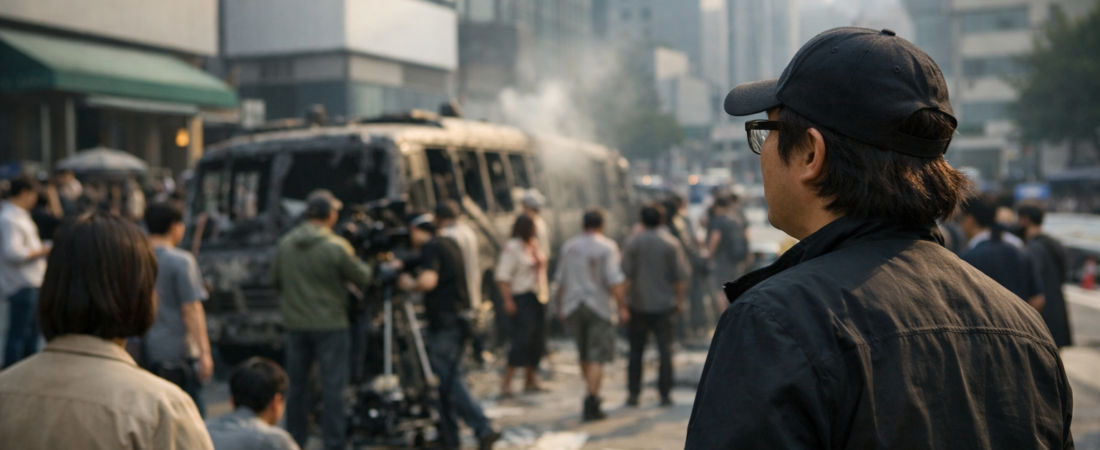
Here’s the logic behind Yeon Sang-ho’s approach. A smaller budget means smaller risk, and smaller risk means fewer outside voices demanding changes to protect their investment. That’s the trade Yeon Sang-ho openly says he’s making.
In interviews, he has stated his goal plainly: find a “new kind of popularity” without commercial interference. Think about what that really means for a filmmaker. Big studio films often come with notes from investors, test screenings, and pressure to soften edgy material.
Low-budget films skip most of that process. Yeon Sang-ho can experiment with tone, structure, and subject matter that a 10-billion-won blockbuster would never allow. You could call it creative liberation through financial restraint, and in an industry obsessed with box office numbers, that’s a quietly radical idea.
This strategy also fits a broader trend. More established Korean directors are turning to smaller projects between major studio commitments. Bong Joon-ho, Park Chan-wook, and now Yeon Sang-ho all show that prestige and small scale aren’t opposites — they can actually feed each other.
AI and the Question of Being Human
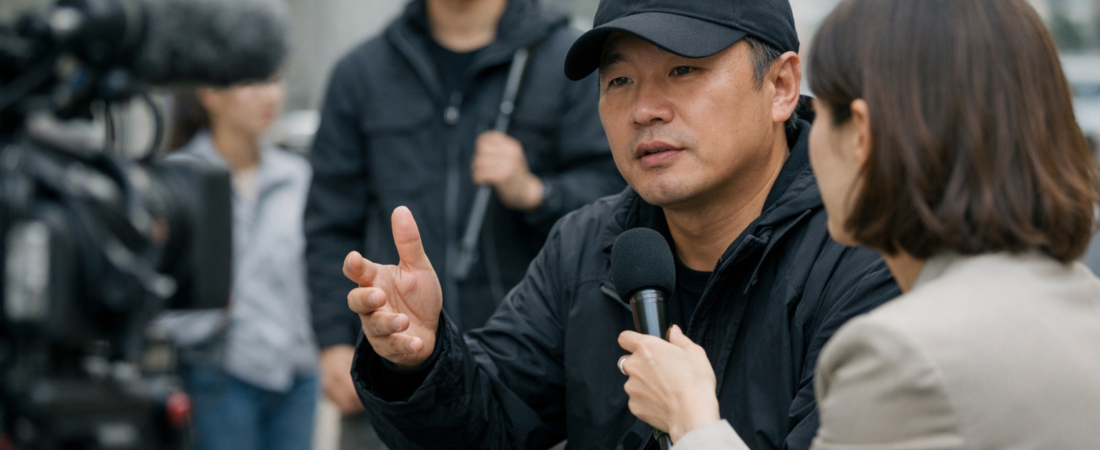
The subject matter of Paradise Lost deserves attention on its own. Yeon Sang-ho uses artificial intelligence as a lens to explore human existence, a theme that feels urgent in 2026. AI isn’t just a plot device here; it’s the mirror the film holds up to its characters.
This isn’t entirely new territory for Yeon Sang-ho. His earlier work, from The Fake to Hellbound, consistently asks what makes people act the way they do under pressure. Paradise Lost simply swaps zombies and cults for algorithms and machines.
Isn’t it worth asking what AI reveals about us that other storytelling tools cannot? Technology forces characters, and audiences, to confront choices stripped of easy excuses. When a machine can imitate human judgment, what’s left that actually makes us human?
That question connects Yeon Sang-ho’s small film to a much larger global conversation. Hollywood, European cinema, and Korean filmmakers alike are racing to process what AI means for identity and labor. You can read more about this growing wave of AI-themed storytelling through outlets like The Korea Herald, which has tracked similar trends across the industry.
What This Means for Korean Cinema’s Future
Yeon Sang-ho’s gamble says something bigger about where Korean film is headed. Box office numbers for mid-budget films have struggled since the pandemic reshaped viewing habits. Streaming platforms now compete directly with theatrical releases for audience attention and investor dollars.
In that environment, a 500-million-won film carries far less financial danger than a 10-billion-won one. If Yeon Sang-ho can prove that cheaper films still draw crowds and critical respect, other directors may follow his lead. That shift could reshape how Korean studios plan their yearly slates.
There’s real tension here worth naming honestly. Smaller budgets often mean less marketing, shorter theatrical runs, and reduced visibility for ambitious films that deserve bigger audiences. Yet that same constraint pushes directors toward sharper scripts and leaner storytelling, since there’s no money to paper over a weak idea with spectacle.
Something similar plays out in how people live, too — we often do our most honest work not when resources are unlimited, but when limits force us to focus on what truly matters. A small life, like a small budget, isn’t automatically a lesser one; it can simply ask different, more pointed questions. The quiet films rarely make headlines, but they sometimes say more about being human than the loudest ones ever could.
Whether Paradise Lost repeats the success of Face remains uncertain. But Yeon Sang-ho’s willingness to risk reputation for creative freedom says something valuable about where serious filmmakers are heading. For global audiences, this matters because it signals that Korea’s film industry isn’t just chasing blockbusters — it’s also nurturing risk-taking auteur work that could travel internationally, much like Parasite once did from a smaller starting point.
As Korean cinema navigates an uncertain box office landscape, directors like Yeon Sang-ho are quietly redefining what success looks like. Do you think small-budget experiments like this can reshape how we measure a film’s true impact?
AI-Generated Photorealistic Image — All people, scenes, and details in this image are entirely AI-generated and fictional. Not a real photograph of an actual person or event. 이 이미지는 AI로 생성된 가상 이미지입니다.



Leave a Reply