Table of Contents
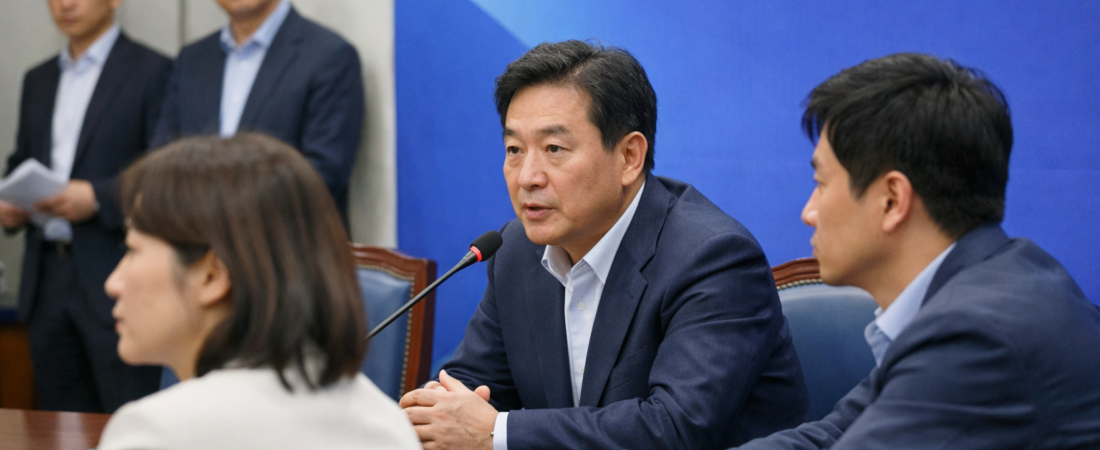
Can a rising deposit fee quietly shut young politicians out of the race? That question sits at the center of a fresh debate inside the Democratic Party of Korea. Supreme Council candidate Choi Min-hee just weighed in, and her comments reveal a lot about where the party stands today.
This isn’t just about numbers on a form. It’s about who gets to run, who gets left behind, and how the Democratic Party of Korea defines fairness inside its own ranks. Let’s break down what she said and why it matters.
What Choi Min-hee Said About Convention Fees
Choi Min-hee didn’t dodge the tough question. She explained that the deposit hike for the party’s national convention comes from two simple factors. Party membership has grown, and real operating costs have risen too.
That sounds reasonable on the surface, doesn’t it? But Choi added an important caveat. She said the higher fee could place a heavy burden on younger candidates trying to enter politics for the first time.
This admission matters. It shows Choi isn’t just defending party leadership blindly. She’s acknowledging a real cost to fairness, even while explaining the logic behind it.
Choi also addressed comments from the president regarding the deposit issue. She framed those remarks as opinion, not interference. According to her, offering a view is different from directing internal party affairs, a distinction the Democratic Party of Korea has debated before during past leadership contests.
Where do you draw that line yourself? Is presidential commentary on party matters ever truly neutral? These are questions Korean political observers keep asking, and Choi’s answer suggests she wants the party to move forward without dwelling on it.
Inside the Democratic Party of Korea’s Leadership Race
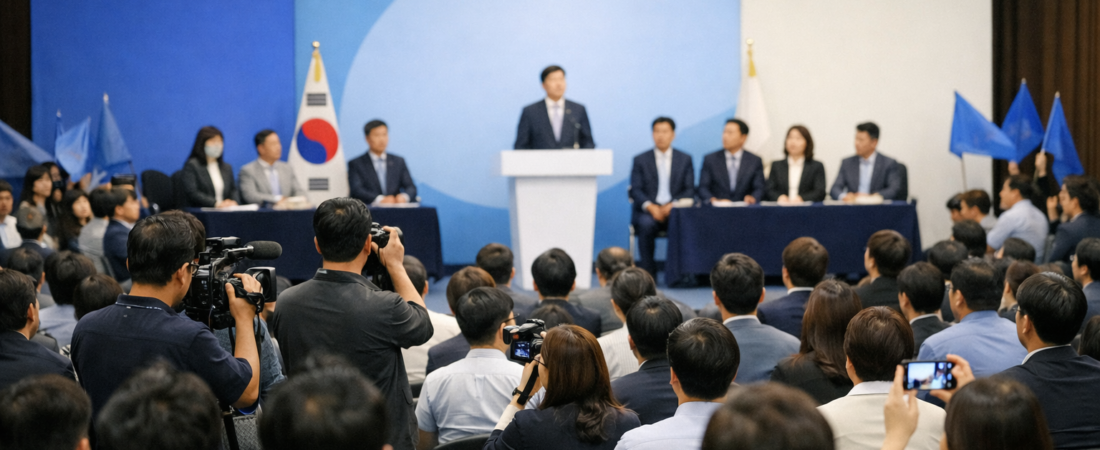
Every major Korean party holds a convention to choose its next leader and Supreme Council. The Democratic Party of Korea is no exception. This year’s race carries extra weight, though, given the party’s dominant position in the National Assembly.
Choi insisted the leadership race should focus on two things. First, livelihood reform, meaning policies that directly help ordinary Korean households. Second, a party culture centered on members rather than factional politics.
She called this approach “jeong-gong-beop,” a straightforward, no-tricks method of winning support. In plain English, that means competing on substance, not spectacle. It’s a phrase you’ll likely hear more from party insiders as the convention approaches.
Choi also explained her support for Jung Chung-rae, a fellow candidate in the race. Her reasoning centered on two traits: honesty and a clear pledge not to run for president. That second point deserves attention.
Why would refusing future presidential ambitions matter so much? Because it signals to party members that the leader will focus entirely on party duties, not personal advancement. This kind of pledge has become a trust marker inside the Democratic Party of Korea in recent years.
For readers unfamiliar with Korean party structure, the party leader role differs from a lawmaker’s seat. The leader sets legislative priorities, manages internal discipline, and represents the party publicly. It’s a position with real influence over how the Democratic Party of Korea shapes national policy debates.
Money, Youth, and Fairness in Party Politics
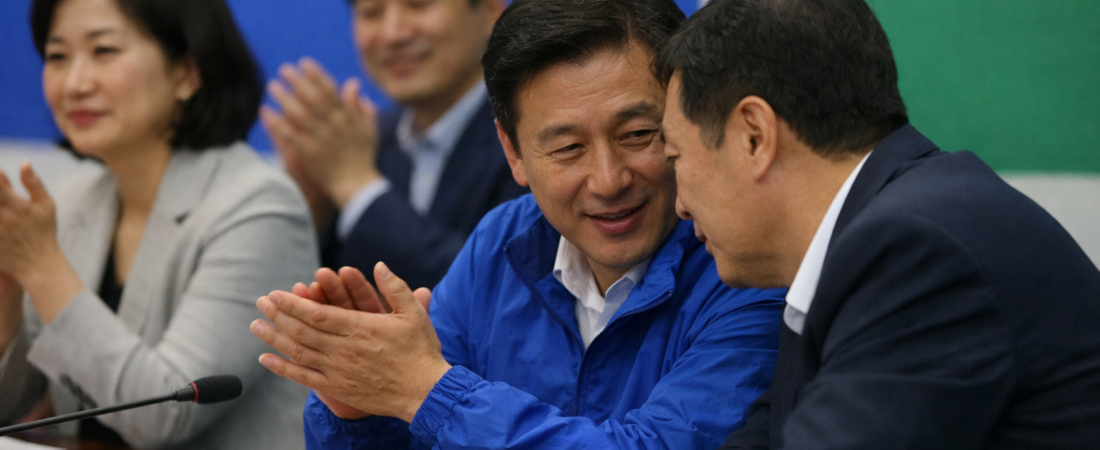
Let’s talk about the deposit fee itself. In Korean party conventions, candidates pay a registration deposit to run for leadership positions. It’s meant to filter out non-serious candidates and cover administrative costs.
But when fees rise sharply, a side effect emerges. Younger candidates, often with fewer financial resources, face a much steeper barrier to entry. Choi’s comment about needing “consideration” for youth candidates points directly at this tension.
Think about it this way. If only wealthy or well-connected politicians can afford to run, how representative does that leadership really become? This isn’t a uniquely Korean problem, but it hits especially hard inside a party that campaigns heavily on generational renewal.
The Democratic Party of Korea has publicly emphasized recruiting younger voices for years. Yet financial barriers like convention deposits can undercut that stated goal in practice. Choi seems aware of this contradiction, which is likely why she flagged it rather than simply defending the fee increase outright.
Beyond the fee debate, Choi also touched on two sensitive internal issues: fears of a candidate nomination purge and disagreements over prosecution reform. On both, her message was consistent. She said the party must honor its official platform and public promises to maintain member trust.
That’s a notable stance. In politics, promises are easy to make and hard to keep, especially when internal factions pull in different directions. Choi’s insistence on keeping commitments suggests she views party unity as fragile right now, something worth protecting through consistent action rather than shifting rhetoric.
Readers outside Korea might wonder why a nomination process could trigger the word “purge” at all. In Korean political culture, candidate selection ahead of elections often involves replacing incumbent lawmakers who fall out of favor with party leadership. Critics call aggressive versions of this process a “purge,” arguing it silences internal dissent. Supporters counter that renewal keeps the party responsive to voters. This tension has shaped multiple election cycles for the Democratic Party of Korea, and it continues to surface whenever leadership races heat up.
What This Debate Means for the Democratic Party of Korea’s Future
So why should any of this matter to readers outside Korea? Party leadership races shape national policy directions long before international headlines notice. The Democratic Party of Korea currently holds significant legislative power, making its internal debates a preview of future government action.
Choi’s comments reveal a party wrestling with growth pains. More members and rising costs are signs of political strength. But strength without inclusion risks alienating exactly the younger generation the party claims to champion.
This tension isn’t new in democratic politics anywhere. Established parties worldwide face similar questions about balancing financial sustainability with open access. For readers following Korean politics through outlets like Yonhap News Agency, this convention race offers a useful case study in how modern parties handle internal reform pressure.
Looking ahead, expect the Democratic Party of Korea to face continued scrutiny over its deposit policy. Will leadership adjust fees for younger candidates before the next convention? That remains an open question, and Choi’s comments suggest even senior party figures see room for change.
The bigger story here isn’t really about deposit money. It’s about whether Korea’s most powerful political party can balance discipline with openness. Trust, as Choi herself emphasized, depends on keeping promises, whether about policy platforms or generational opportunity.
What do you think about the Democratic Party of Korea’s approach to balancing party discipline with fair access for younger candidates?
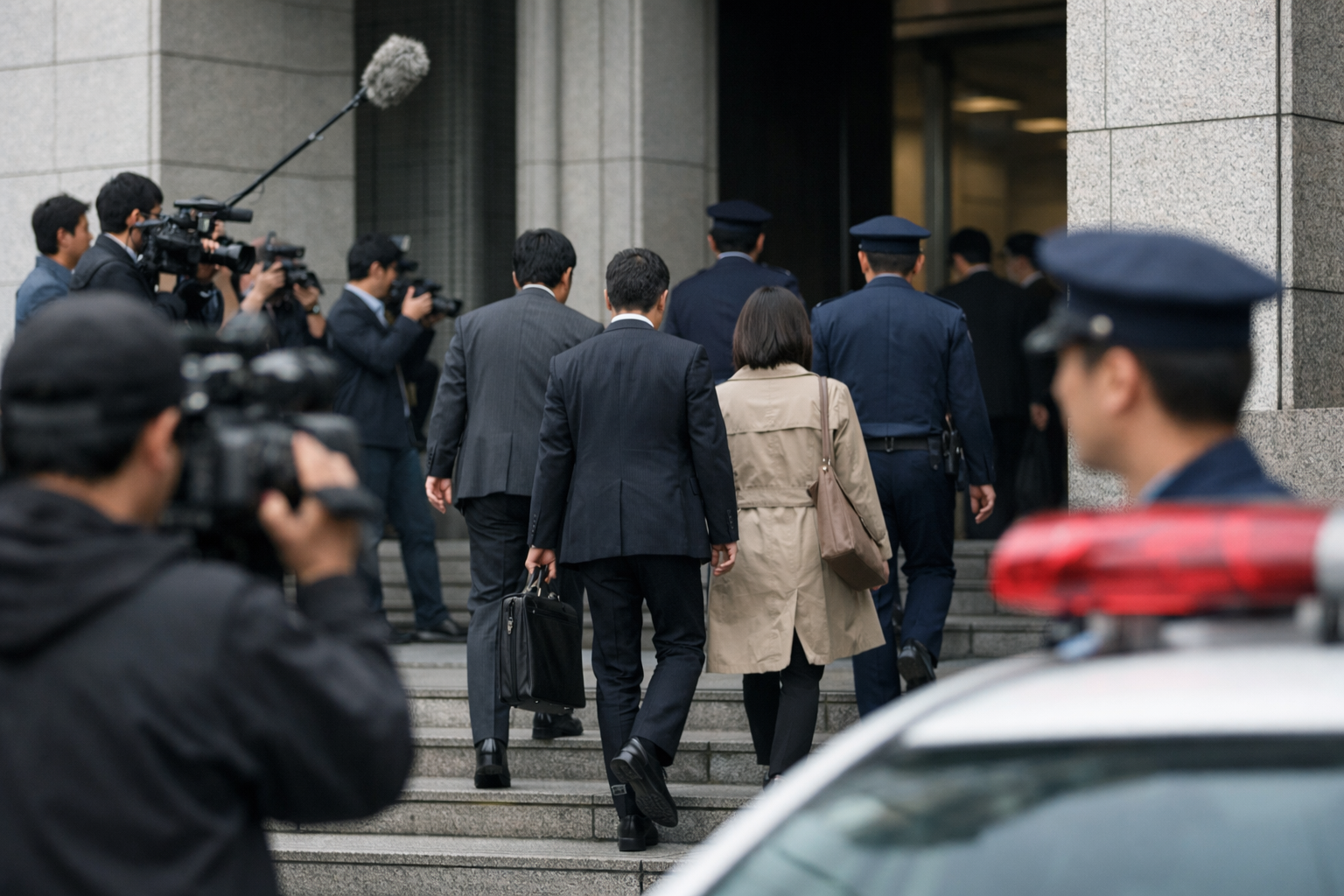
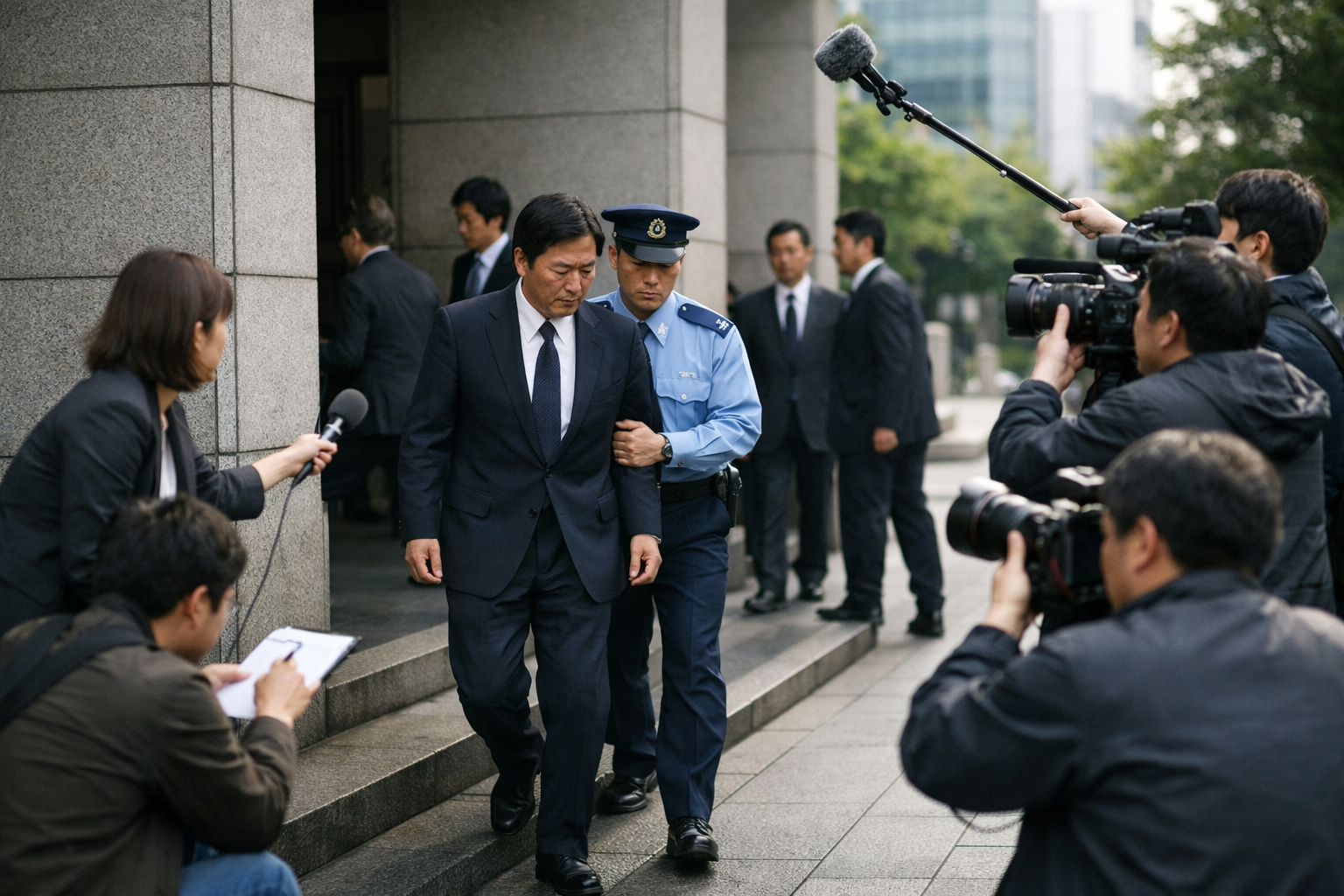
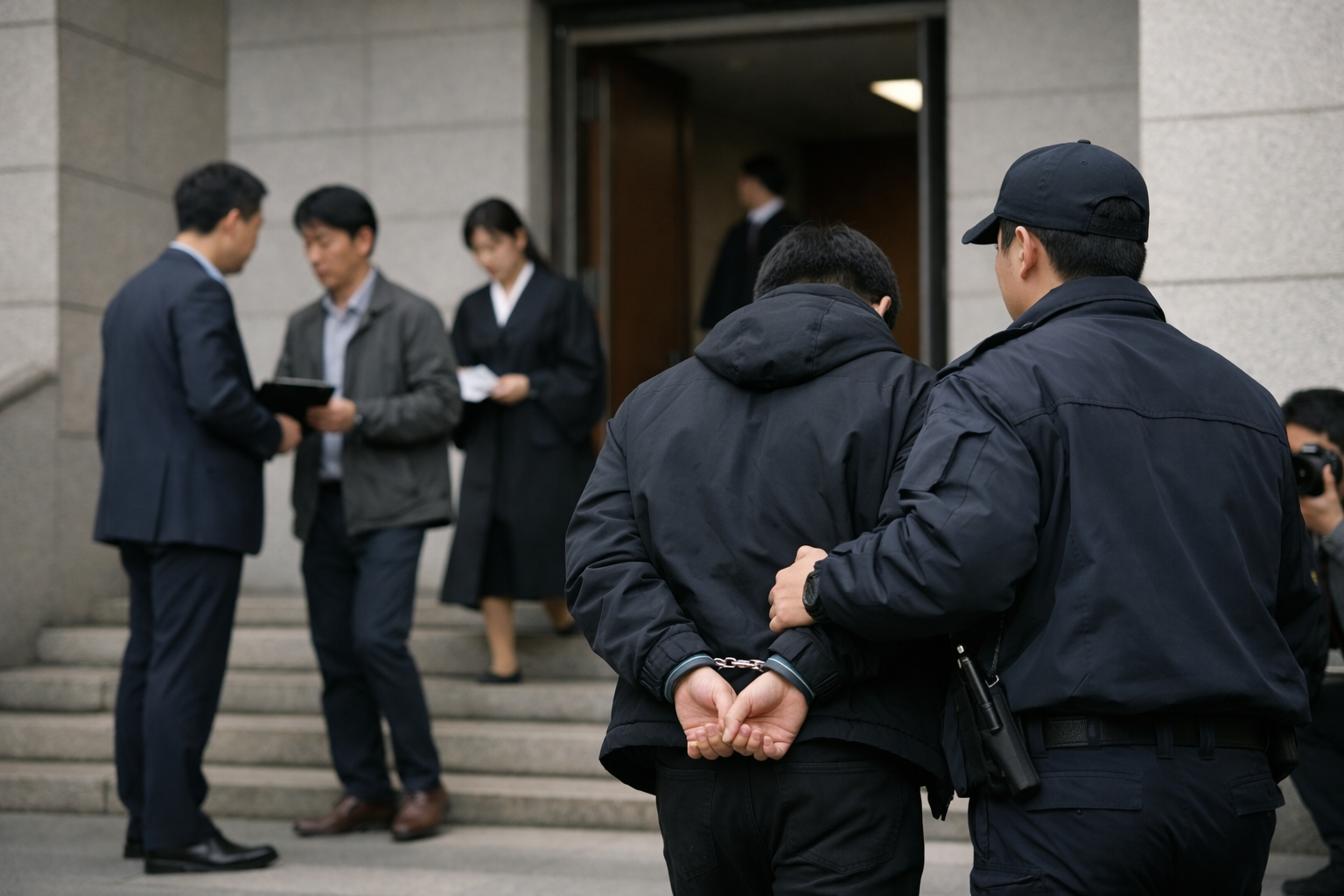
AI-Generated Photorealistic Image — All people, scenes, and details in this image are entirely AI-generated and fictional. Not a real photograph of an actual person or event. 이 이미지는 AI로 생성된 가상 이미지입니다.
Leave a Reply