Table of Contents
Can a small silk tassel change how the world sees Korea? First Lady Kim Hye-kyung seems to think so.
She recently joined a group of foreign youth and social media influencers at a hands-on craft session in Seoul. The activity? Making norigae, a traditional Korean ornament with centuries of history behind it. Let’s unpack why this simple event carries bigger meaning than it first appears.
A First Lady’s Hands-On Cultural Moment
Kim Hye-kyung visited Mugyewon, a traditional hanok complex in Jongno-gu, Seoul. There, she sat alongside young foreign residents and influencers to make norigae by hand. This wasn’t a photo-op from a distance — Kim Hye-kyung actually tied the knots and threaded the beads herself.
Why does that matter? Because cultural diplomacy works best when leaders show up, not just show face. Kim Hye-kyung’s willingness to sit on the floor and craft alongside young foreigners sends a clear signal.
Korea wants its traditions understood from the inside, not just observed from outside. That’s a subtle but important distinction in how a country presents its heritage abroad.
The event brought together people who already have influence — content creators with international followings. Their presence wasn’t accidental. Traditional craft only survives if new generations, both Korean and non-Korean, find ways to make it relevant again.
What Is Norigae? Korea’s Tiny Masterpiece
Norigae is a decorative accessory traditionally worn attached to a hanbok, Korea’s traditional dress. It usually hangs from the goreum, the ribbon tie at the chest of a hanbok jacket. Small, but never simple — that’s the best way to describe it.
Each norigae combines silk knotting, called maedeup, with a central ornament made of jade, coral, or metal. Tassels flow from the bottom, often dyed in vivid colors like red, blue, or gold. Historically, norigae signaled a woman’s social status, marital status, and even her wishes for good fortune.
Think of it as jewelry that tells a story without saying a word. During the Joseon Dynasty, noblewomen wore elaborate norigae as both fashion and quiet communication. A butterfly shape might symbolize love, while a gourd shape wished for abundance and health.
Today, few people wear norigae daily. But its craftsmanship — the precise knots, the balanced tassels — represents a design philosophy still admired by modern textile artists.
That’s exactly why events like the one Kim Hye-kyung attended matter. They keep a nearly-forgotten skill alive by putting it directly into new hands, including international ones.
Mugyewon: A Hanok Space Built for Sharing Tradition
Mugyewon isn’t a random location. It’s a restored hanok — a traditional Korean house — located in central Seoul’s historic Jongno-gu district. The space now functions as a cultural venue dedicated to introducing traditional Korean crafts and lifestyle to both locals and international visitors.
Choosing Mugyewon for this event wasn’t a coincidence. Jongno-gu sits at the heart of Seoul’s old royal district, close to palaces and centuries-old neighborhoods. Hosting a norigae workshop there connects the craft to its original historical setting, rather than presenting it in a sterile classroom.
For foreign visitors, this context matters enormously. Sitting inside a real hanok, surrounded by wooden beams and paper doors, changes how a craft feels. It’s the difference between reading about Korean tradition and actually stepping inside it.
Kim Hye-kyung’s decision to hold this event at Mugyewon reflects a broader trend in Korean cultural promotion. Officials increasingly favor authentic, immersive settings over formal presentations. If you’ve ever taken a hands-on cooking class instead of watching a cooking show, you already understand why this approach works better.
Why Kim Hye-kyung’s Visit Matters for Korea’s Cultural Diplomacy
Here’s the real question worth asking: why send a First Lady to a craft workshop instead of a formal cultural conference? The answer lies in how cultural diplomacy has changed. Formal speeches rarely go viral, but Kim Hye-kyung sitting cross-legged making a norigae with an influencer? That image travels far on social media.
Influencers attended for a reason. Their followers span dozens of countries, and a single post can reach audiences that no embassy brochure ever could. Kim Hye-kyung’s team clearly understands this shift in how cultural messages now spread globally.
After finishing their norigae, participants discussed something bigger than the craft itself. They talked about how traditional Korean crafts could adapt for modern, global markets. Should norigae become fashion accessories sold internationally? Could the maedeup knotting technique inspire modern jewelry design abroad? These aren’t small questions — they touch on how Korea plans to export its cultural heritage in the coming years.
This isn’t the first time a Korean First Lady has used soft power to promote heritage. Previous First Ladies have hosted hanbok fashion shows and traditional tea ceremonies for visiting diplomats. But this event feels different because it centered on ordinary young people, not diplomats or dignitaries.
That choice reflects something important about modern cultural diplomacy. Reaching everyday global audiences, especially younger ones active on social media, may matter more long-term than reaching a handful of officials. Korea’s cultural exports — from K-pop to Korean dramas — have already proven that grassroots appeal outperforms top-down promotion.
You can read more coverage of Korean cultural diplomacy events like this one through Korean Culture News, which regularly documents how Korea presents its heritage abroad.
Kim Hye-kyung’s participation also raises a bigger cultural preservation question. Traditional crafts like norigae-making require years of apprenticeship to master fully. Without new practitioners — Korean or international — these skills risk disappearing within a generation or two.
Events led by figures like Kim Hye-kyung don’t just create good publicity. They create real entry points for people who might otherwise never encounter traditional Korean craft at all. Isn’t that exactly the kind of cultural bridge Korea needs right now, as its global cultural influence keeps expanding?
Looking ahead, expect more events pairing Korean officials with international content creators. Kim Hye-kyung’s Mugyewon visit likely signals a template other cultural institutions will follow. Combining hands-on tradition with modern digital reach seems to be Korea’s new formula for cultural diplomacy.
So here’s a question worth sitting with: could a hand-tied silk knot really shape how millions of people around the world understand Korean culture? Based on what Kim Hye-kyung’s visit represents, the answer might be closer to yes than you’d expect.
What do you think — can small, hands-on cultural experiences like this one do more for a country’s global image than large-scale official ceremonies?
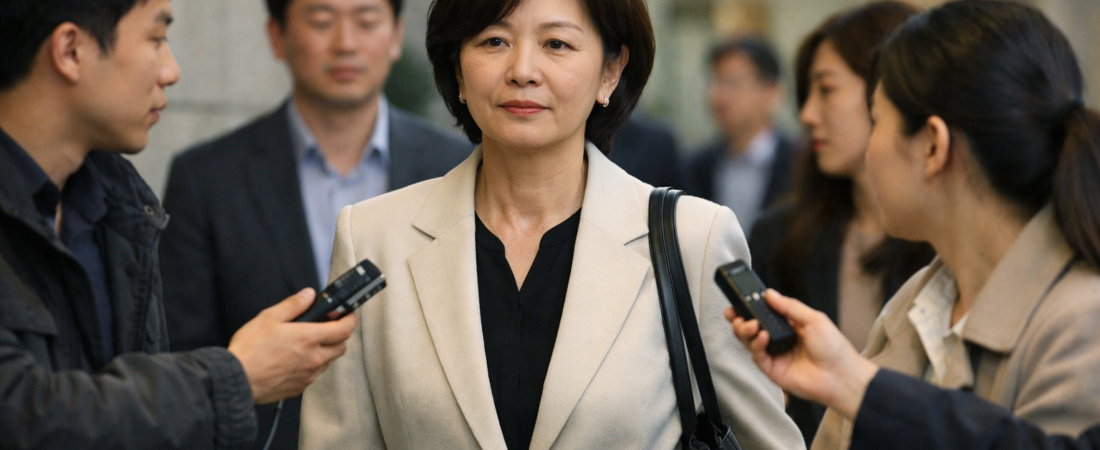
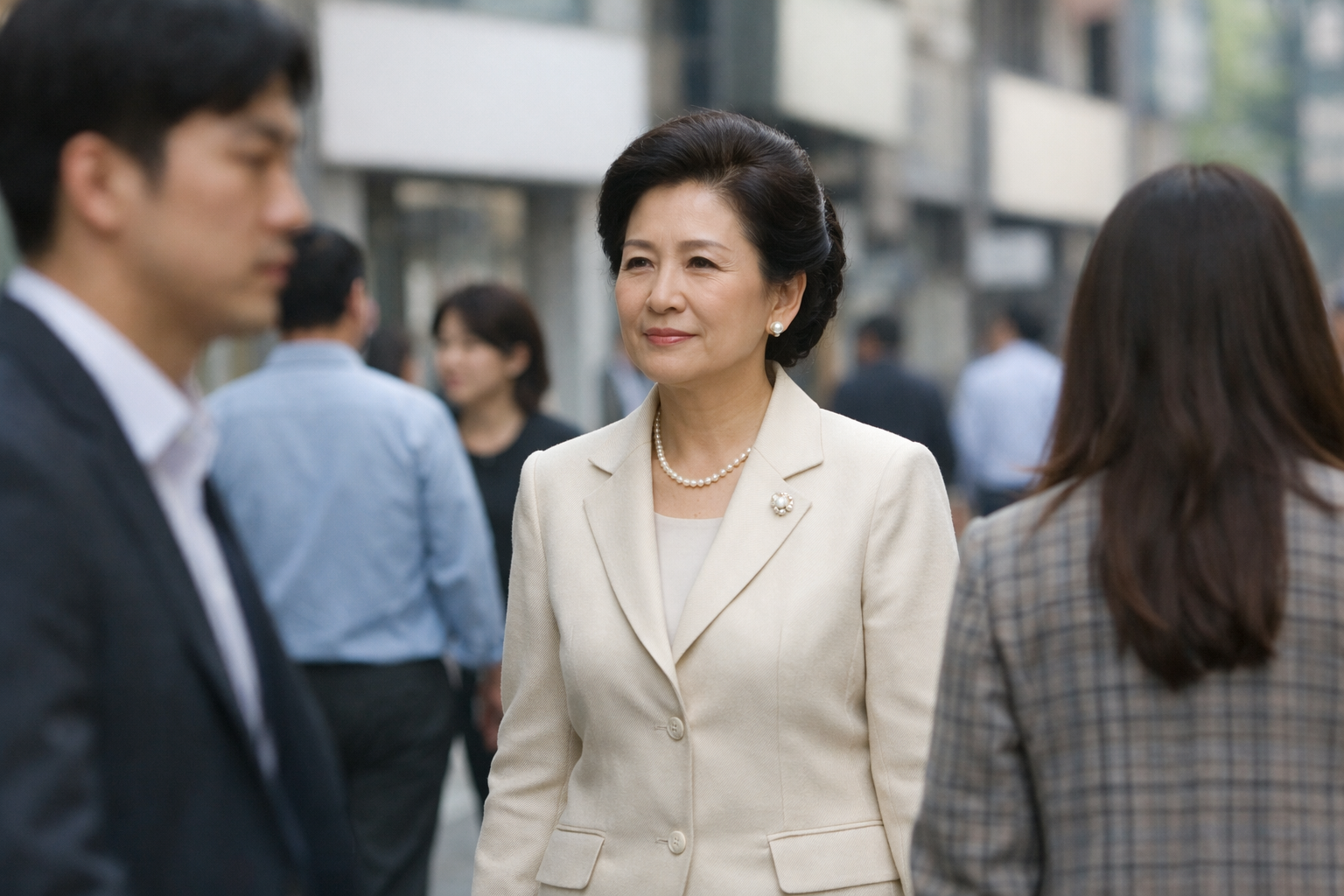
AI-Generated Photorealistic Image — All people, scenes, and details in this image are entirely AI-generated and fictional. Not a real photograph of an actual person or event. 이 이미지는 AI로 생성된 가상 이미지입니다.

Leave a Reply