Table of Contents
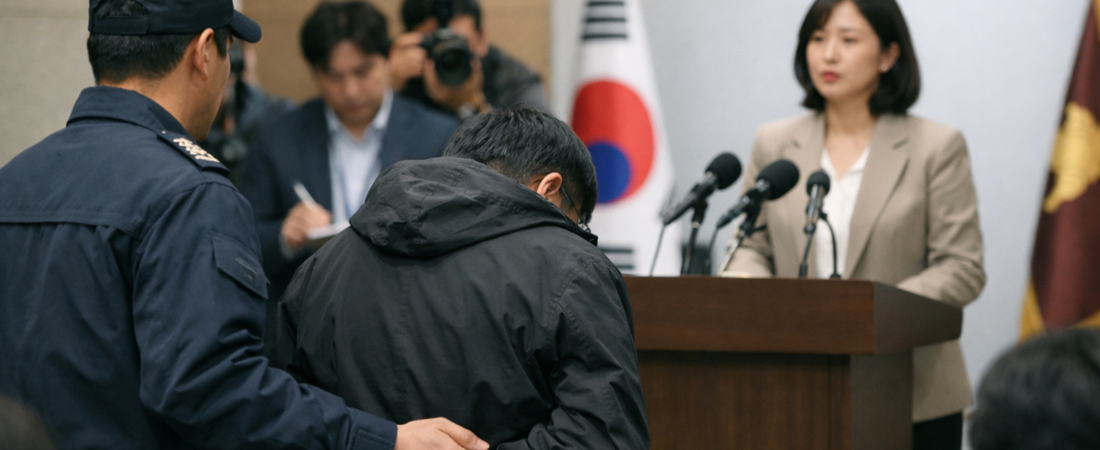
Right now in Korea, lawmakers and legal experts are buzzing about a document that arrived at the National Assembly just one hour before a major vote. The bill in question? The Criminal Procedure Act amendment, passed on July 31, 2026. It expands the grounds courts can use to dismiss a prosecution entirely — and the timing of the review process behind it is raising real questions.
This story broke through investigative reporting from SBS, and it reveals something many voters rarely see: how legislative sausage actually gets made. Did lawmakers get the information they needed before voting? As of this week, that question is dominating political conversation inside the National Assembly.
Inside Korea’s New Criminal Procedure Act Amendment
Let’s start with what actually changed. The Criminal Procedure Act amendment adds two new grounds for what’s called “prosecution dismissal” — a court ruling that throws out a criminal case before it even goes to trial. These new grounds cover prosecutions built on “seriously unlawful investigations” and cases where prosecutors clearly overstepped their discretionary power.
Why does this matter? Because it opens a legal door that didn’t exist before. Kim Seung-won, the Democratic Party lawmaker who chairs the relevant subcommittee at the National Assembly’s Legislation and Judiciary Committee, put it plainly during deliberations on July 15. He said the change would bring “significant change to trials,” and he even floated the possibility that evidence obtained improperly could eventually void an entire case.
That’s not a small shift. Courts across Korea will now have broader authority to reject prosecutions they judge as procedurally tainted or excessive. Supporters say this protects defendants from prosecutorial overreach. Critics worry it could create uncertainty for how future cases move through the system — and that’s exactly why lawmakers asked the courts for input in the first place.
The Review Report That Arrived Too Late
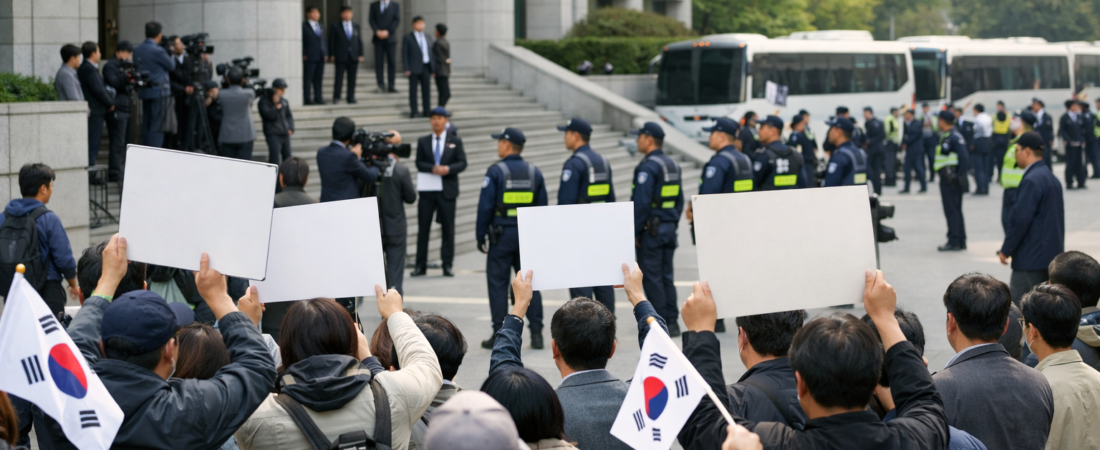
Here’s where the story gets complicated. On July 15, Kim Seung-won formally asked Gi U-jong, deputy head of the National Court Administration, to research how this Criminal Procedure Act amendment would reshape trials. He wanted a written report by early the following week, so lawmakers could weigh it before finalizing the bill.
That deadline was July 20. The actual report — titled “Review Concerning the Legalization of Prosecutorial Power Abuse” — didn’t reach the National Assembly until 3:38 p.m. on July 31. The bill passed roughly one hour later.
In other words, the very analysis lawmakers said they needed to understand “significant change to trials” never made it into the decision-making process. You have to ask: what was the point of requesting it at all? The report itself, once SBS obtained it, turned out to contain real substance — case examples of recognized and unrecognized prosecutorial abuse, plus a cautious note that the amendment’s pros and cons should be weighed carefully as a matter of legislative policy.
Inside the National Assembly’s Fast-Track Process
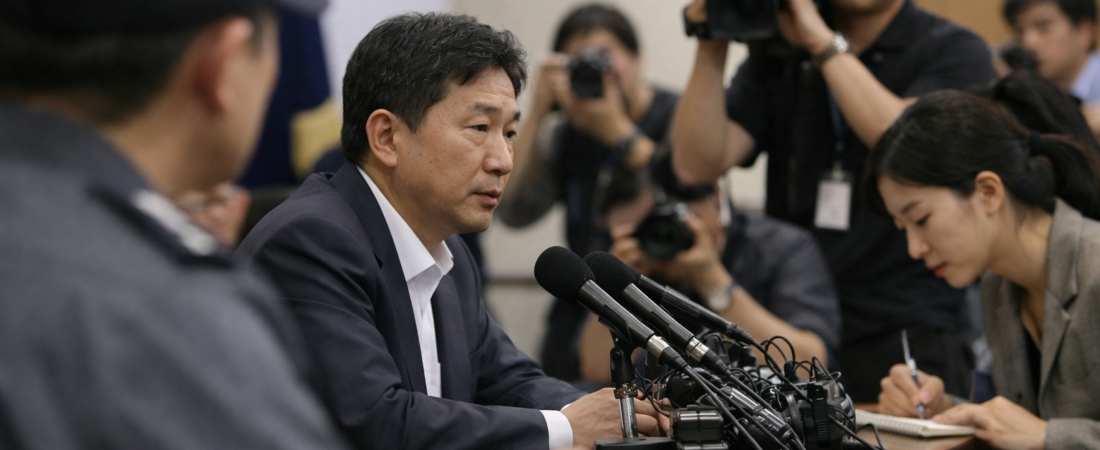
So how did a report meant to inform major legislation slip through the cracks so completely? According to subcommittee meeting records, the Criminal Procedure Act amendment moved through nine separate subcommittee sessions between its introduction and final passage. Not once during those sessions did any lawmaker ask whether the requested court review had actually arrived.
That’s a striking gap in oversight. Nine meetings, one formal request for expert analysis, and zero follow-up questions about its status. You’d expect at least someone to check a box that important — wouldn’t you?
This detail matters beyond this single bill. It points to a broader pattern in how fast-moving legislation sometimes outpaces the very review processes designed to catch problems early. For readers following Korean politics from abroad, this is a familiar story with a local flavor: procedural requests made in good faith, then quietly forgotten once political momentum takes over.
There’s also a secondary controversy tied to this reporting. Kim Seung-won’s office publicly accused SBS of “distorting” its coverage of the subcommittee discussions, calling the report a “patchwork” of quotes taken out of context. But the remarks attributed to Kim were pulled directly from official subcommittee minutes — minutes that are publicly available on the National Assembly’s own website. You can read the original SBS coverage of these developments through SBS News, which first uncovered the submission timeline.
What This Means for Korea’s Justice System
Zoom out, and this episode says something important about how legislative accountability works in Korea. The Criminal Procedure Act amendment itself may prove to be a meaningful reform — giving courts more tools to reject prosecutions built on improper investigations sounds like a reasonable check on power. But good policy still depends on a good process, and that process clearly broke down here.
What happens next matters. Courts will now need to interpret these new dismissal grounds in real cases, without the benefit of the detailed analysis lawmakers themselves requested. Legal scholars will likely debate how broadly “seriously unlawful investigation” gets applied, and defense attorneys will test its limits quickly.
For everyday readers, this case offers a useful lesson in how democratic institutions actually function — imperfectly, under deadline pressure, sometimes with good intentions outrunning good execution. Korea’s National Assembly isn’t unique in facing this tension between speed and thoroughness; legislatures everywhere wrestle with it. What sets this moment apart is how clearly documented the gap became, thanks to persistent reporting and publicly accessible meeting records.
Will future amendments get the careful review they deserve, or will political timelines keep winning out? That’s the real question this story leaves us with. What do you think — should lawmakers be required to wait for expert review before voting on major legal reforms like the Criminal Procedure Act amendment?
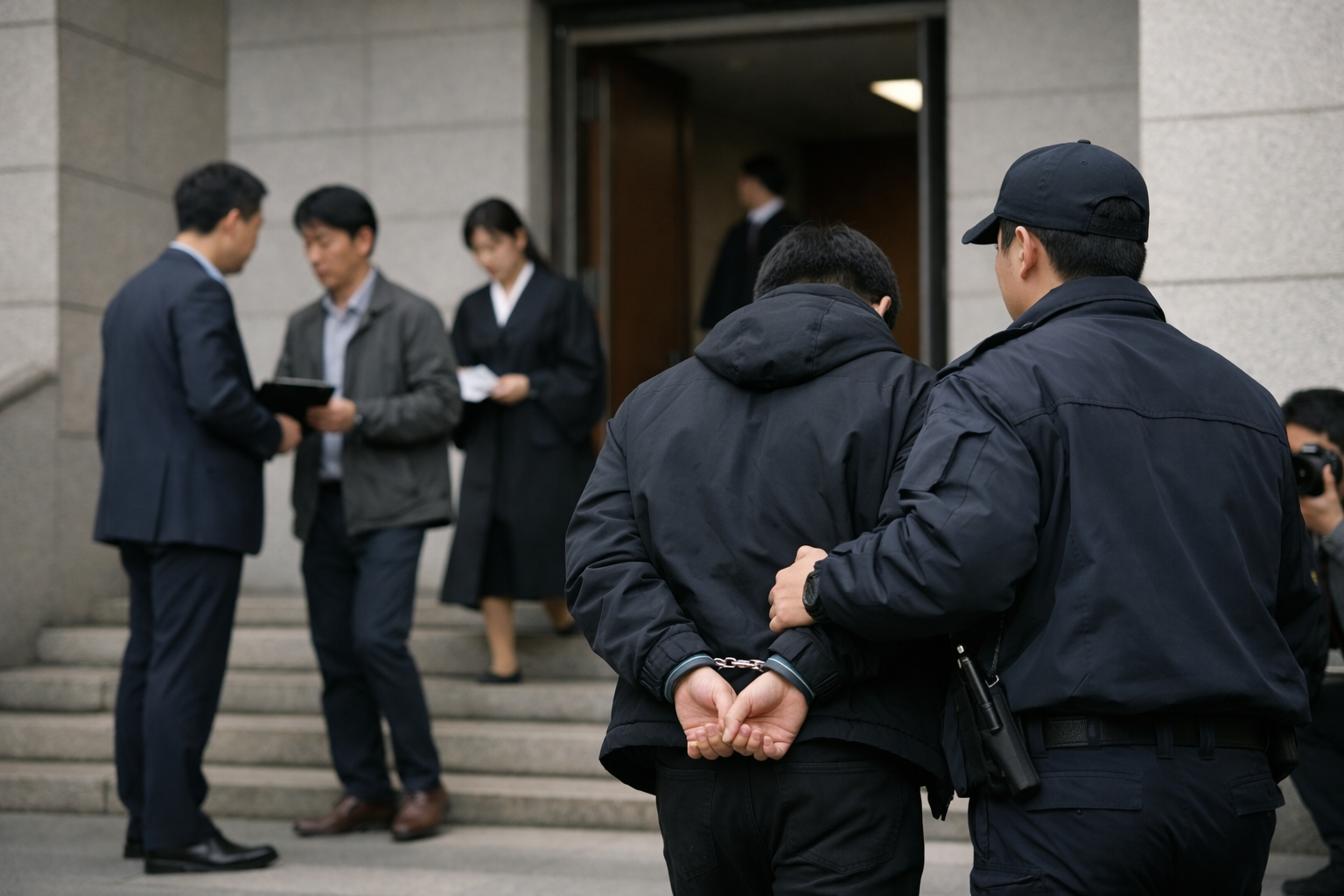
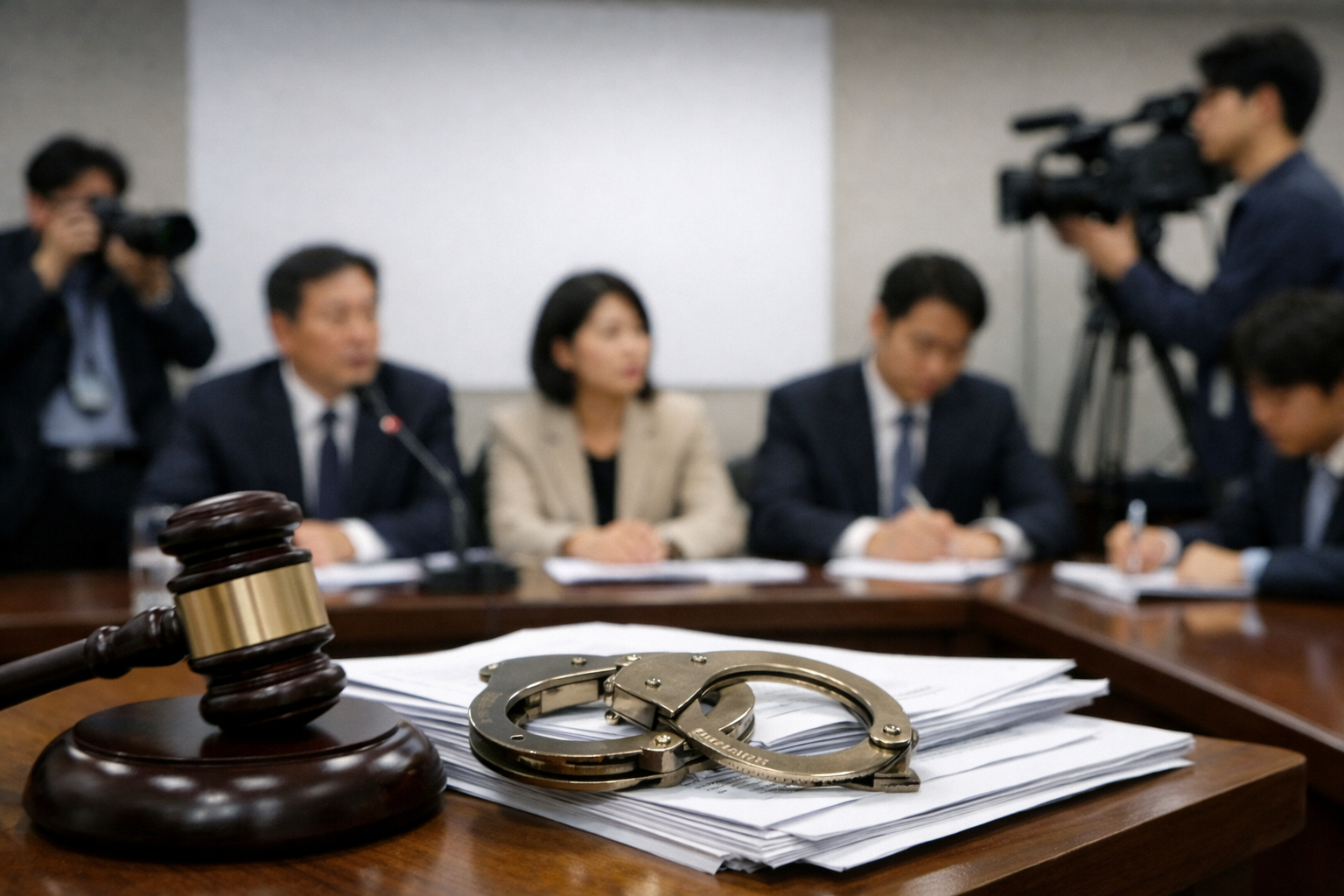
AI-Generated Photorealistic Image — All people, scenes, and details in this image are entirely AI-generated and fictional. Not a real photograph of an actual person or event. 이 이미지는 AI로 생성된 가상 이미지입니다.
Leave a Reply