Table of Contents
Right now in Korea, a quiet scandal is unfolding inside the National Assembly. Lawmakers just passed a major Criminal Procedure Act amendment—but the expert review they requested arrived only one hour before the final vote. Sound rushed? That’s exactly what it was.
This isn’t a minor paperwork mix-up. The Criminal Procedure Act amendment changes how Korean courts can dismiss criminal cases, and a top court official warned it could bring “tremendous change” to trials. So why did the review meant to guide that decision show up after the debate was basically over?
What Happened: The Criminal Procedure Act Amendment Timeline
Let’s rewind to July 15. The National Assembly’s Legislation and Judiciary Committee held its third subcommittee session on the Criminal Procedure Act amendment.
Subcommittee chair Kim Seung-won, a Democratic Party of Korea lawmaker, told the room the bill would bring “a tremendous change to trials.” He then turned to Ki Woo-jong, deputy minister at the National Court Administration, and asked for a detailed report.
Kim wanted to know how trials would change, what problems might follow, and what safeguards were needed. He asked for the report by early the following week—meaning around July 20.
That deadline came and went. According to SBS, which obtained the National Court Administration’s document titled “Review on the Legislation of Prosecutorial Discretion Abuse,” the report wasn’t submitted until 3:38 p.m. on July 31.
The Criminal Procedure Act amendment passed the full National Assembly about one hour later that same afternoon. In other words, the very research lawmakers said they needed never made it into the room in time to matter.
Why This Criminal Procedure Act Amendment Reshapes Korean Courts
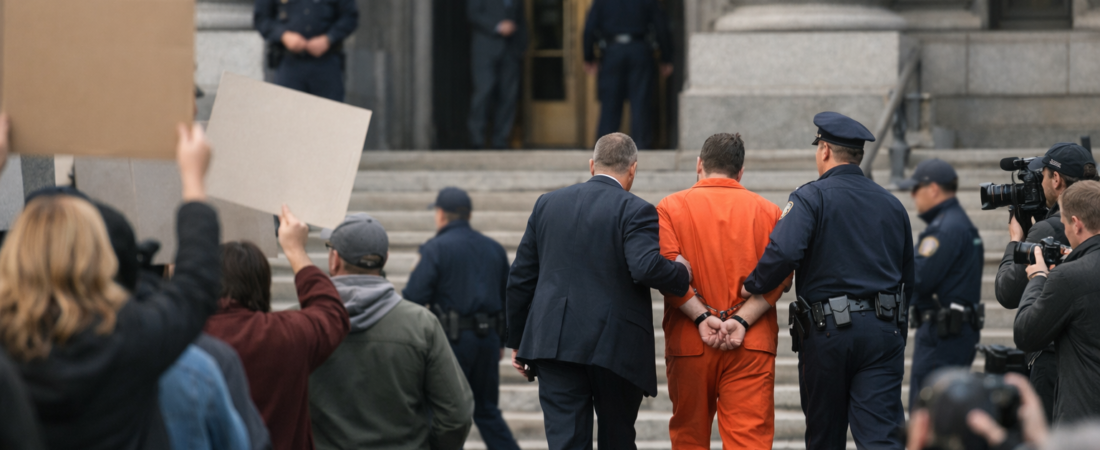
To understand why this delay matters, you need to know what the bill actually does. The Criminal Procedure Act amendment expands the grounds on which a court can dismiss a prosecution outright.
Two new categories were added: prosecutions built on “seriously illegal investigations,” and prosecutions that “significantly deviate from prosecutorial discretion.” Kim himself noted during committee discussion that this could open the door to dismissing cases built on “contaminated evidence.”
That’s a real shift in how criminal justice works in Korea. Prosecutors have traditionally held wide discretion over what cases to bring and how to build them, a legacy shaped by decades of centralized prosecutorial power.
Loosening that discretion sounds like a win for defendants’ rights, and in many ways it could be. But when a change this significant moves through committee, courts and legal scholars usually want time to model the ripple effects before the ink dries.
Think of it like renovating a building’s foundation while people are still living inside. You want the engineers’ report before you start knocking down walls, not after the wrecking ball has already swung.
The National Court Administration’s own analysis, once it finally arrived, cataloged past cases where prosecutorial abuse was recognized and where it wasn’t. It concluded the amendment was largely borrowing language from existing case law but stressed that lawmakers needed to weigh the pros and cons carefully as a matter of policy.
That’s a nuanced, cautious position—the kind of input a legislature should want on hand before voting, not after. You can read more background on Korea’s legislative review process through SBS News, which broke this story.
The One-Hour Gap: Legislative Oversight Under Scrutiny
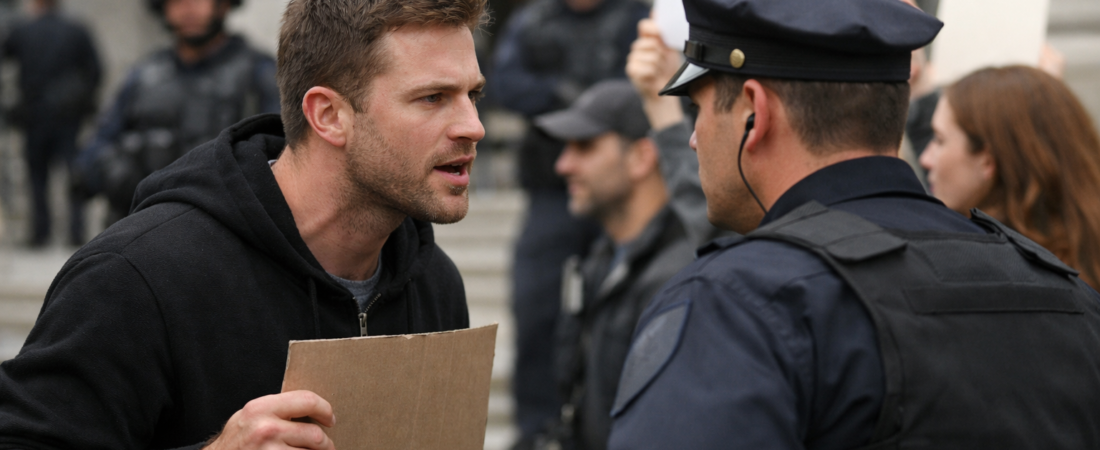
Here’s the part that should give any reader pause. Between the third and ninth subcommittee sessions on the Criminal Procedure Act amendment, no lawmaker appears to have asked whether the requested report had even arrived.
Not once. Meeting minutes reviewed by SBS show the request was made, logged, and then simply left hanging while the bill kept moving forward through six more rounds of discussion.
Doesn’t that raise an obvious question? If a committee chair calls a change “tremendous” and formally requests expert analysis, shouldn’t someone in the room follow up before final passage?
This is where legislative process and political accountability intersect. A request for review isn’t a courtesy—it’s supposed to be a working part of how complex laws get shaped before they become binding.
When that step becomes symbolic rather than functional, the entire committee process risks becoming a formality rather than genuine deliberation. The Criminal Procedure Act amendment isn’t the first bill to slip through this kind of gap, but the timing here is unusually stark.
There’s also a secondary dispute worth noting. Kim’s office reportedly accused SBS on social media of “cherry-picking” his committee remarks to make the story look worse than it was.
But the remarks in question are drawn directly from the National Assembly’s own published meeting minutes, publicly available for anyone to check. That detail matters, because it shows the disagreement here isn’t really about what was said—it’s about how the process unfolded around the Criminal Procedure Act amendment.
What This Means for Korea’s Democracy Going Forward
Why should readers outside Korea care about one bill’s paperwork timeline? Because this story is really about something universal: how democracies balance speed with scrutiny.
Every legislature, from Seoul to Washington to London, faces the same tension. Move too slowly, and urgent problems go unaddressed; move too fast, and expert input gets sidelined right when it’s needed most.
Korea’s National Assembly has been working to strengthen its committee review procedures in recent years, adding more subcommittee sessions and formal request mechanisms like the one used here. This case shows that having the mechanism isn’t the same as having it actually work as intended.
The Criminal Procedure Act amendment is now law, changes to Korean trial procedure and prosecutorial discretion are coming, and the review meant to guide lawmakers through those changes arrived far too late to shape a single vote. That’s a hard fact, and it deserves honest scrutiny rather than spin from either side.
At the same time, this episode also shows something encouraging: independent reporting caught the gap, published the minutes, and let readers judge the record for themselves. That kind of transparency is exactly what allows a democratic system to correct itself over time, even when individual committee sessions fall short.
Going forward, expect more attention on how Korea’s National Assembly handles technical review requests tied to major bills like this Criminal Procedure Act amendment. Lawmakers, court officials, and reporters will likely watch this exact kind of timing gap much more closely next time.
What do you think—should legislatures be required to pause a final vote if requested expert review hasn’t arrived yet?
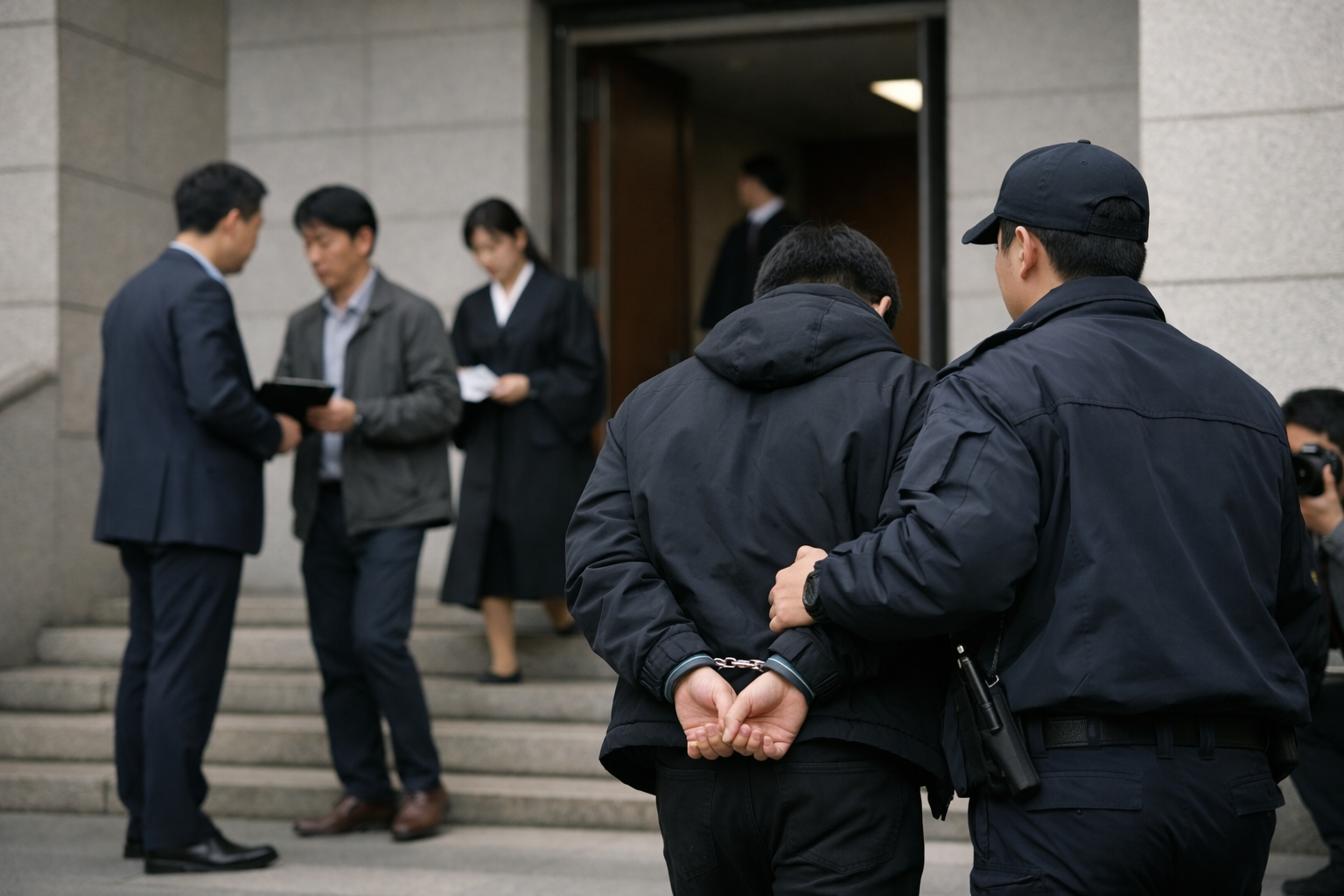
AI-Generated Photorealistic Image — All people, scenes, and details in this image are entirely AI-generated and fictional. Not a real photograph of an actual person or event. 이 이미지는 AI로 생성된 가상 이미지입니다.
Leave a Reply