Table of Contents
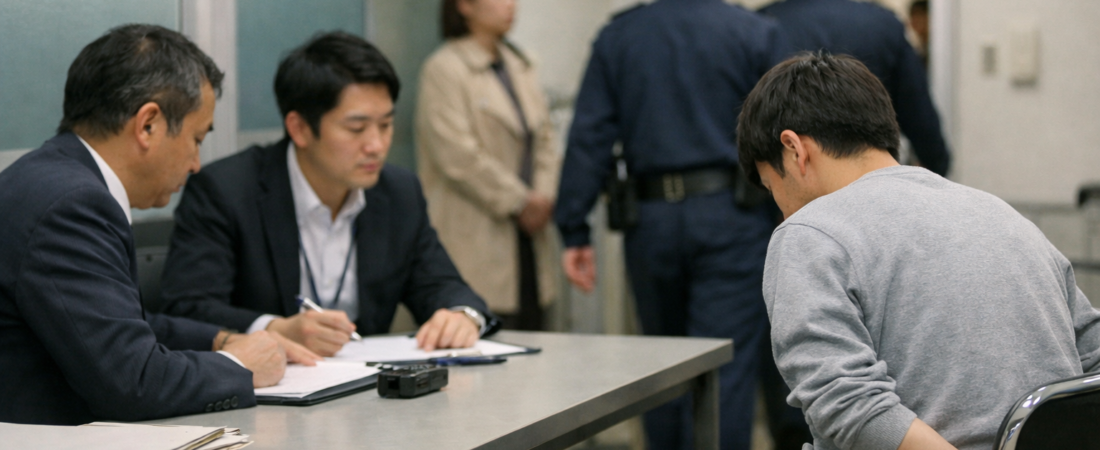
Right now in Korea, the National Assembly floor is buzzing with a fight that could reshape justice for generations. As of this week, lawmakers passed a sweeping amendment to the Criminal Procedure Act. It strips prosecutors of investigative powers they’ve held since 1945.
Sound dramatic? It is. This single vote just ended a 72-year tradition in Korean law enforcement.
Why should you care about a legal change happening thousands of miles away? Because it touches something universal — how much power any government body should hold, and who checks that power.
Breaking News: The Criminal Procedure Act Vote Happens Right Now
The scene at the National Assembly this week was tense. Lawmakers from the ruling bloc pushed the Criminal Procedure Act amendment to a vote after ending an opposition filibuster in just 24 hours.
Members of the People Power Party walked out in protest as the final count came in. The result? 178 lawmakers present, 175 in favor, two against, and one abstention.
Notice those two dissenting votes. They came from within the ruling Democratic Party of Korea itself.
Lawmaker Kwak Sang-eon voted against the bill, worried about unintended side effects. Lawmaker Lee So-young abstained for similar reasons. Even a supermajority isn’t always a unified chorus, is it?
The amendment does something the Korean legal system hasn’t seen since the Criminal Procedure Act first became law in 1945. It completely eliminates prosecutors’ authority to investigate crimes on their own.
It also removes their supplementary investigation power entirely. Going forward, prosecutors can only request that police conduct additional investigation — they cannot do it themselves.
72 Years of History: Why This Criminal Procedure Act Change Matters
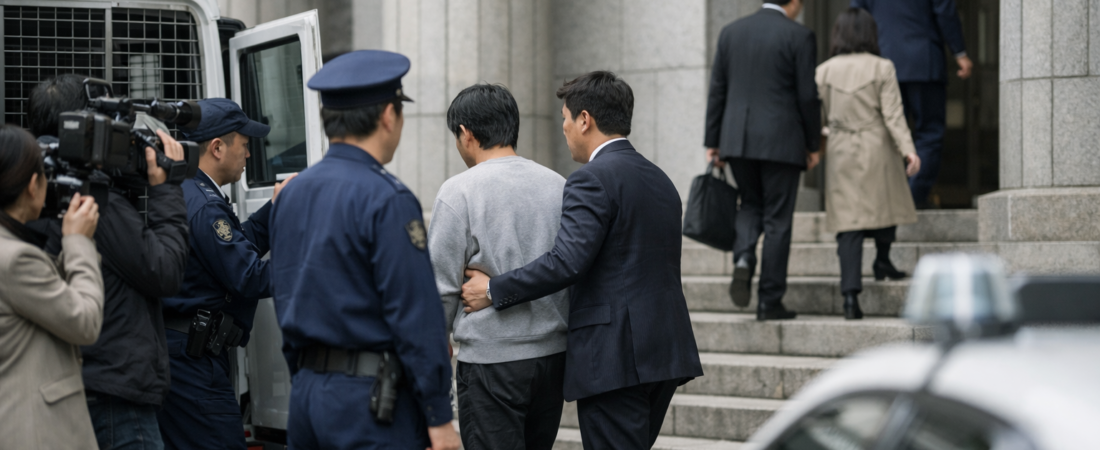
Let’s rewind for a moment. Korea’s original Criminal Procedure Act, enacted in 1945, gave prosecutors both the power to investigate and the power to prosecute.
That dual authority made Korean prosecutors uniquely powerful compared to many democracies. Critics have long argued this concentration of power invited abuse.
Supporters countered that skilled, centralized investigation kept complex cases — financial crimes, corruption, organized crime — from falling through the cracks. Which side is right? That debate has simmered for decades.
This latest Criminal Procedure Act amendment finally forces a choice. Investigation and prosecution now sit in separate hands, at least on paper.
The bill also adds a new safeguard. Courts can now dismiss a case if it finds “seriously illegal investigation” or a “clear abuse of prosecutorial discretion.”
That’s a meaningful addition. It gives judges a formal tool to punish overreach, something the old Criminal Procedure Act never explicitly spelled out.
For context, similar investigation-prosecution splits already exist in countries like Germany and Japan, though implementation varies widely. Korea’s version, though, arrives faster and more sweepingly than most reform advocates originally proposed.
You can read more background on Korea’s prosecutorial reform debate from SBS News, which has tracked this story closely.
Two Parties, Two Realities: The Political Fight Over Prosecutorial Power
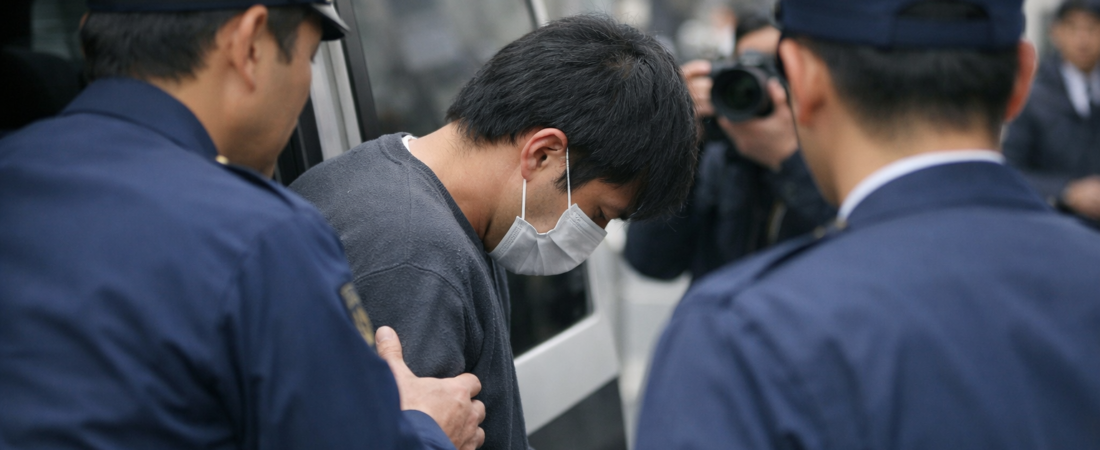
Ask a Democratic Party lawmaker about this bill, and you’ll hear celebration. Han Byung-do, the party’s floor leader, called it “a historic turning point that places prosecutorial power under the constitution and the people’s control.”
Ask a People Power Party lawmaker the same question, and the tone flips completely. Floor leader Jeong Jeom-sik insisted that “a majority of the public opposed abolishing supplementary investigation power,” accusing the ruling party of ignoring public sentiment.
Two floor leaders. Two completely different interpretations of the same Criminal Procedure Act vote. Who gets to decide which version of “the people’s will” is correct?
That tension isn’t new in Korean politics, but this particular fight cuts deeper than usual. Reforming the Criminal Procedure Act touches everyday citizens directly — anyone who might one day face investigation, or need one conducted properly.
The presidential office, known as Cheong Wa Dae, issued a measured statement. It said it “respects the National Assembly’s final decision” and expects the separation of investigation and prosecution to “prevent the concentration of power while raising protection for victims and human rights.”
That’s a careful, diplomatic response. But it doesn’t erase the real anger from the opposition benches.
The People Power Party has already announced two next moves. First, it’s demanding a presidential veto of the Criminal Procedure Act amendment.
Second, it plans to file a constitutional petition, arguing the law itself may violate constitutional principles. Neither move guarantees success, but both signal a fight far from over.
What Comes Next for Korea’s Justice System
Here’s where things get interesting for anyone watching Korean democracy from outside the country. This isn’t just a technical legal tweak — it’s a test of how quickly a legislative majority can reshape core institutions.
The same assembly session also introduced a related bill. It would shorten the review period for “fast-track” legislation from 330 days down to just 90 days.
Think about what that means practically. Bills that once took nearly a year to clear procedural hurdles could now move in three months.
Combine that with the Criminal Procedure Act amendment, and you see a pattern. The ruling bloc is moving fast, and the opposition feels it barely has time to respond.
Is speed always good in lawmaking? Not necessarily — thorough review protects against unintended consequences, the very concern that made two ruling-party lawmakers break from their own side.
But delay isn’t automatically virtuous either. Years of gridlock on prosecutorial reform frustrated voters across the political spectrum, which partly explains why this Criminal Procedure Act overhaul finally found the votes to pass.
For global readers, this story offers a useful lens. It shows how democracies constantly rebalance power between institutions — police, prosecutors, courts, and elected lawmakers.
Korea’s specific answer, removing prosecutorial investigation power entirely, is bold. Whether it strengthens accountability or creates new gaps in law enforcement will take years to fully judge.
The Criminal Procedure Act amendment must still go through promulgation procedures before taking full legal effect. Watch for the presidential response and any constitutional court ruling — both could reshape how, or whether, this law actually survives in its current form.
What do you think about Korea’s decision to strip prosecutors of investigative power after 72 years?
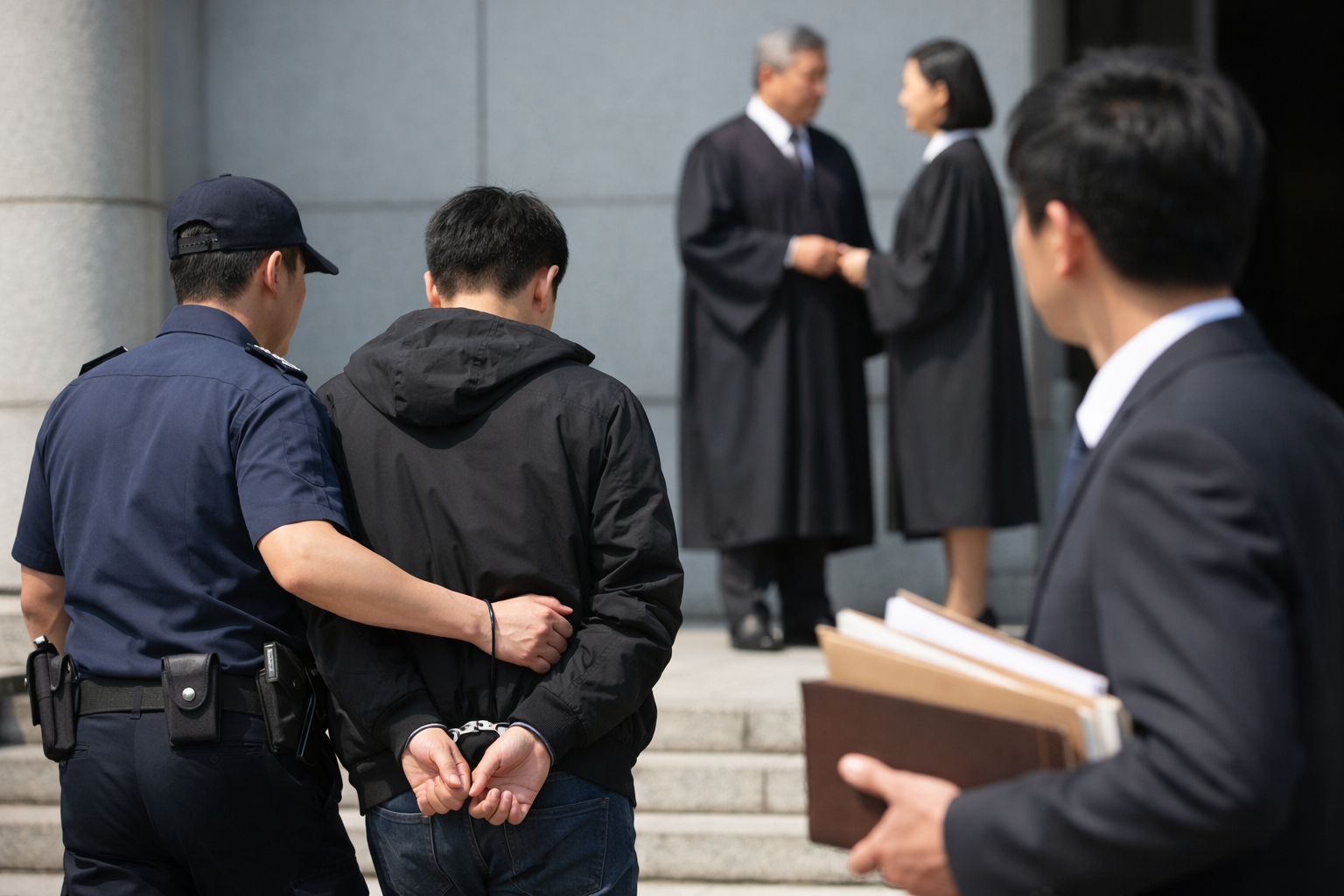
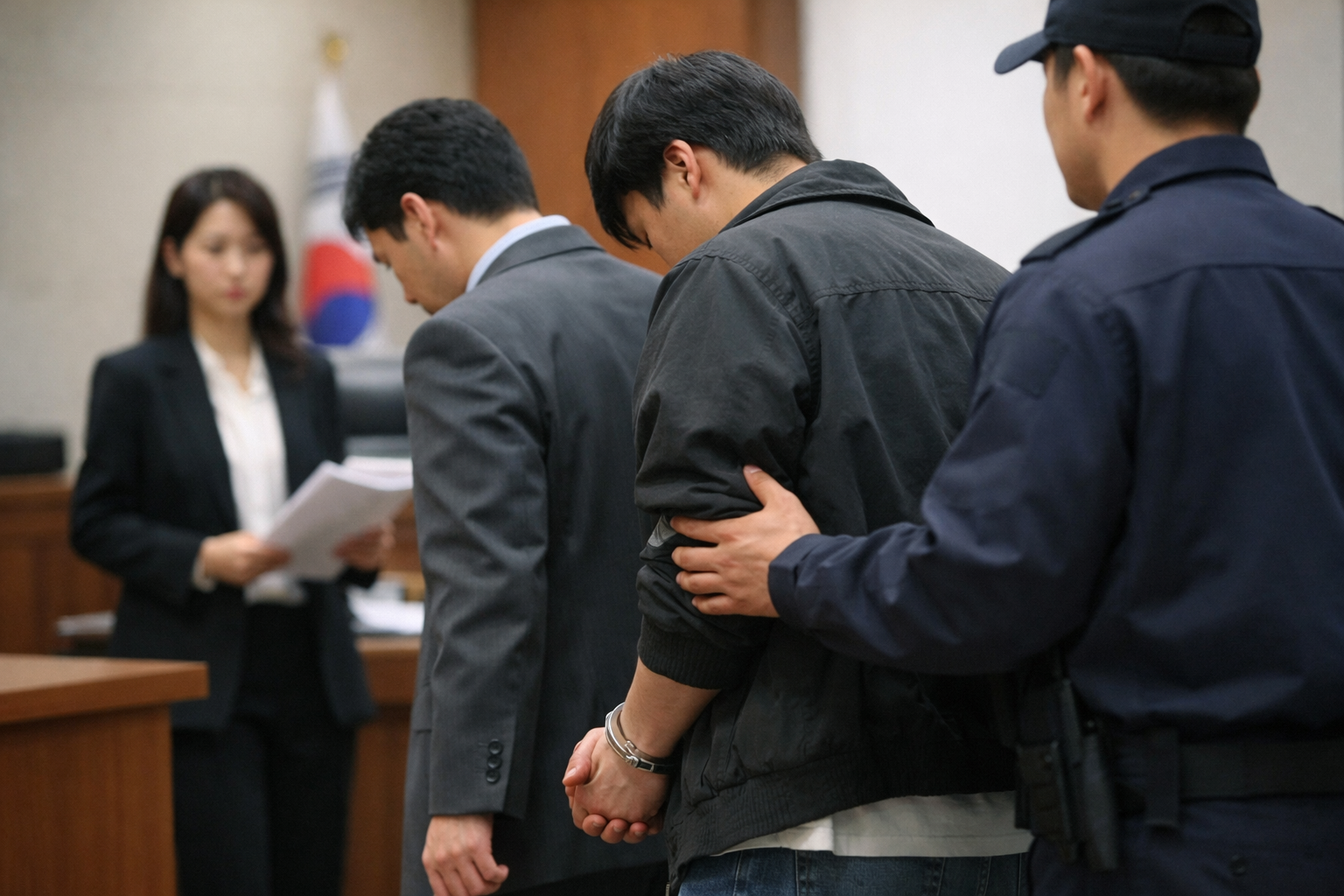
AI-Generated Photorealistic Image — All people, scenes, and details in this image are entirely AI-generated and fictional. Not a real photograph of an actual person or event. 이 이미지는 AI로 생성된 가상 이미지입니다.


Leave a Reply