Table of Contents
Korea’s Sports World Faces a Brutal Heat Wave
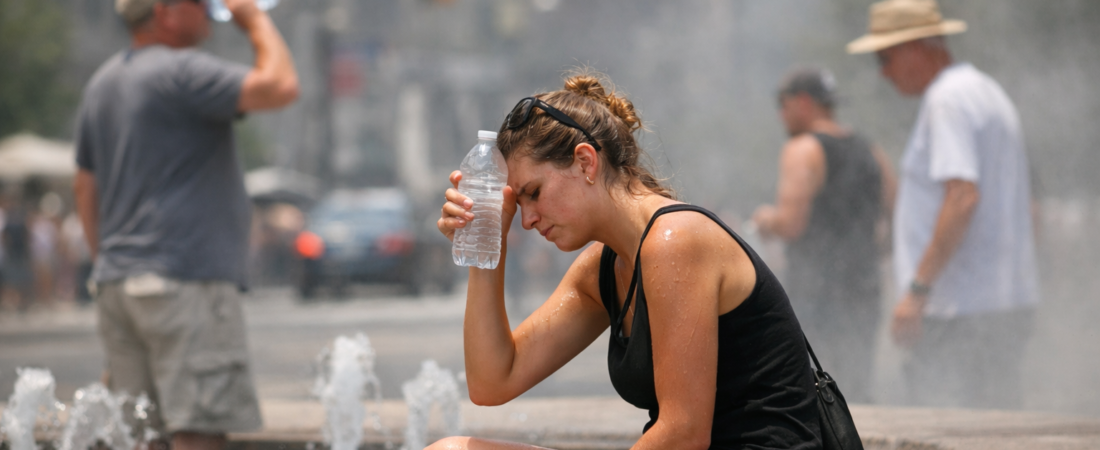
Can you imagine playing nine innings of baseball under a sun that refuses to let up? This past weekend, that question stopped being hypothetical for players across Korea. A record-breaking heat wave gripped the country, and outdoor professional sports had no choice but to respond.
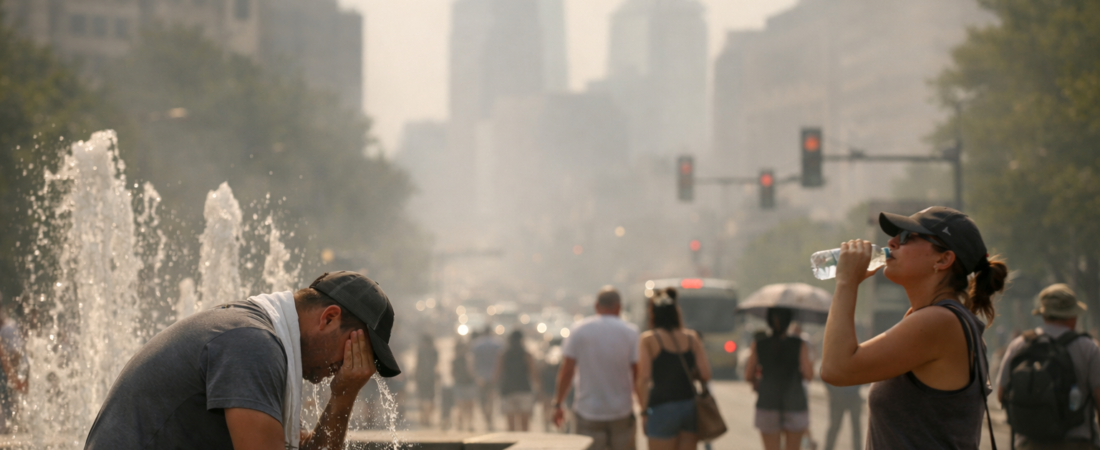
Baseball, soccer, and golf all felt the pressure at once. Officials in each sport scrambled to protect players and fans from dangerously high temperatures. And honestly, this isn’t just a scheduling headache anymore — it’s a safety emergency hiding in plain sight.
Summer heat in Korea has always been intense, but something feels different this year. The heat wave arrived early, stayed late, and pushed thermometers into territory that even longtime fans call unusual. So what exactly are Korea’s biggest sports leagues doing about it?
Baseball Adjusts Its Game Plan for the Heat Wave
The KBO League, Korea’s top professional baseball organization, sits at the center of this heat wave story. Games traditionally start in the early evening, but that timing no longer guarantees relief. Stadiums packed with sunbaked seats can trap heat well after sunset.
Teams have started extending breaks between innings, giving players more time to hydrate and cool down. Some stadiums brought in extra misting fans and shaded rest areas near the dugouts. Ice towels and electrolyte stations, once optional extras, now feel like basic equipment.
Front offices also looked at start times themselves. Pushing first pitch later into the evening reduces direct sun exposure during the hottest hours. It’s a small shift on paper, but for players standing on hot artificial turf, it makes a real difference.
Spectator safety matters just as much here. Stadium operators increased free water distribution points and opened more indoor cooling zones for fans between innings. If you’ve ever sat through a sweltering doubleheader, you know why that matters — heat exhaustion doesn’t check whether you’re wearing a jersey or holding a foam finger.
Soccer and Golf Confront the Same Heat Wave Challenge

Soccer faces its own version of this heat wave problem, and honestly, the sport has fewer built-in breaks than baseball does. The K League has leaned on official cooling breaks, brief pauses mid-half where players receive water and shade. These pauses used to feel rare; now they’re becoming standard practice during summer months.
Referees also gained more discretion to adjust match tempo when conditions turn extreme. That’s a meaningful shift for a league that historically prized nonstop play. Player safety, it turns out, can outweigh tradition when the heat wave pushes field temperatures past safe thresholds.
Golf presents a different kind of challenge altogether. Tournaments unfold over hours, with players walking long distances across open, sun-exposed courses. Organizers have widened tee-time gaps, added extra hydration carts along fairways, and, in some cases, moved rounds earlier to dodge peak afternoon heat.
You might picture golf as a leisurely walk in the park — think again during a heat wave like this one. Course officials reported closely monitoring the heat index, not just the temperature, since humidity turns a hot day into a genuinely dangerous one. For readers curious about how extreme heat gets measured and tracked globally, resources like Yonhap News Agency offer useful context on rising summer temperature trends.
What This Heat Wave Means for the Future of Sports
Here’s the bigger question worth asking: is this heat wave a one-time event, or a preview of every future Korean summer? Climate patterns suggest the latter. Sports organizations that treat heat management as a temporary inconvenience may find themselves scrambling again next year.
Some leagues are already thinking longer term. Discussions include permanent schedule shifts for July and August games, expanded stadium shading structures, and clearer heat-related postponement rules. None of these fixes are glamorous, but they’re necessary if outdoor sports want to remain safe and sustainable.
There’s a quietly funny side to all this too — Koreans have always taken their portable fans seriously, but this summer, even stadium vendors reported selling out of handheld fans by the third inning. It turns out fan loyalty and actual fans go hand in hand during a heat wave.
For international fans following Korean baseball, soccer, or golf, this story carries a familiar warning. Extreme heat isn’t just a Korean sports issue; it’s becoming a global sports issue. Leagues everywhere, from European soccer to American football, face similar pressure as summers grow hotter worldwide.
What happens in Korea right now offers a preview of decisions other countries will soon face. Better cooling infrastructure, smarter scheduling, and stronger hydration protocols aren’t luxuries anymore. They’re becoming the baseline for any outdoor sport played under a rising heat wave threat.
So here’s a question worth sitting with: how should professional sports leagues balance tradition against a changing climate? Do you think Korea’s current heat wave response goes far enough, or should leagues rethink summer scheduling altogether?
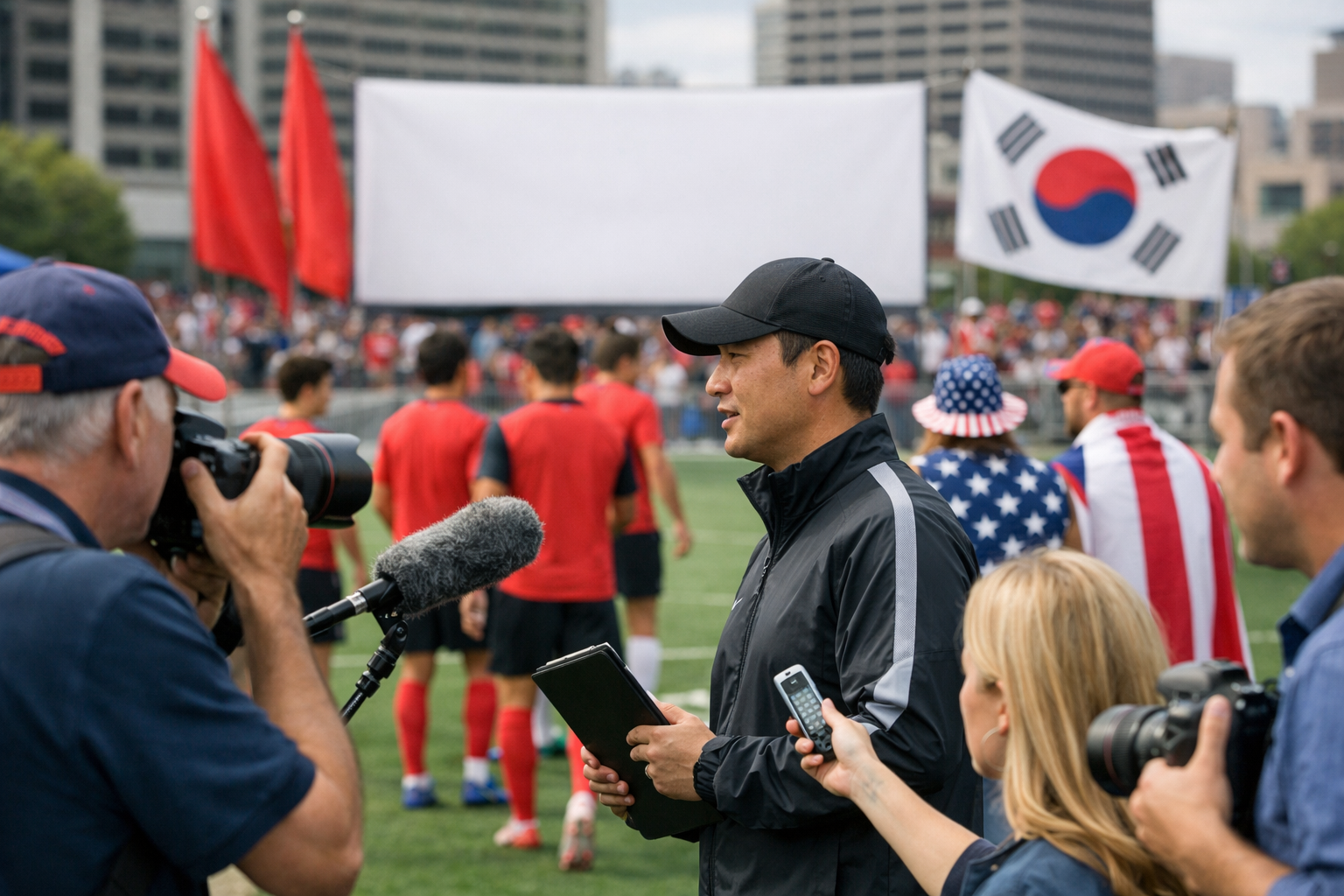
AI-Generated Photorealistic Image — All people, scenes, and details in this image are entirely AI-generated and fictional. Not a real photograph of an actual person or event. 이 이미지는 AI로 생성된 가상 이미지입니다.
Leave a Reply