
Table of Contents
North Korea’s sports minister Kim Il-guk arrived in Nagoya, Japan, on Thursday, two days before the Aichi-Nagoya Asian Games officially open. Kim also leads North Korea’s Olympic Committee and serves as chef de mission for the delegation. He traveled from Pyongyang through China before landing at Chubu Centrair International Airport.
Why would a country with famously tight borders send its top sports official straight into Japan? That question matters more than you might think.
North Korea rarely sends senior officials abroad without a clear purpose. This trip signals something bigger than one athletic event.
North Korea’s Sports Minister Lands in Japan
Kim Il-guk left Pyongyang on Tuesday and took an indirect route through China. He reached Nagoya two days later, arriving well ahead of the opening ceremony.
This is not unusual for North Korean delegations. Direct travel between North Korea and Japan is essentially impossible under current diplomatic conditions, so routing through China becomes the practical option.
As chef de mission, Kim carries real authority over his delegation’s conduct at the games. He decides logistics, represents North Korea in official meetings, and manages athlete movements.
His dual role as Olympic Committee president adds extra weight. North Korea’s Olympic Committee has a complicated history with the International Olympic Committee, including suspensions tied to political disputes.
Sending its top sports figure personally shows North Korea wants visible, hands-on control this time. That is a notable shift from sending lower-level bureaucrats, as it has in some past regional events.
Why This Trip Matters More Than It Looks
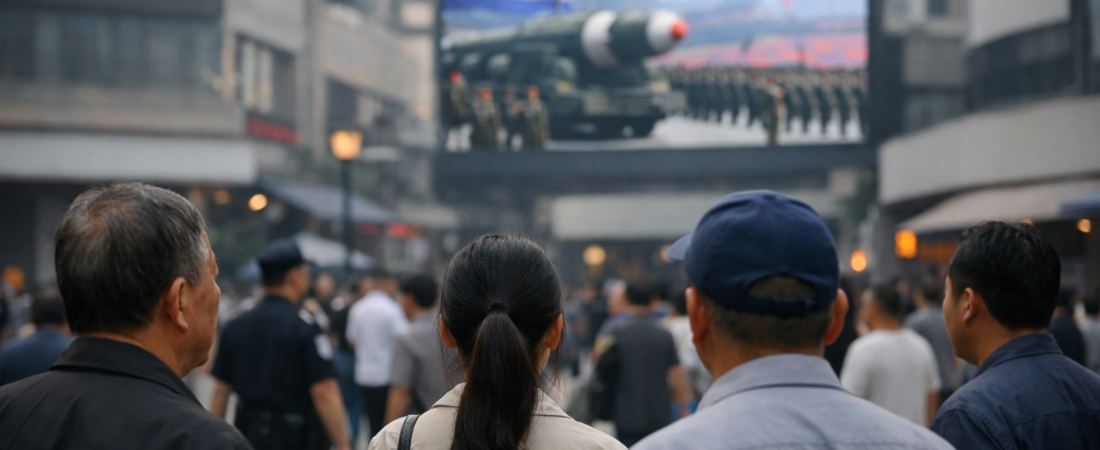
You might wonder why a regional sporting event deserves this level of attention. The answer connects to North Korea’s broader pattern of using sports as a diplomatic tool.
North Korea has long treated international competition as a stage for soft power. Think of the 2018 Winter Olympics in Pyeongchang, where North Korean and South Korean athletes marched together under one flag.
That moment briefly reshaped inter-Korean relations and grabbed global headlines. Sports gave North Korea a rare platform where isolation could pause, even briefly.
The Asian Games offer a similar, smaller-scale opportunity. North Korea gets to appear as a normal participant in Asia’s sporting community, despite ongoing tensions with Japan over missile tests and historical grievances.
Japan-North Korea relations remain frozen on almost every diplomatic front. Yet Kim Il-guk’s arrival shows that sports can still create narrow openings where formal diplomacy cannot.
Is this a genuine gesture toward engagement, or simply routine participation? Likely both — North Korea rarely does anything purely symbolic, but it also rarely passes up a chance for visibility.
Sports Diplomacy Between North Korea and Japan
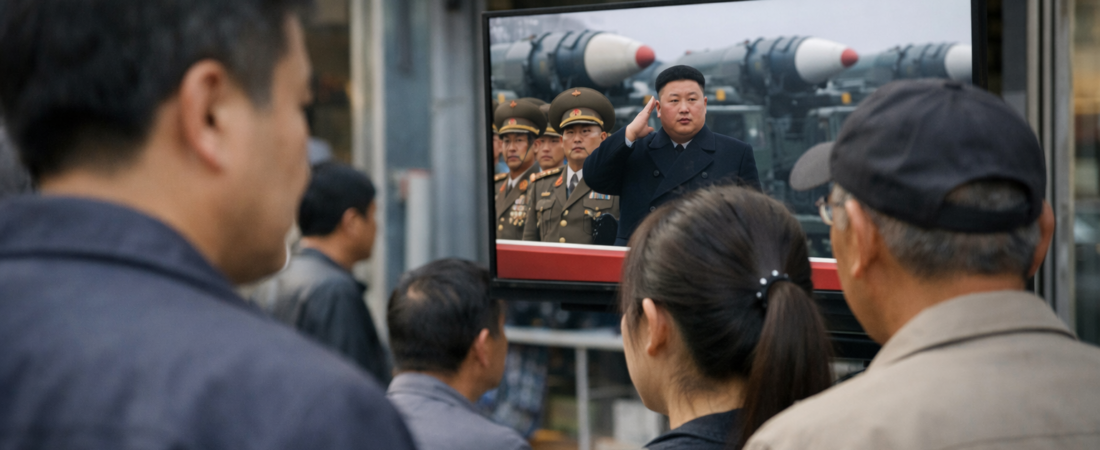
North Korea and Japan have no formal diplomatic relations. Disputes over abductions, nuclear weapons, and colonial-era history keep official channels largely closed.
Against that backdrop, athletic exchanges take on outsized symbolic value. A North Korean delegation walking through a Japanese airport, however routine, becomes newsworthy precisely because so little else moves between the two countries.
According to Korea Herald, Kim was accompanied by several officials as part of the broader delegation. This detail matters because it shows North Korea is treating the games as a full state mission, not a minor formality.
Historically, sports have occasionally bridged what politics could not. Table tennis diplomacy between the United States and China in the 1970s remains the classic example worldwide.
North Korea’s Olympic Committee has studied this playbook closely. It knows that stadiums and opening ceremonies offer photo opportunities that embassies simply cannot provide.
Could this Asian Games appearance open small doors for future contact with Japan? Possibly, though skepticism remains reasonable given decades of stalled talks.
What to Watch as the Asian Games Begin
The Aichi-Nagoya Asian Games bring together athletes from across the continent, and North Korea’s presence adds a layer of political intrigue few other delegations carry. Every North Korean athlete, coach, and official becomes a small data point for analysts watching Pyongyang’s foreign posture.
Will North Korea use this event for quiet outreach, or will it stick strictly to competition? Expect a cautious answer somewhere in between, given North Korea’s history of tightly managed public appearances.
North Korea’s sporting delegations rarely operate independently. Every movement, statement, and interaction gets coordinated with Pyongyang’s broader strategic goals, which makes even routine arrivals worth watching closely.
For casual fans, this might feel like inside baseball (or perhaps inside baduk, given the region). But for Korea watchers, Kim Il-guk’s arrival offers a small, concrete signal of how North Korea positions itself regionally in 2026.
North Korea’s participation also tests how host nations balance sports and politics. Japan must welcome North Korean athletes as competitors while managing its own unresolved grievances, a balancing act that says as much about Japan’s diplomatic discipline as it does about North Korea’s intentions.
As the games unfold, watch how North Korean athletes perform, how officials interact with counterparts, and whether any unexpected meetings occur on the sidelines. Small gestures at sporting events have shifted bigger conversations before, and North Korea knows this history well.
What do you think — can sports still open doors between North Korea and its neighbors when formal diplomacy stays frozen?
AI-Generated Photorealistic Image — All people, scenes, and details in this image are entirely AI-generated and fictional. Not a real photograph of an actual person or event. 이 이미지는 AI로 생성된 가상 이미지입니다.


Leave a Reply