A Three-Day Festival Brings Communities Together Through Grassroots Sports
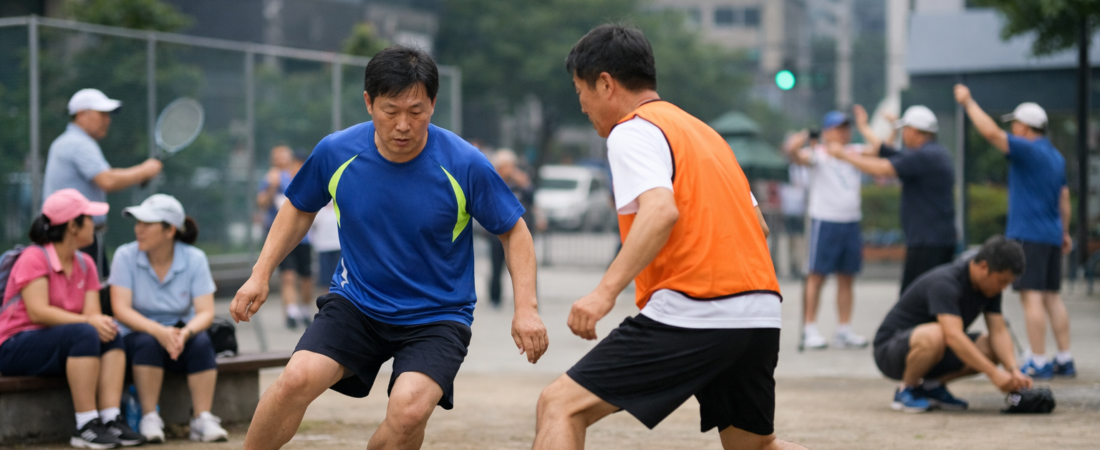
The 38th Jeonnam-Gwangju Integrated Metropolitan City Grassroots Sports Festival closed on September 14 after three days of competition. Thousands of amateur athletes across 24 sports, including soccer, baseball, and bowling, took part. The event highlighted how grassroots sports continue to connect ordinary citizens across the region.
What makes an event like this matter beyond the scoreboard? Grassroots sports, known in Korea as saenghwal cheyuk, describe everyday physical activity organized around community clubs rather than professional leagues. This festival gave amateur players a stage to test their skills and build friendships along the way.
Held over three days, the tournament wrapped up with a sense of accomplishment shared by participants and organizers alike. Grassroots sports events like this one rarely make international headlines, yet they shape daily life for thousands of Korean citizens. You might not have heard of this festival before, but its impact on local communities runs deep.
Inside the Opening Ceremony and What It Revealed
The festival officially opened on September 12 at Jangseong Yellow City Stadium. Around 5,000 people attended, including athletes, officials, and local leaders. That turnout tells you something about how seriously this region takes grassroots sports.
Mayor Min Hyung-bae attended alongside City Council Speaker Song Hyung-gon, Jangseong County Governor Kim Han-jong, and Jeollanam-do Sports Council Chairman Song Jin-ho. Their presence signaled strong institutional backing for grassroots sports at every level of local government. Why would so many officials show up for an amateur sports event?
Because grassroots sports serve a purpose far beyond competition. They function as a bridge between government and everyday citizens, a place where policy promises meet real people. This gathering was as much about public trust as it was about athletic performance.
Why Grassroots Sports Matter for Public Health
Mayor Min described grassroots sports as “the closest form of welfare that protects citizens’ health.” That phrase deserves attention. He is framing exercise not as leisure, but as a public service on par with healthcare or housing support.
This idea has deep roots in Korean policy thinking. Since the early 2000s, national and local governments have invested heavily in community sports infrastructure, from public gyms to neighborhood fields. The logic is simple: prevention costs less than treatment, and grassroots sports keep people active before problems start.
Consider the scale here. Twenty-four different sports categories accommodated everyone from soccer enthusiasts to bowling clubs, meaning almost anyone could find a place to participate. That kind of inclusiveness is the real engine behind grassroots sports growth. Isn’t it worth asking why more countries don’t invest this seriously in amateur athletic communities?
According to Ohmynews, the mayor also promised continued support and better conditions for participation going forward. That commitment matters because grassroots sports programs often struggle with funding gaps once the opening ceremony excitement fades. Sustained investment, not just a three-day festival, will determine whether this momentum lasts.
The Road Ahead for Grassroots Sports in the Region
Jeonnam and Gwangju’s move toward an “integrated metropolitan city” adds another layer to this story. Merging administrative regions changes how resources get distributed, including funding for grassroots sports programs. Residents in smaller counties like Jangseong may benefit from access to facilities and events once limited to bigger cities.
That said, integration always brings growing pains. Larger cities sometimes absorb attention and budget faster than rural areas, leaving smaller communities to wonder if their grassroots sports clubs will get equal support. The festival’s choice to host its opening ceremony in Jangseong, rather than downtown Gwangju, suggests organizers are trying to balance that concern directly.
This balancing act reflects something bigger about how communities grow together. Shared struggle and unequal resources are real, but so is the visible effort to include every corner of the region. Grassroots sports, in this sense, become a small but meaningful test of whether integration can work fairly for everyone involved.
Looking forward, the success of grassroots sports programs will depend on follow-through, not just ceremony. Officials made public promises this week, and citizens will be watching to see if funding and facilities actually materialize. If they do, this festival could become a model for how mid-sized regions support amateur athletics long after the closing whistle blows.
What do you think about using grassroots sports as a tool for public health and regional unity?
AI-Generated Photorealistic Image — All people, scenes, and details in this image are entirely AI-generated and fictional. Not a real photograph of an actual person or event. 이 이미지는 AI로 생성된 가상 이미지입니다.

Leave a Reply