Hwaseong FC Signs Data-Driven Care Deal
Table of Contents
Hwaseong FC has signed a formal partnership with Kyung Hee University’s College of Physical Education. The deal focuses on data-based physical care for players, backed by sports science research. Hwaseong City announced the agreement, calling it a step toward boosting local sports industry growth.
Why would a K League 2 club team up with a university sports college? The answer is simple: modern football runs on data now, not just talent alone.
Every sprint, every heart rate spike, every recovery session tells a story. Clubs that read that story well tend to keep their players healthier and their squads deeper.
Why Physical Care Matters in K League 2
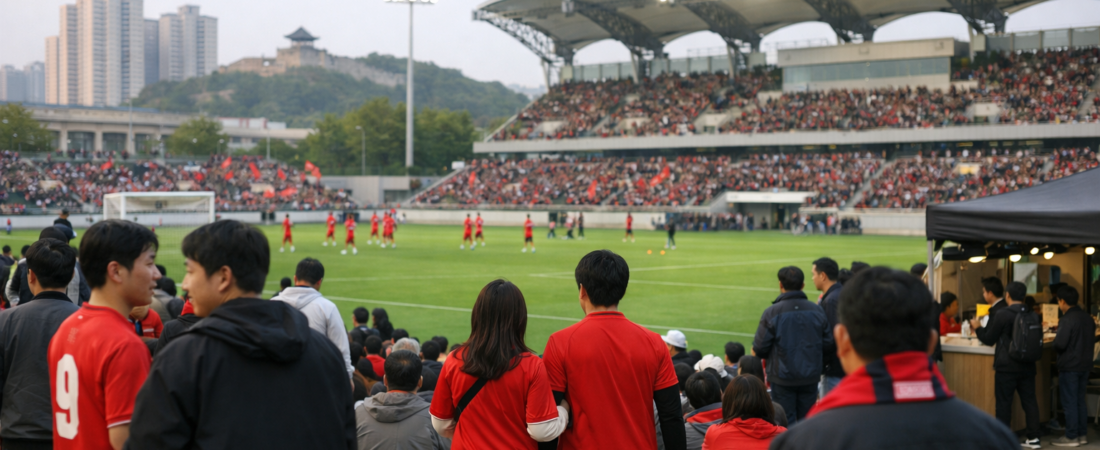
K League 2 clubs often operate with smaller budgets than their K League 1 counterparts. That gap makes injury prevention and smart recovery planning even more critical for teams like Hwaseong FC.
One missed player due to injury can shift an entire season’s trajectory. Think about it — a squad with limited depth cannot easily replace a starting midfielder or defender.
This is exactly where data-based physical care comes in. By tracking player workload, fatigue levels, and movement patterns, coaching staff can make smarter decisions about rotation and rest.
Hwaseong FC’s new agreement with Kyung Hee University aims to build exactly this kind of system. The club expects the partnership to strengthen both player welfare and long-term competitiveness on the pitch.
Kyung Hee University Brings Sports Science
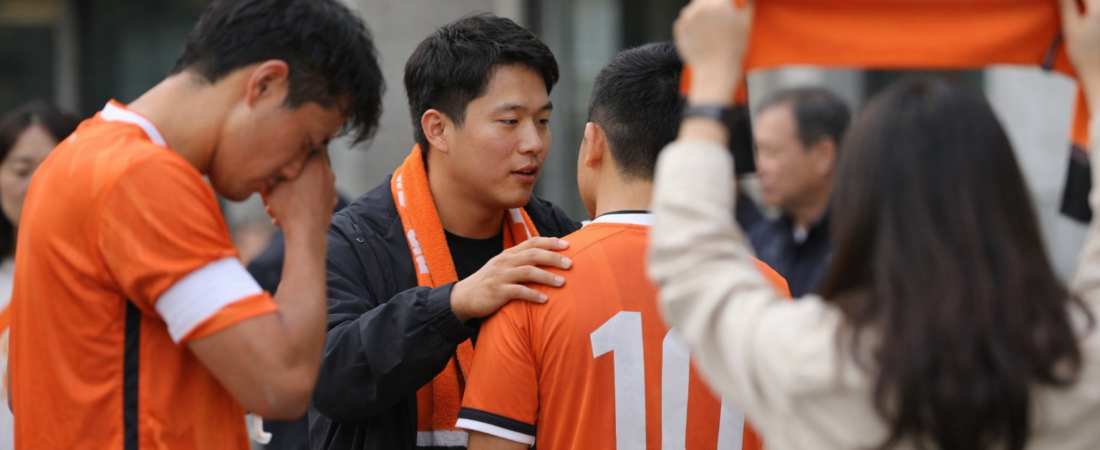
Kyung Hee University’s College of Physical Education is known for research in exercise physiology and athletic performance. Partnering with a professional club gives students and researchers real-world data to study.
For Hwaseong FC, this means access to academic expertise that most K League 2 clubs simply cannot afford on their own. It is a win-win setup — researchers get real athletes, and athletes get research-backed care.
This kind of university-club collaboration is not entirely new in Korean sports. But it does reflect a growing trend where local governments, universities, and pro clubs work together to strengthen regional sports ecosystems.
Hwaseong City itself played a role in facilitating the agreement, according to Yonhap News Agency. Local officials see the Hwaseong FC partnership as part of a broader push to make the city a stronger sports hub in Gyeonggi Province.
What This Means for Korean Local Football
Does one partnership change everything overnight? Of course not — but small, steady steps like this often build the foundation for bigger progress later.
Local clubs across Korea face real limits: tighter budgets, smaller medical staff, and less name recognition than top-tier teams. Yet partnerships like Hwaseong FC’s show a genuine path forward, one where universities and city governments fill gaps that money alone cannot solve.
The same resourcefulness that makes Korean regional sports resilient can also mask quieter struggles — clubs stretching every won just to stay competitive. Still, collaborations like this remind you that creative problem-solving often matters more than deep pockets.
Hwaseong FC’s approach could become a model other K League 2 clubs study closely. If data-driven physical care helps reduce injuries and improve performance, expect more clubs to seek similar university partnerships in the coming seasons.
Local football in Korea rarely makes global headlines, but it shapes the sport’s foundation for years to come. What do you think — could this kind of university-club partnership work for smaller clubs in your own country?
AI-Generated Photorealistic Image — All people, scenes, and details in this image are entirely AI-generated and fictional. Not a real photograph of an actual person or event. 이 이미지는 AI로 생성된 가상 이미지입니다.



Leave a Reply