
Table of Contents
Can a picture book move you without using a single word? Lee Su-ji has spent her whole career proving the answer is yes. Now, her artwork is coming to Cheongju, and it’s worth the trip.
North Chungcheong Province announced this week that a major exhibition of Lee Su-ji’s work will open on August 4. It runs through November 8, giving visitors three full months to explore her world. The show is titled “Shining Children – Lee Su-ji’s Picture Books,” and it takes place at the Picture Book Garden 1937 space inside the provincial government building.
Lee Su-ji made history as the first Korean author to win the Hans Christian Andersen Award, often called the “Nobel Prize” of children’s literature. That alone makes this exhibition significant. But her story runs deeper than one prize — it’s about how a Korean artist reshaped what picture books can do.
Who Is Lee Su-ji, Korea’s Andersen Award Winner?
Lee Su-ji built her reputation on a bold creative choice. She tells stories almost entirely through images, leaving text out of the picture — literally. Her books ask readers to slow down and look closely, page by page.
This approach isn’t just a stylistic preference. It’s a philosophy about how children — and adults — actually experience stories. Words can limit imagination by telling us exactly what to feel.
Images, especially wordless ones, invite each reader to bring their own emotions to the page. Isn’t that a more honest kind of storytelling?
Her international recognition didn’t happen overnight. Lee Su-ji spent years refining a visual language that speaks across cultures and age groups. That patience paid off when she became the first Korean recipient of the Hans Christian Andersen Award, a milestone that put Korean picture books on the global map in a new way.
For readers unfamiliar with the award’s prestige, think of it as the children’s literature world’s equivalent of the Oscars — except the “acting” happens entirely through illustration. You can learn more about the award’s history and past winners through The Kyunghyang Shinmun.
Inside the Cheongju Exhibition of Lee Su-ji’s Picture Books
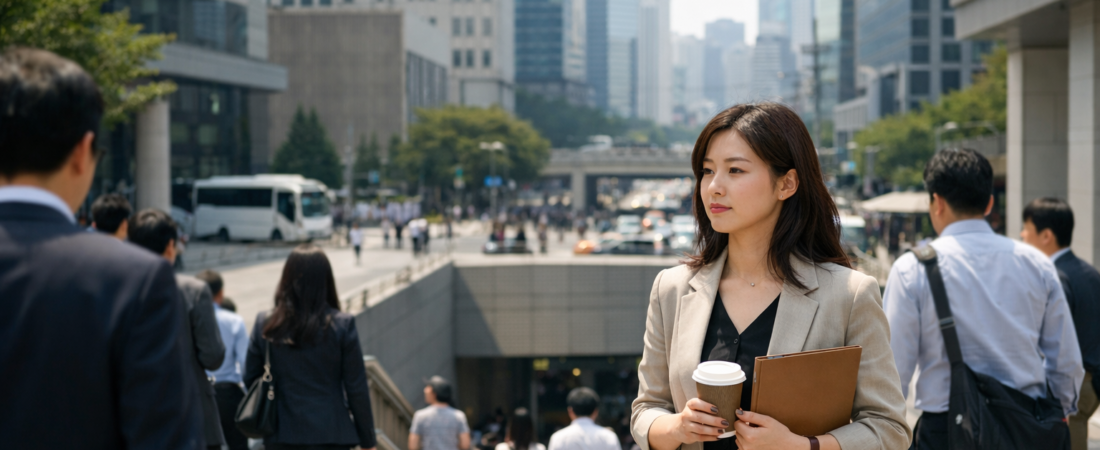
North Chungcheong Province isn’t just hosting a small gallery show. This is a three-month commitment to celebrating Lee Su-ji’s full body of work. The exhibition runs from August 4 through November 8, giving families, students, and art lovers plenty of time to visit.
The venue itself carries meaning. Picture Book Garden 1937 sits inside the provincial government office in Cheongju, which signals something important. Local government isn’t just permitting culture — it’s actively investing in it.
That’s a notable shift for regional arts programming in Korea. Visitors can expect to see original illustrations that trace Lee Su-ji’s creative evolution. Her work often explores themes of childhood wonder, quiet emotion, and the small moments that shape how children see the world.
The exhibition title, “Shining Children,” reflects this focus directly. Why choose a government building for such an exhibition, rather than a traditional art museum? The answer may say something about accessibility.
Placing world-class art inside a public administrative space brings it closer to everyday citizens who might never visit a formal gallery. That’s a quietly democratic gesture, whether intentional or not.
The Power of Wordless Storytelling
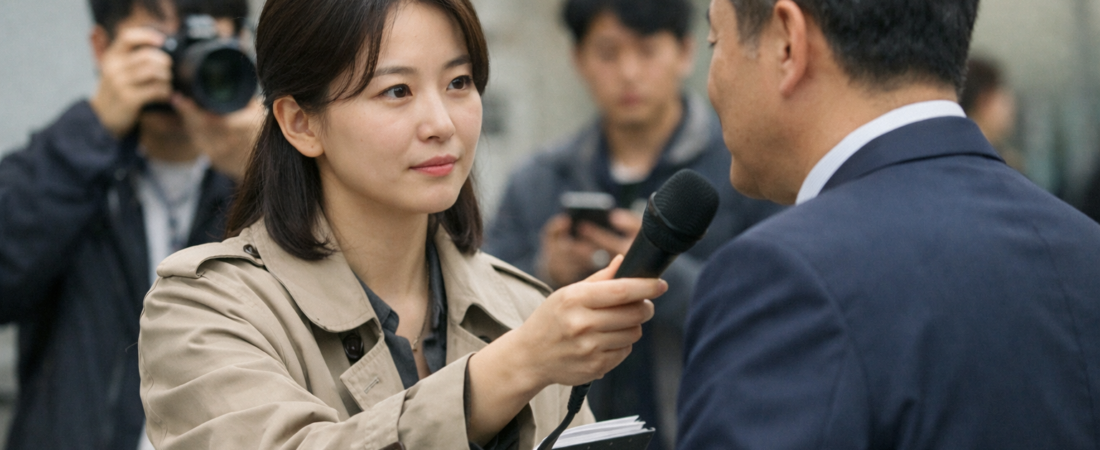
Wordless picture books face a real challenge: they demand more from readers, not less. Without captions guiding the plot, viewers must interpret color, gesture, and composition on their own. Lee Su-ji mastered this format precisely because she trusts her audience.
Her illustrations don’t explain themselves — they invite participation. This is where her work becomes genuinely cross-generational. A five-year-old and a fifty-year-old can look at the same page and walk away with completely different, equally valid interpretations.
Isn’t that rare in modern storytelling, where so much media spells out every emotion for us? In an era of nonstop text notifications and captioned everything, a book that says nothing out loud might be the loudest statement of all.
Korea’s picture book industry has grown significantly over the past two decades. Domestic publishers have pushed for higher production quality and more original Korean narratives, rather than relying solely on translated foreign titles. Lee Su-ji’s international success didn’t create this movement alone, but it certainly accelerated global attention toward Korean illustrators.
Her Andersen Award win in particular opened doors for other Korean creators seeking recognition abroad. Cultural historians often note that Korea’s rapid modernization left limited space for slow-paced, contemplative children’s media during the twentieth century. Lee Su-ji’s work represents a kind of course correction — proof that quiet, image-driven storytelling has real staying power, even in a fast-moving media landscape.
Why Lee Su-ji’s Success Matters for Korean Culture
Lee Su-ji’s Andersen Award win carries weight beyond personal achievement. It signals that Korean creative work in children’s literature can compete — and win — on the world stage. That matters for how Korea sees its own cultural exports beyond K-pop and K-dramas.
But global acclaim doesn’t automatically translate into strong domestic support at home. Many independent bookstores and small publishers in Korea still struggle financially, even as international awards make headlines. Picture book illustrators, in particular, often face unstable income despite critical praise, since children’s literature rarely commands the same commercial attention as bestselling adult fiction.
That gap between global prestige and local sustainability is worth naming honestly. Yet this Cheongju exhibition offers a genuine counterpoint to that concern. A regional government choosing to dedicate three months and public space to a picture book artist shows real investment, not just symbolic gesture.
It suggests a growing recognition, at the local level, that illustrated storytelling deserves serious cultural infrastructure — not just applause after an award ceremony. Small, consistent efforts like this may matter more than headline-grabbing prizes in the long run.
There’s something quietly hopeful in watching a wordless story connect a five-year-old and a grandmother in the same gallery room. That kind of shared wonder reminds us that human connection doesn’t always need explanation to feel real. But the same closeness a beloved picture book creates can also mask how isolating creative work can be behind the scenes — long hours alone at a drawing table, uncertain income, and years of quiet effort before any recognition arrives.
Lee Su-ji’s story holds both truths at once: the genuine magic her images create for readers, and the less visible discipline required to make that magic possible. Perhaps that tension is what makes her work feel so honest in the first place.
Lee Su-ji’s exhibition in Cheongju offers more than a nostalgic look back at award-winning illustrations. It’s an invitation to reconsider what stories can look like when we strip away the words. As Korean picture books continue gaining international attention, will more regional governments follow Chungcheongbuk-do’s lead in supporting artists like Lee Su-ji at home, not just celebrating them abroad?
AI-Generated Photorealistic Image — All people, scenes, and details in this image are entirely AI-generated and fictional. Not a real photograph of an actual person or event. 이 이미지는 AI로 생성된 가상 이미지입니다.



Leave a Reply