
Table of Contents
Have you ever felt completely alone in a crowded subway car? (Seoul’s subway system is famously efficient—apparently even it can’t schedule that feeling away.) That quiet ache is exactly what Korean artist Ham Yang-ah has spent thirty years trying to understand.
In a culture increasingly shaped by “gakjadosaeng”—the idea that everyone must fend for themselves—Ham Yang-ah asks a bold question. Can art still bring people together? Her recent work sits right at the center of this debate, and it deserves your attention.
Modern life feels more isolating than ever, even though we stay constantly connected online. Ham Yang-ah wants to know if art can share the weight of anxiety, rather than simply reflect it back at us. That distinction matters more than it might first appear.
Why Ham Yang-ah Believes Art Can Ease Modern Anxiety
Ham Yang-ah did not arrive at this question overnight. She has spent three decades exploring how individuals relate to the society around them. Her work often asks what happens when personal struggle meets collective silence.
Today, that question feels more urgent than ever. Korean society, like many others, has embraced a survival-of-the-fittest mindset. People compete for jobs, housing, and even friendships, often believing they must go it completely alone.
Ham Yang-ah pushes back against this trend, gently but firmly. She does not believe art should simply document loneliness from a safe distance. Instead, she treats art as a way to sit beside someone in their anxiety, without rushing to fix it.
This idea sounds simple at first glance. But it quietly challenges how many people think about the purpose of contemporary art. Is art meant to solve problems, or simply to make sure no one faces them unaccompanied?
Three Decades of Studying the Individual and Society
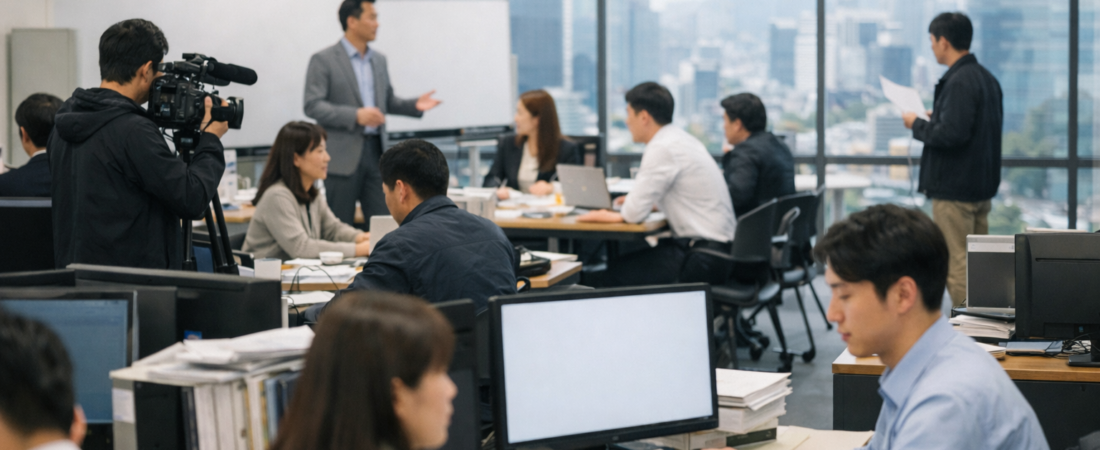
Ham Yang-ah’s career did not begin with easy answers. She built her reputation by asking uncomfortable questions about power, belonging, and identity. Where exactly does the individual end and society begin?
Her early works often focused on invisible systems—the rules and expectations that shape daily behavior without anyone fully noticing. Over time, her focus shifted toward lived emotional experience. How does a person feel when caught between personal desire and social obligation?
This shift matters, especially now. Korea has changed dramatically over the past thirty years, moving from a tightly collectivist post-war society toward a hyper-competitive, individualized one. Ham Yang-ah’s body of work traces that transformation, almost like a diary written in installations and images instead of words.
Readers curious about this broader cultural shift can explore additional coverage through Maeil Business Newspaper, which has followed similar generational changes closely. Ham Yang-ah’s art gives that abstract shift a human face. It turns statistics about loneliness into something you can actually feel while standing in a gallery.
Life in Korea’s Age of Everyone-for-Themselves
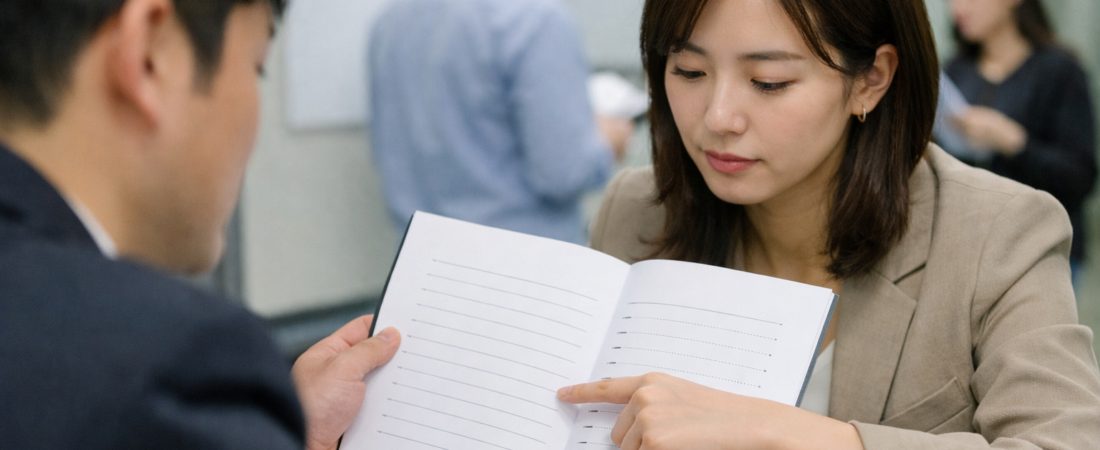
What exactly does “gakjadosaeng” mean, and why does it matter so much right now? The phrase literally means each person must find their own way to survive. It captures a growing sense that no one—not government, not community, not even extended family—will fully catch you if you fall.
This mindset did not appear out of nowhere. Rapid urbanization, fierce academic competition, and an unstable job market all pushed Koreans toward self-reliance. Add rising housing costs and one of the world’s lowest birth rates, and you get a society where trust in shared systems feels increasingly fragile.
Ham Yang-ah’s art speaks directly into this reality. Instead of offering false comfort, her work acknowledges how exhausting constant self-reliance can become. Isn’t it tiring, always being told that you are on your own?
Her exhibitions create small pauses where visitors can simply notice their own fatigue. That noticing, Ham Yang-ah suggests, is the first step toward something better than isolation. Art cannot rebuild an entire social safety net, but it can remind people they are not the only ones feeling worn down.
Art as a Quiet Companion in Uncertain Times
So can art really ease modern anxiety, or is that just wishful thinking? Ham Yang-ah’s answer feels refreshingly honest. Art will not fix broken systems, pay your rent, or hand you a stable job.
But it can do something systems often fail to do. It can sit with you in discomfort, without judgment or a quick fix. That companionship, however small, matters more than we tend to assume.
Korean society has long valued close community bonds, from shared meals to tight-knit neighborhoods built around mutual obligation. Yet that same closeness has sometimes created pressure to conform, to hide personal struggles rather than voice them honestly. People can feel quietly anxious
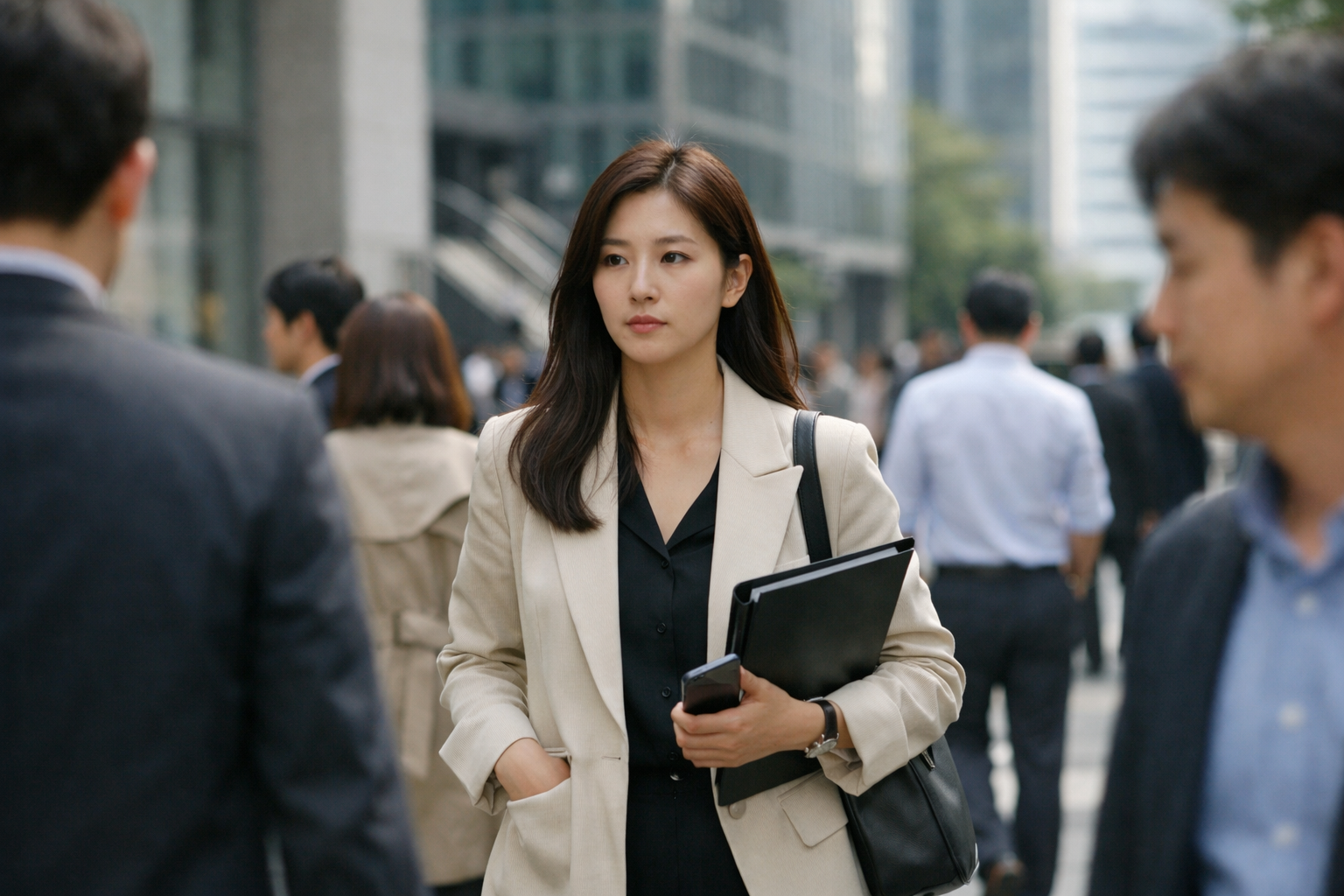
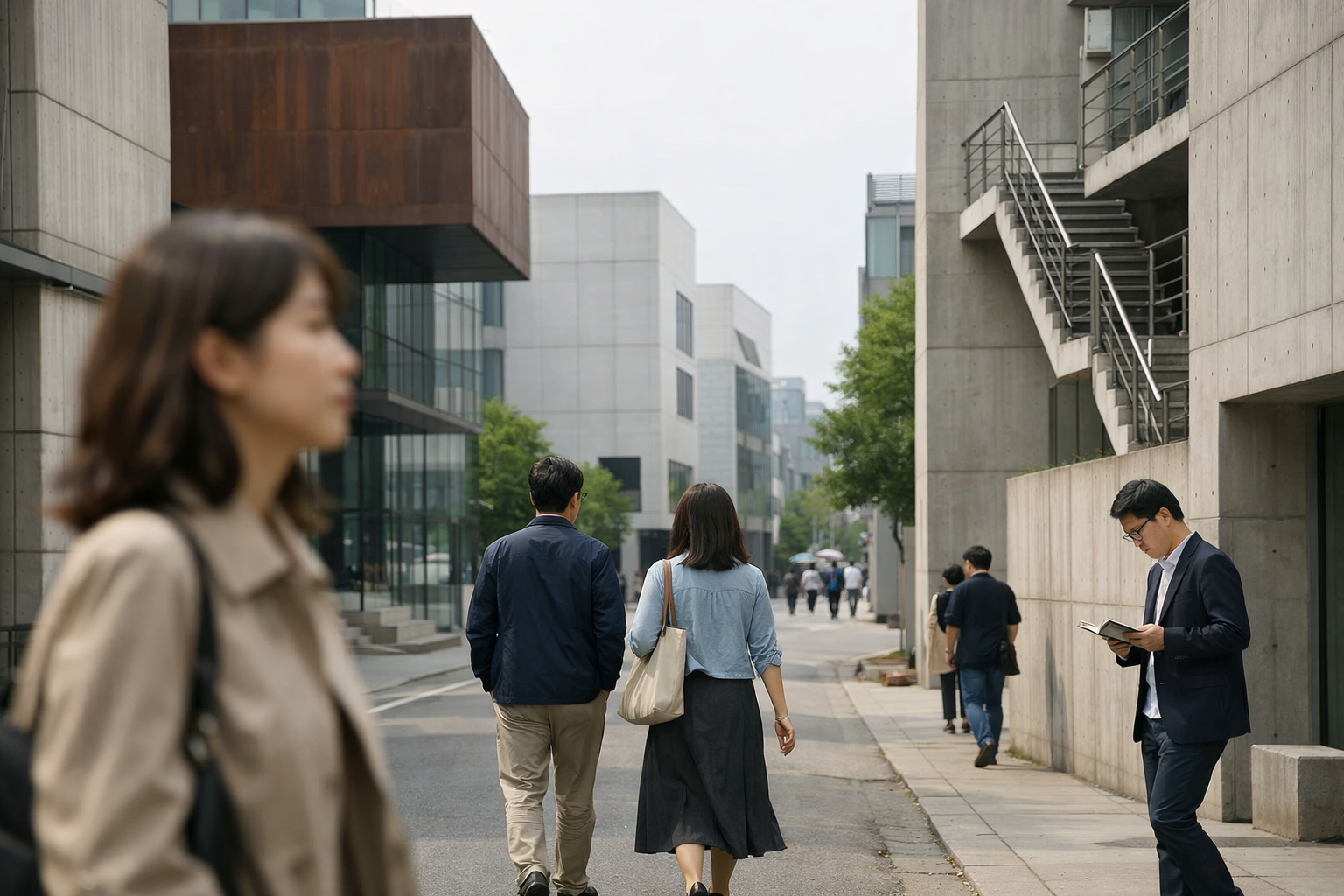
AI-Generated Photorealistic Image — All people, scenes, and details in this image are entirely AI-generated and fictional. Not a real photograph of an actual person or event. 이 이미지는 AI로 생성된 가상 이미지입니다.


Leave a Reply