Table of Contents
Why Korea Can’t Stop Watching Villain Comic Drama
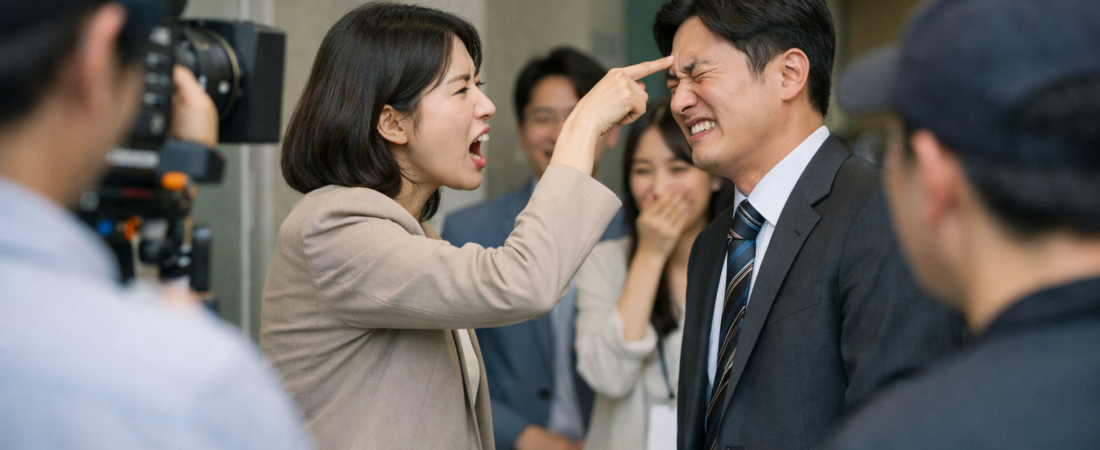
What happens when the bad guy isn’t the scariest person in the room? Right now, Korean television and theater are answering that question with a wave of comic drama built on one simple twist: put a villain next to someone even worse. Audiences are eating it up.
This new comic drama trend puts gangsters, corrupt officials, and scheming villainesses side by side, then dares viewers to laugh. A mobster wants to steal 10 billion won from an apartment building’s repair reserve fund. A wealthy figure uses cash to erase a hit-and-run.
A Joseon-era villainess claws her way toward power through court intrigue. Each story leans on the same trick — make the first bad guy look almost sympathetic once someone worse walks in. That formula is exactly what makes today’s comic drama so addictive.
Inside the New Wave: Apartment, Chairman Kang, and Brave New World
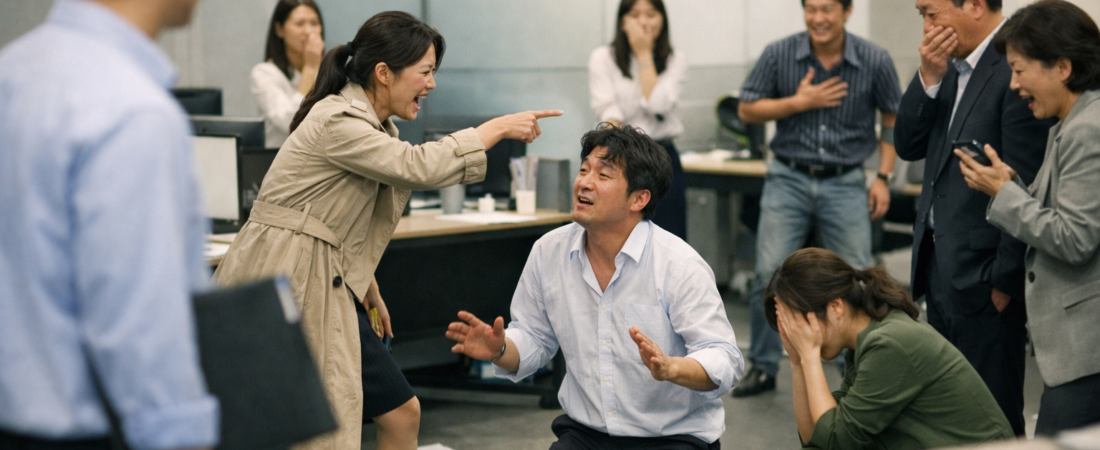
Take the JTBC drama Apartment, currently drawing attention across Korea. The lead character, Park Hae-gang, played by actor Ji Sung, needs 100 million won in bribe money and sets his sights on his building’s jangchanggeum — the long-term repair reserve fund every Korean apartment complex maintains for future maintenance.
Ask any Korean apartment resident about their jangchanggeum and you will likely get a shrug — until someone tries to steal 10 billion won of it, and suddenly the whole neighborhood is glued to the screen. That is the quiet joke buried inside this comic drama: a boring line item on a housing bill becomes the center of a criminal scheme.
Then there is Chairman Kang, another entry in this genre, where a powerful businessman uses his fortune to cover up a hit-and-run accident. Money, not morality, decides who gets punished in his world. Viewers watch him operate, and somehow the story turns his cold calculation into dark comedy.
Meanwhile, Brave New World takes the trend back in time, introducing a scheming villainess from the Joseon dynasty who claws her way closer to the throne. She is dangerous, calculating, and impossible to look away from. Set against real palace intrigue near the seat of power, her character shows that this comic drama trend is not limited to modern settings.
You can read more background on this cultural shift through Kyunghyang Shinmun, which first reported on the pattern. Each of these three works follows the same blueprint. A flawed but almost likable schemer meets a truly ruthless operator, and the contrast does the comedic work.
The Comedy Formula: Why “Worse Villains” Make Great Comic Drama
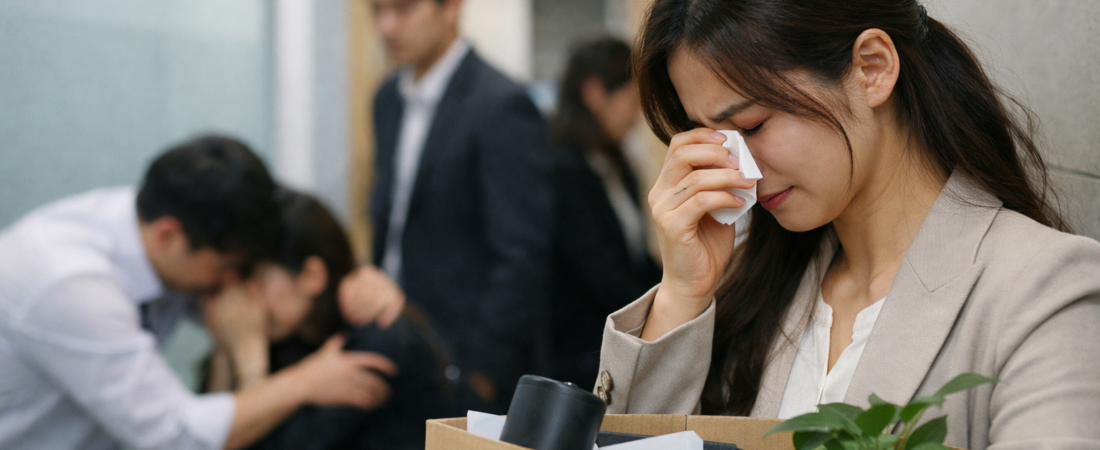
Why does this formula work so well? Comparison is a powerful storytelling tool. When writers place a petty criminal beside a genuinely corrupt power broker, the first character suddenly feels almost relatable.
That contrast creates comic drama’s signature emotional trick — intimacy through comparison. You root for the lesser villain, not because he is good, but because the other guy is worse. It is an old device, but Korean writers are pushing it further than before, with sharper characters and higher stakes.
This is not entirely new territory for Korean storytelling. Traditional Korean mask dance performances, known as talchum, satirized corrupt aristocrats and unfair officials for centuries, using humor to expose social wrongs that ordinary people could not challenge directly.
Today’s comic drama carries on that same instinct. Instead of village dance and mask, writers now use streaming platforms and prestige casting, but the underlying goal is similar. Laughter becomes a way to process anger at real inequality — whether that is corrupt housing management, wealth escaping consequences, or political scheming near the top.
Each new comic drama pushes the villain characters a little further than the last. Audiences seem to want bigger stakes, bolder schemes, and sharper comedic edges every season. That escalation is part of what makes the genre so watchable right now — but it also raises a real question worth sitting with.
Comic Drama’s Dark Side: When Villain Charm Turns Into Villain Worship
Here is the uncomfortable part. When comic drama makes villains funny and charming, does it also make them a little too likable? Some critics in Korea are already raising that concern, and honestly, it deserves a real answer rather than a shrug.
Making a corrupt character relatable is not automatically the same as excusing corruption — the two can be pulled apart if writers stay careful. But the line does get blurry, especially as each new comic drama tries to top the last one with a bigger, badder character. Escalation for its own sake risks turning satire into simple admiration for cleverness, regardless of the harm behind it.
Still, there is a hopeful counterweight here worth naming. The best of these shows do not just glamorize bad behavior — they use comedy as a mirror, letting audiences laugh at greed and corruption precisely so they can recognize it more clearly in real life, whether in an actual apartment complex or in the news. That is not so different from what talchum performers were doing centuries ago, using humor to name a wrong that direct confrontation could not touch.
Human beings have always been drawn to stories about people worse than themselves — it makes our own flaws feel smaller by comparison, and there is real comfort in that kind of shared laughter. But that comfort has a shadow side too, because the same comedy that helps us name corruption can also, if writers grow careless, quietly train us to admire the wrong things. The healthiest version of this comic drama trend keeps both truths in view: laugh at the villain, but never stop noticing what makes him dangerous.
Where does Korean comic drama go from here? Writers will likely keep raising the stakes, because audiences have shown they want it. But the shows that last, rather than fade after one loud season, will probably be the ones that remember comedy works best when it still tells you who the real villain is.
So here is a question worth sitting with as you watch your next episode. When a comic drama makes you laugh at its villain, are you laughing at corruption — or quietly starting to admire it?
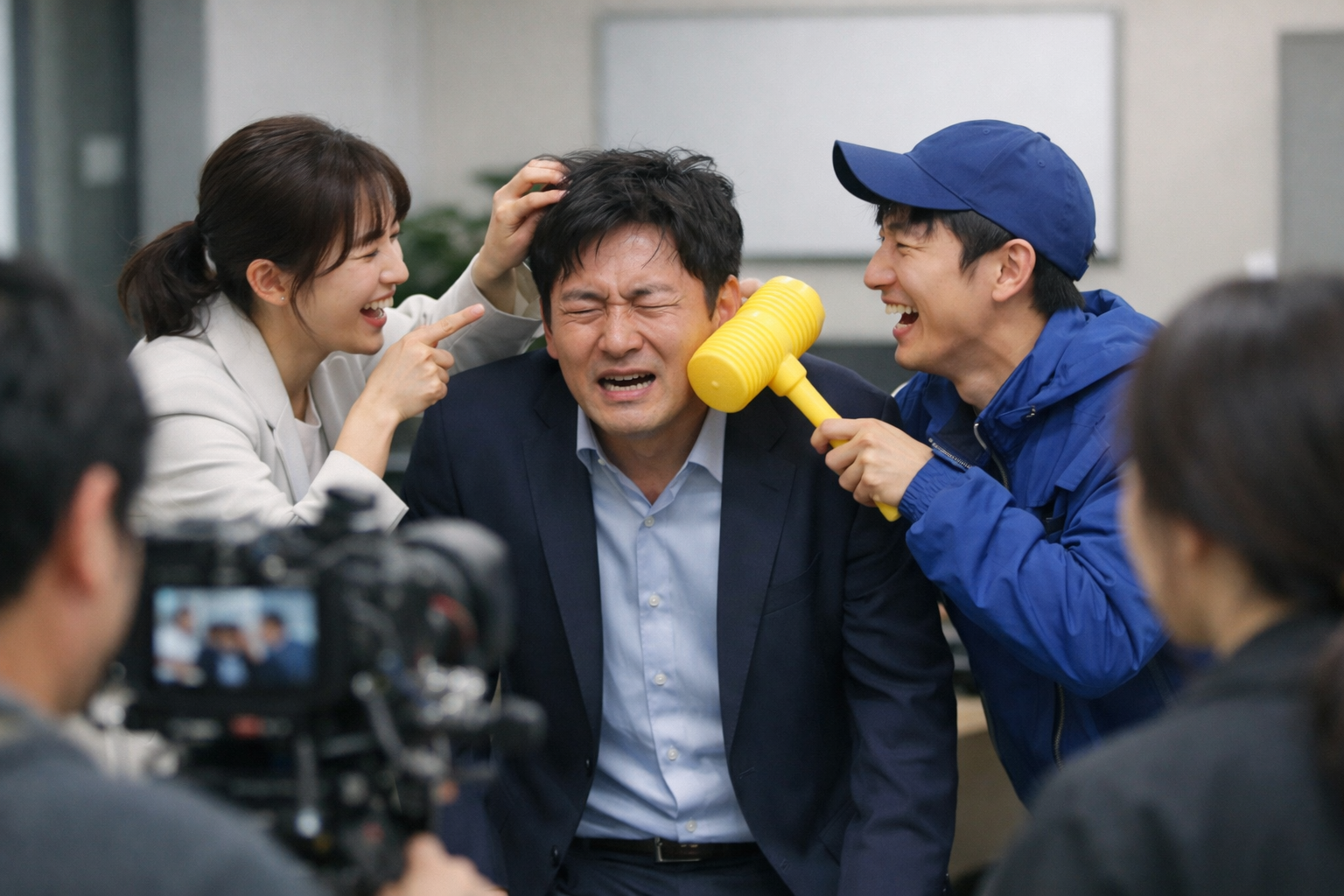
AI-Generated Photorealistic Image — All people, scenes, and details in this image are entirely AI-generated and fictional. Not a real photograph of an actual person or event. 이 이미지는 AI로 생성된 가상 이미지입니다.
Leave a Reply