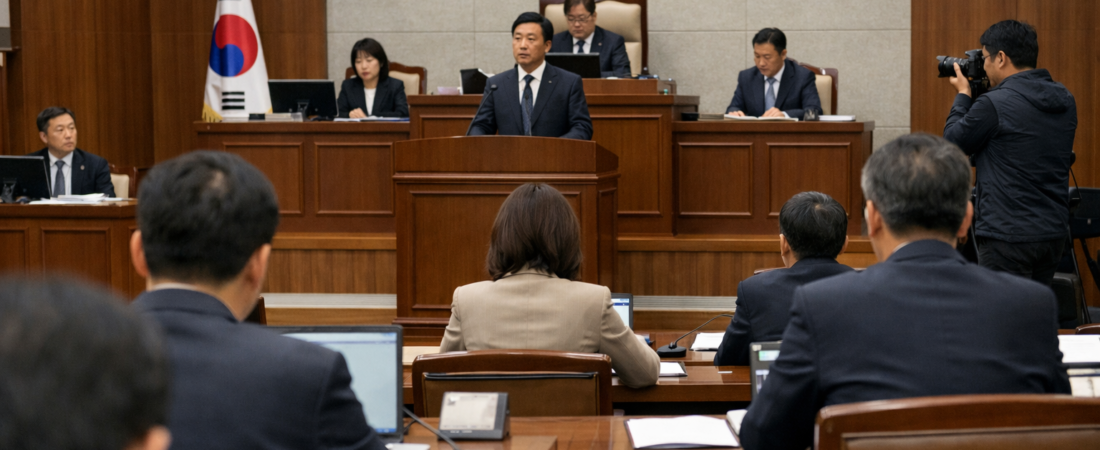
Jeonbuk Special Self-Governing Province Council Confronts a Frozen Arts Fund
Table of Contents
A Fund Stuck at Zero for Four Years
Can a welfare fund help anyone if it never receives a single won? That question sits at the center of a new controversy raised by a member of the Jeonbuk Special Self-Governing Province Council. Kim Seong-su, who represents the Gochang 1 district, released a statement on August 7 calling out a troubling gap in local arts policy.
According to Kim, Jeonbuk Special Self-Governing Province created an Artists’ Welfare Promotion Fund years ago. Yet the fund has held zero won for four consecutive years. Four years of zero funding is consistent, if nothing else — just not in the way anyone hoped.
Kim argues the province never decided whether to actually operate this fund. Without that basic decision, money never moved, programs never launched, and artists never benefited. The Jeonbuk Special Self-Governing Province Council is now pushing the province to explain exactly what happened.
This is not a small technical detail buried in a budget report. It touches thousands of working artists across Jeonbuk who rely on public support to survive between projects. When a safety net exists only on paper, does it protect anyone at all?
Why Artists’ Welfare Funding Matters in Korea
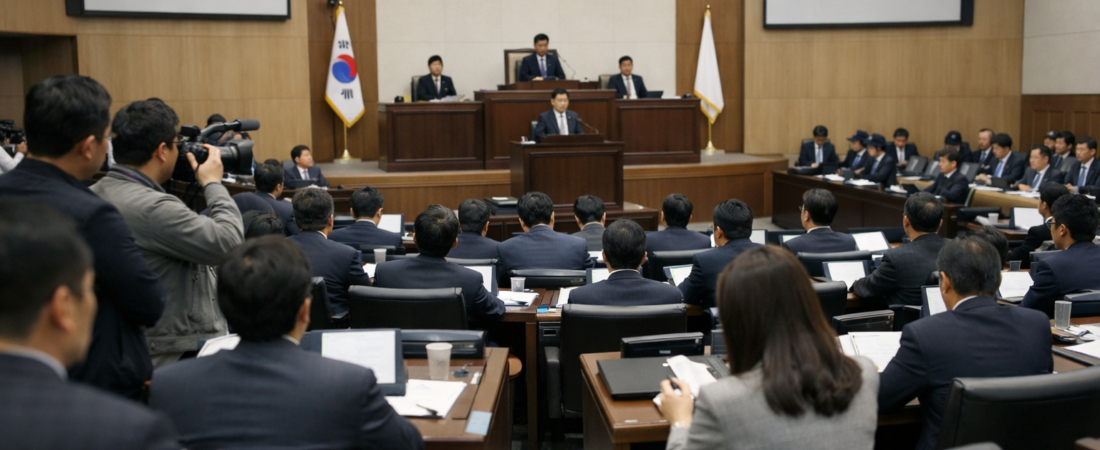
Korea has spent the last decade building a national safety net for artists. The Korea Artists Welfare Foundation, launched in 2012, was created specifically because so many creative workers fell through the cracks of standard labor protection. Painters, musicians, and writers often work as freelancers, without steady paychecks or employer-based insurance.
Local governments were later encouraged to build their own regional funds to supplement this national system. Jeonbuk Special Self-Governing Province followed that trend and established its own Artists’ Welfare Promotion Fund. The idea was simple: give local artists a financial cushion during lean months, medical emergencies, or unexpected gaps in income.
But an idea only works if someone puts it into action. A fund that exists in name only cannot pay medical bills or cover rent. This gap matters even more in Jeonbuk, a province with a strong cultural identity but fewer large arts institutions than Seoul or Busan.
You might wonder how common this problem is across Korea’s provinces. Unfortunately, local welfare funds sitting unused is not a rare story — many regional governments create funds during budget season, then never build the operational structure to actually run them. That structural gap is exactly what the Jeonbuk Special Self-Governing Province Council is now trying to close.
For readers outside Korea, this pattern might sound familiar. Grant programs and relief funds around the world sometimes suffer from the same issue: good intentions, followed by administrative silence. Kim’s statement, reported through Yonhap News Agency, frames this as a design failure rather than a funding shortage.
The Jeonbuk Special Self-Governing Province Council’s Watchdog Role
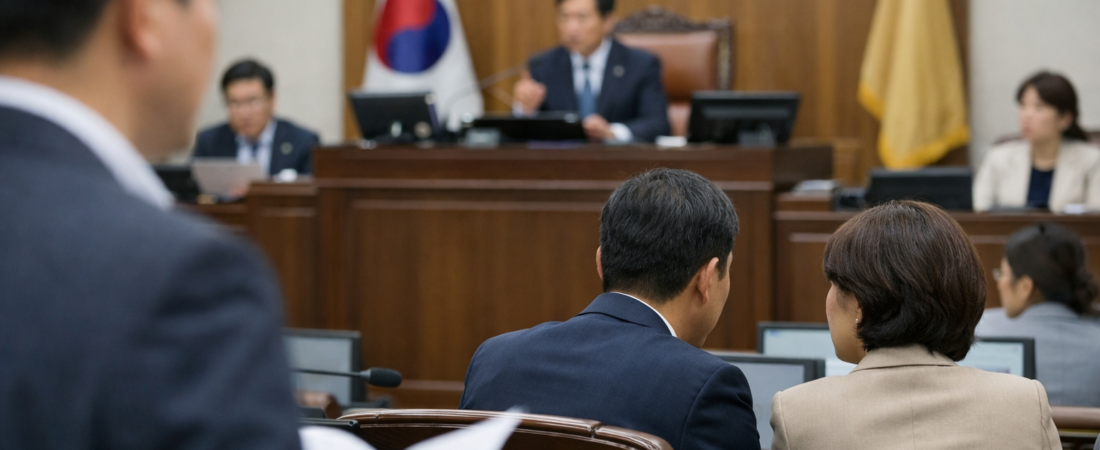
Provincial councils in Korea exist to check exactly this kind of gap between policy and practice. The Jeonbuk Special Self-Governing Province Council reviews budgets, questions department heads, and demands accountability when programs fail to launch. Kim’s statement is a textbook example of that oversight function working as intended.
Kim did not simply criticize the province and move on. He called for a concrete design plan covering how the fund should actually be operated. That includes deciding contribution structures, eligibility rules, and disbursement methods — the practical machinery that turns a fund from a line item into real support.
Why does this level of detail matter so much? Because vague promises rarely survive contact with a real budget cycle. Council members like Kim serve a crucial translation role, turning abstract welfare goals into specific administrative steps that provincial offices must actually follow.
This case also reflects a broader shift in Korean local politics. As provinces like Jeonbuk gain special self-governing status, expectations for transparent, functioning local government rise alongside that new authority. The Jeonbuk Special Self-Governing Province Council now carries more responsibility to prove that self-governance delivers real results, not just a new title on the map.
What Comes Next for Local Arts Policy
So what happens now that this gap is public? Provincial officials will likely face direct questions in upcoming council sessions about the fund’s four-year silence. Kim’s statement puts pressure on Jeonbuk Special Self-Governing Province to either activate the fund quickly or explain why it should be restructured entirely.
This moment also raises a bigger question about how Korea supports creative workers at the regional level. National programs get headlines, but local funds are often where individual artists feel the most direct impact. A working artist in Gochang or Jeonju does not benefit from a Seoul-based welfare program the same way they would from local, accessible support.
There is something honest worth sitting with here. Public systems built to protect vulnerable workers sometimes fail not from bad intent, but from unfinished follow-through — a gap between announcing a program and actually running it. That gap deserves clear naming, because artists who quietly absorb financial risk year after year carry a real cost that rarely makes headlines.
Yet the same council session that exposed this failure also shows the corrective path already in motion. A single elected official asking hard questions, backed by public records and a specific policy demand, is exactly how stalled systems start moving again. Local governance works best not when everything runs perfectly, but when someone is willing to point at the zero on the ledger and insist it change.
Looking ahead, the real test is whether the Jeonbuk Special Self-Governing Province Council can convert this attention into an actual operating plan within the next budget cycle. Korea’s broader push toward stronger artist welfare depends on these smaller, less visible local decisions succeeding. What do you think — should local governments face stricter deadlines for activating funds they’ve already created?
AI-Generated Photorealistic Image — All people, scenes, and details in this image are entirely AI-generated and fictional. Not a real photograph of an actual person or event. 이 이미지는 AI로 생성된 가상 이미지입니다.

Leave a Reply