Table of Contents
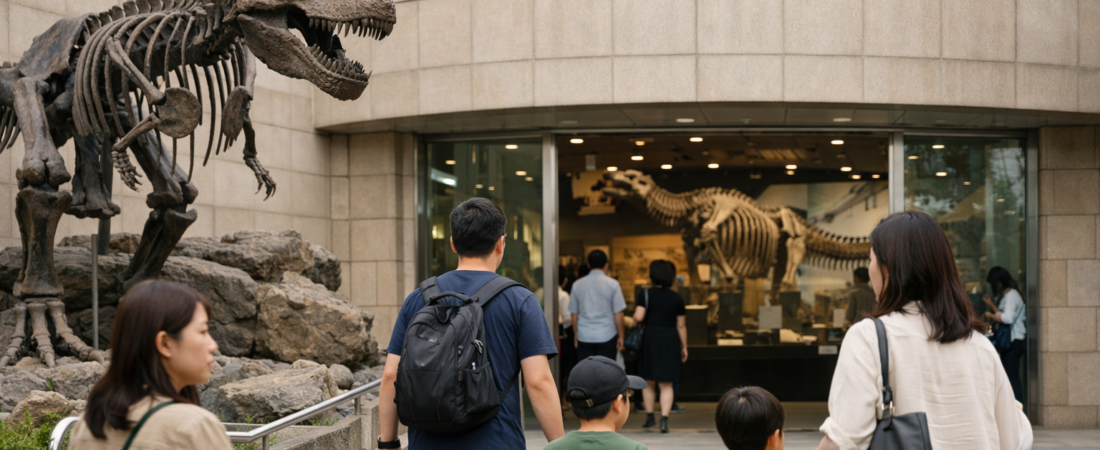
Have you ever wanted to watch a meteor shower but couldn’t find a dark enough sky? This week, the Seodaemun Museum of Natural History in Seoul is solving that problem for you. On August 12 and 13, the museum will livestream the peak of the Perseid meteor shower directly to your screen.
No mountain hike required. No 3 a.m. alarm in a random field. Just you, your device, and a front-row seat to one of the sky’s most reliable summer shows.
A Shooting Star Show You Can Watch From Home
The Perseid meteor shower is one of the most famous annual events in the night sky. It happens every August, when Earth passes through debris left behind by a comet.
This year, the peak falls on the nights of August 12 and 13. The Seodaemun Museum of Natural History decided to bring that moment straight into Korean living rooms.
Isn’t it strange how something happening millions of miles away can feel personal? A livestream makes distant space feel a little closer to home.
The museum, run under Seodaemun District and its head, Park Woon-gi, has framed this broadcast as a public service. Weather and viewing conditions will affect what viewers actually see, so the museum has asked citizens to check its live broadcast guidelines before tuning in.
Why the Seodaemun Museum of Natural History Chose This Moment
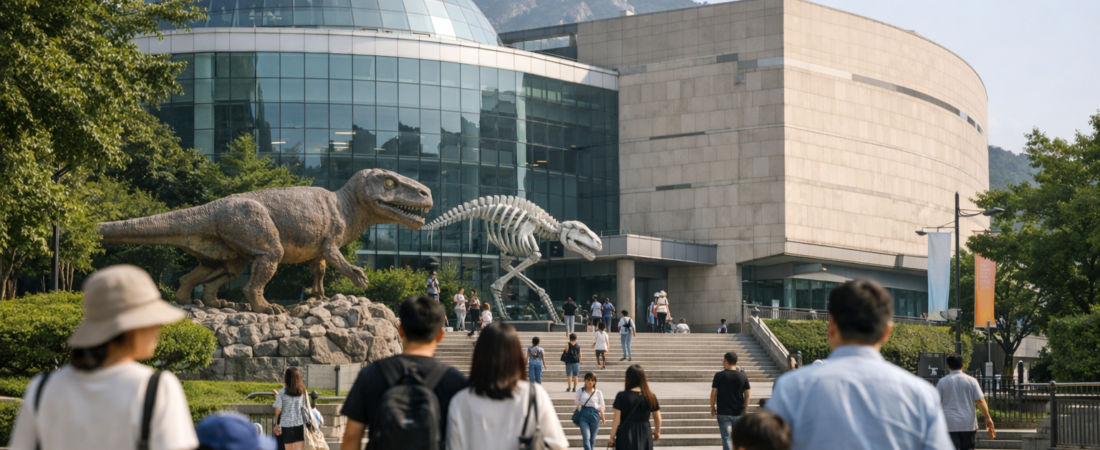
Why does a natural history museum care about meteors? Because astronomy and natural history have always been close cousins in how we understand our world.
The Seodaemun Museum of Natural History has long positioned itself as a bridge between scientific curiosity and everyday city life. Seoul is a bright, crowded capital, and light pollution makes real stargazing nearly impossible for most residents.
So instead of asking people to escape the city, the museum brought the sky to them. That is a clever workaround, and honestly, a bit of a mood shift for a metropolis known more for neon signs than starlight.
You could call it astronomy delivered to your doorstep — no travel bag required.
Making Astronomy Accessible to Every Household
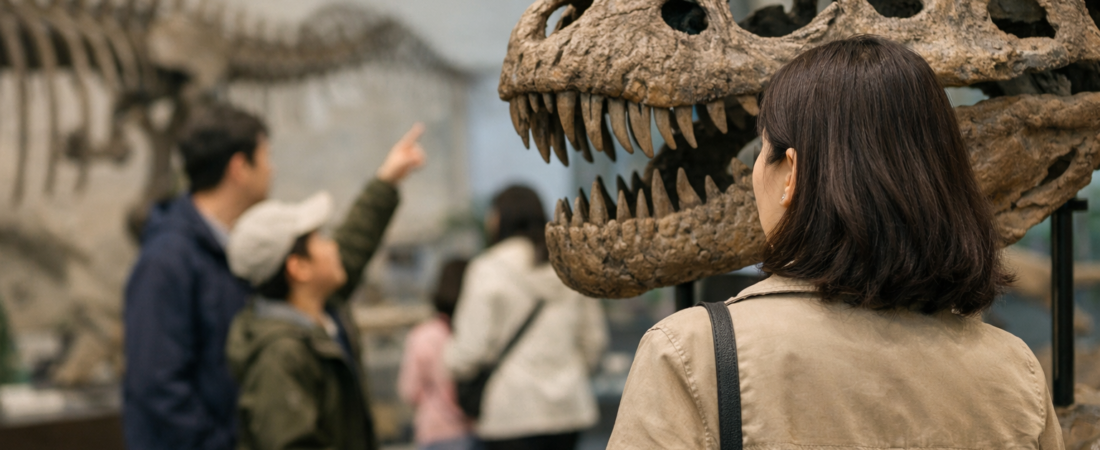
Public interest in astronomy tends to spike during major celestial events. But interest alone doesn’t guarantee access, especially for families without cars, elderly citizens, or people working night shifts.
The Seodaemun Museum of Natural History livestream removes several barriers at once. You don’t need special equipment, a rural location, or even clear skies near your own home.
This matters more than it might seem at first glance. Science literacy grows when experiences feel personal, not distant or reserved for experts.
For more background on the Perseid meteor shower and how meteor showers form, readers can consult Yonhap News Agency. The museum’s approach reflects a broader trend in Korean public institutions: using technology to widen, rather than narrow, who gets to participate in scientific culture.
What This Broadcast Means for Korea’s Culture of Public Science
There’s something quietly moving about a city government choosing to broadcast the night sky. It says something about what a community decides is worth sharing.
Public museums often face real limits — funding gaps, small staffs, and competing priorities that make ambitious programming hard to sustain. Yet initiatives like this one from the Seodaemun Museum of Natural History show a workable path forward: pairing modest resources with simple, accessible technology to reach people who would otherwise be left out.
That is not a perfect solution to every gap in public science access, but it is a real one. It reminds us that wonder doesn’t require wealth or a perfect location, just a willingness to look up and share what you see.
There is also a quieter tension worth naming. Watching a meteor shower through a screen is not the same as standing under an open sky, feeling small in a good way.
Something is gained in accessibility, and something is gently lost in immediacy. Perhaps that trade is simply part of living in a dense, modern city, and the museum’s effort is less about replacing the real sky than about keeping people curious enough to eventually seek it out themselves.
Meteor showers return every year, but our attention rarely does. Maybe this livestream is less about the stars and more about giving people a reason to pause, together, on a summer night.
What would it take for you to look up at the sky more often, screen or no screen?
AI-Generated Photorealistic Image — All people, scenes, and details in this image are entirely AI-generated and fictional. Not a real photograph of an actual person or event. 이 이미지는 AI로 생성된 가상 이미지입니다.



Leave a Reply