Table of Contents
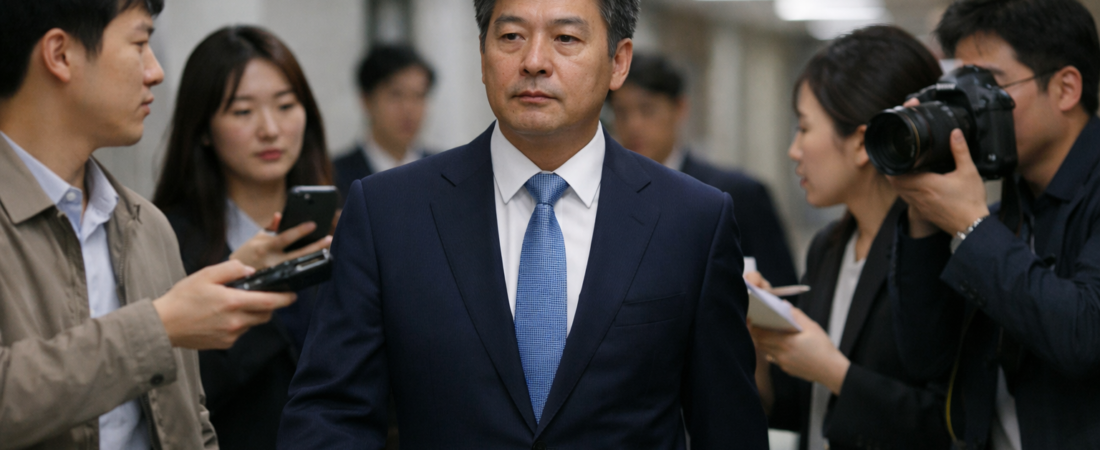
Can a government meeting actually change an artist’s daily life? That question sat at the center of a gathering in Seoul this week, led by Culture Minister Choi Whi-young.
On August 12, Choi Whi-young sat down with young culture and arts workers at Art Korea Lab in Jongno-gu, Seoul. He wanted to hear their concerns directly, not through reports or surveys. This kind of face-to-face listening session matters more than you might think.
Why Choi Whi-young Met Young Artists in Seoul
Choi Whi-young serves as South Korea’s Minister of Culture, Sports and Tourism. His job involves shaping policy for everything from museums to K-pop exports. But this particular meeting focused on something smaller and more personal: the everyday worries of young artists trying to survive.
Why does this matter to you, even if you live far from Korea? Because Korea’s creative industries — film, music, design, visual art — increasingly shape global culture. If the people making that culture are struggling, the ripple effects reach audiences everywhere.
Choi Whi-young organized this event with a clear goal. He wanted young artists’ concerns to feed directly into cultural policy. That’s a simple idea, but it’s not always how government works.
Inside the Art Korea Lab Meeting
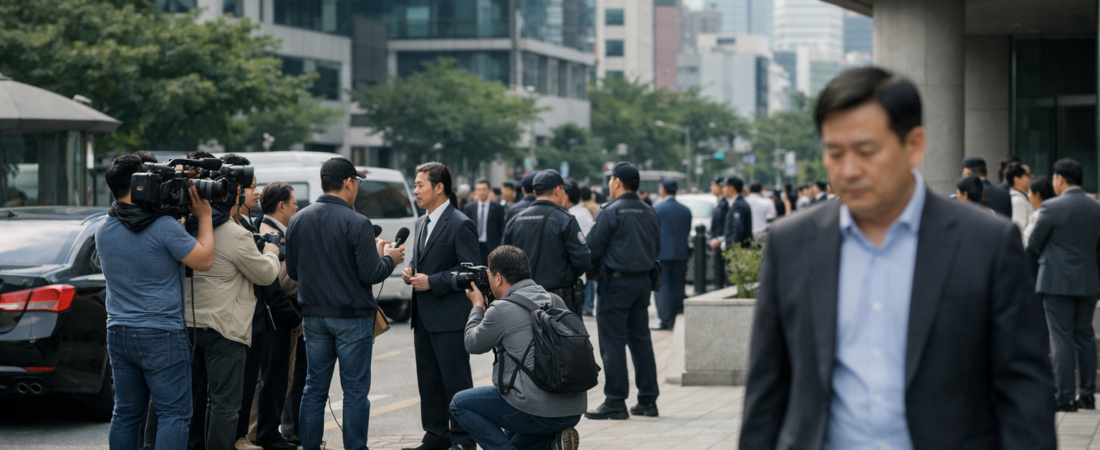
Art Korea Lab isn’t just any building. It functions as a support hub for emerging artists in Seoul, offering studio space and mentorship. Choosing this venue sent a message — Choi Whi-young wanted to meet artists on their own turf, not in a formal ministry conference room.
The event brought together young painters, musicians, performers, and other creative workers. Each shared frustrations they face in the current system. Grant applications, unstable income, and limited exhibition opportunities came up repeatedly.
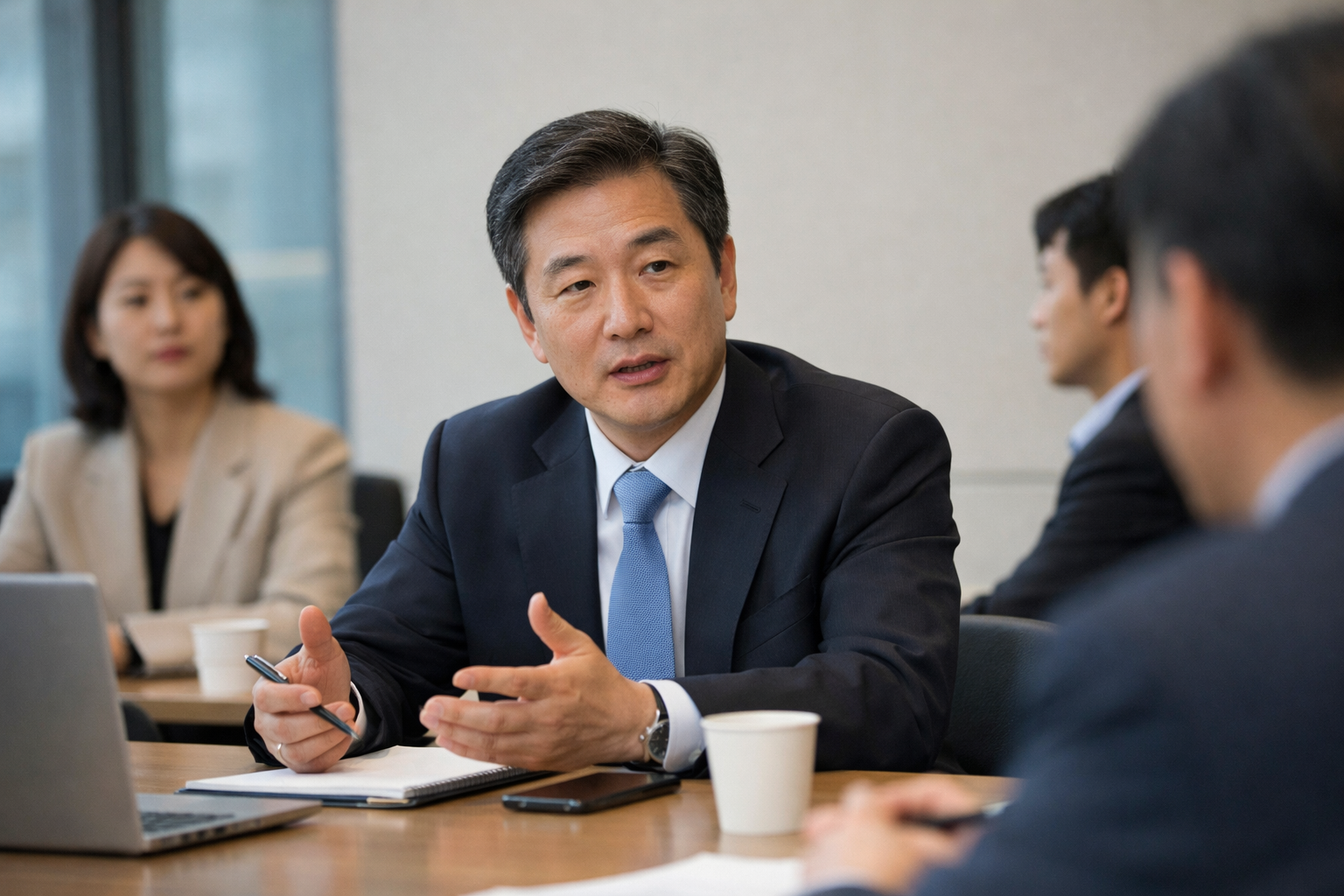
Choi Whi-young reportedly listened more than he spoke. That’s worth noting, isn’t it? A minister who asks questions instead of delivering a speech signals something different about how this administration wants to operate.
You can read more background on Korea’s cultural ministry initiatives through Yonhap News Agency, the original source covering this event.
Young Artists’ Real Struggles in Korea
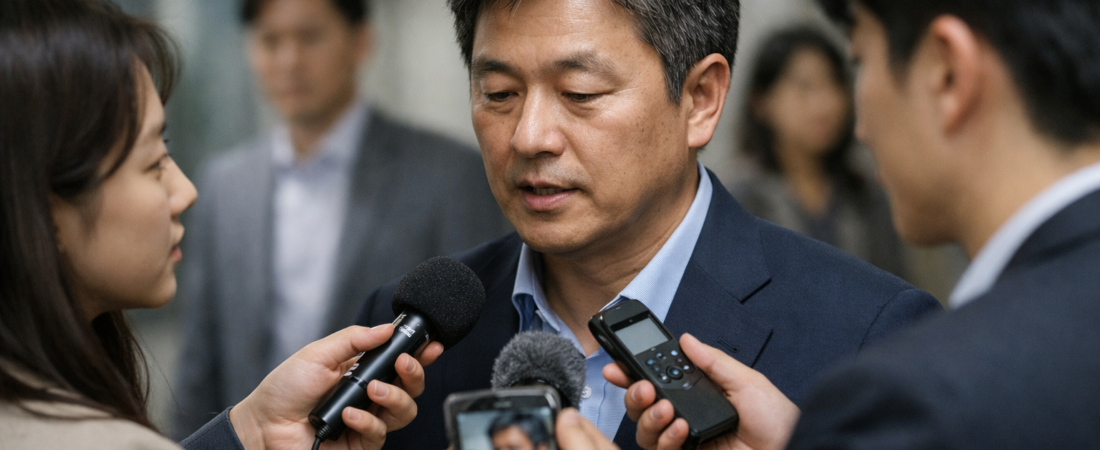
What does it actually feel like to be a young artist in Korea today? Many face a familiar trio of problems: low pay, short-term contracts, and fierce competition for limited spots. Seoul’s art scene looks vibrant from the outside — but inside, many creators quietly struggle to pay rent.
Korea’s arts funding system has improved over the past decade. Programs supporting first-time exhibitions and debut albums exist now that didn’t a generation ago. Still, young artists often describe these programs as too narrow, too competitive, or too slow to adapt to real needs.
Choi Whi-young’s meeting aimed to surface exactly these gaps. Think about it this way: policy written in an office rarely matches the messiness of an actual career in the arts. That’s precisely why direct dialogue, like this Art Korea Lab session, carries weight beyond its short runtime.
Korea has a long tradition of state support for culture, dating back to postwar reconstruction efforts. But young creators today navigate a digital, globalized market their predecessors never faced. Streaming platforms, social media algorithms, and international audiences all reshape what “success” even means for a young Korean artist.
What This Means for Korea’s Cultural Policy Future
So where does this leave Korea’s cultural policy going forward? Choi Whi-young’s approach suggests a shift toward listening-first governance, at least in the arts sector. Whether that translates into actual budget changes remains the real test.
It’s worth being honest here. Government meetings can produce warm photos and good intentions without real structural change — Korea’s arts community has heard promises before, and skepticism is fair. But there are genuine signs of movement too: expanded youth arts grants in recent years, new studio-sharing spaces like Art Korea Lab itself, and a ministry now actively seeking artist input rather than issuing top-down directives.
Human creativity has always needed both freedom and support to survive difficult seasons. Young Korean artists show remarkable persistence, often building community and mutual support even when institutions fall short. Yet that same resilience can mask real exhaustion, and quiet struggle shouldn’t be mistaken for stability just because people keep showing up and creating anyway.
Korea’s tradition of collective care — sharing studios, mentoring juniors, pooling resources — offers a genuine model worth studying elsewhere. It also reflects something universal: people supporting one another rarely need a headline to matter. Choi Whi-young’s meeting, small as it looks, taps into that same instinct toward mutual repair.
What comes next for Korea’s young artists? If Choi Whi-young follows through, concrete policy changes may emerge within the next budget cycle. (And if Seoul’s art scene teaches us anything, it’s that persistence — much like kimchi — tends to improve with time and the right conditions.)
The real measure will be whether young artists feel heard a year from now, not just this week. Do you think direct dialogue between officials and young creators can actually reshape cultural policy, or does real change require something bigger?
AI-Generated Photorealistic Image — All people, scenes, and details in this image are entirely AI-generated and fictional. Not a real photograph of an actual person or event. 이 이미지는 AI로 생성된 가상 이미지입니다.
Leave a Reply