Table of Contents
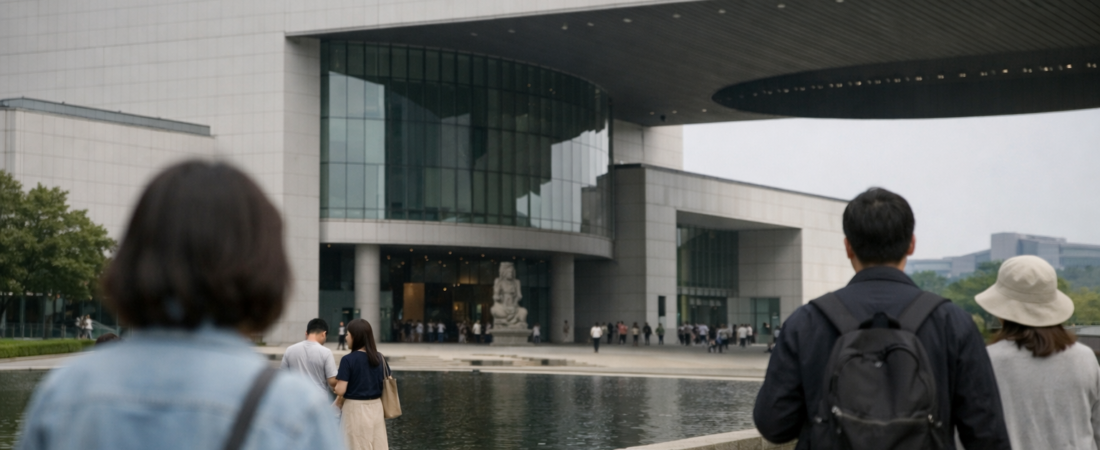
What happens when a museum honors the wrong man by mistake? That question is now facing the National Museum of Korea, one of the country’s most respected cultural institutions. It just pulled artifacts from display after realizing they might belong to a completely different person with the same name.
This is not a small clerical slip. The artifacts were tied to a name once celebrated as a patriotic figure. Now that same name may belong to someone remembered for collaborating with Japan during colonial rule.
A Museum Mix-Up Comes to Light
The National Museum of Korea had been displaying items connected to a man named Park Won-geun, who lived from 1912 to 1950. He was presented as a patriotic figure, someone who resisted Japanese colonial rule. Visitors walked past his artifacts believing they were honoring a hero.
Then researchers raised a troubling possibility. There may have been another Park Won-geun, born around the same era, who was classified as a pro-Japanese collaborator. Two men, same name, wildly different legacies.
Journalist Kim Ye-na first reported this story for Yonhap News Agency on August 12, 2026. You can find the original coverage through Yonhap News Agency. The National Museum of Korea moved quickly once the concern surfaced, removing the disputed items rather than risk misleading the public.
Have you ever mixed up two people with the same name at a family reunion? Now imagine that mistake sitting inside a national exhibit for years. That is roughly the scale of the problem the museum is now trying to untangle.
Two Men, One Name: The Confusion Explained
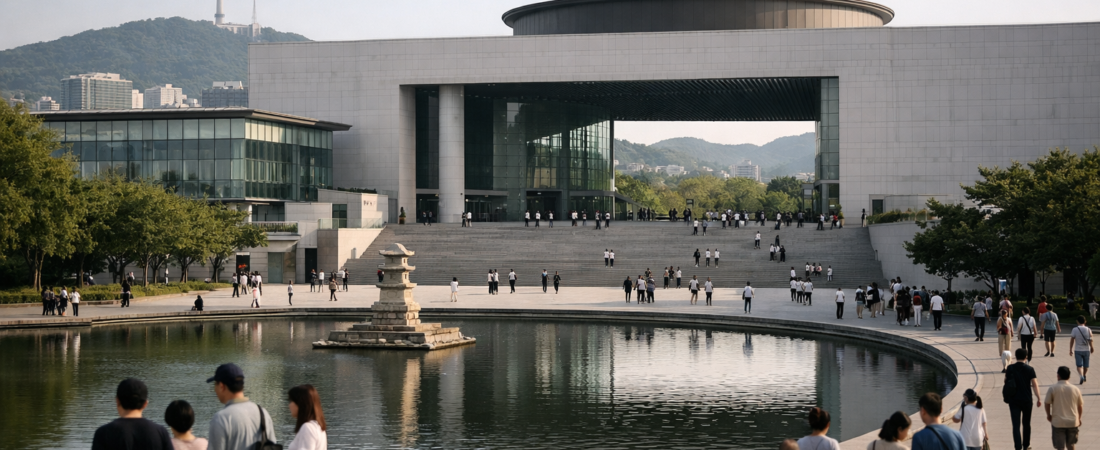
Korea’s turbulent early 20th century created many overlapping life stories. Names like Park Won-geun were common. So common, in fact, that historians sometimes struggle to separate one biography from another.
One Park Won-geun reportedly resisted Japanese rule and paid a price for it. This is the man the National Museum of Korea intended to honor. The artifacts, letters, and personal items were meant to preserve his memory as an independence figure.
But another man carrying the exact same name has been classified differently. Government commissions in Korea have spent years documenting individuals who collaborated with Japanese colonial authorities between 1910 and 1945. If the artifacts actually trace back to this second man, the museum’s original narrative collapses entirely.
How do experts even begin sorting this out? They look at handwriting samples, family records, dates, and documented locations. The National Museum of Korea now faces exactly this kind of detective work, checking provenance records against known biographical details for both men.
This is not the first time Korea has confronted the messy legacy of the colonial period. Family lines were disrupted, records were destroyed, and personal reputations were sometimes rewritten depending on who controlled the historical narrative afterward. Untangling one name from another, decades later, is a small window into a much larger national reckoning.
Why the National Museum of Korea Acted Fast
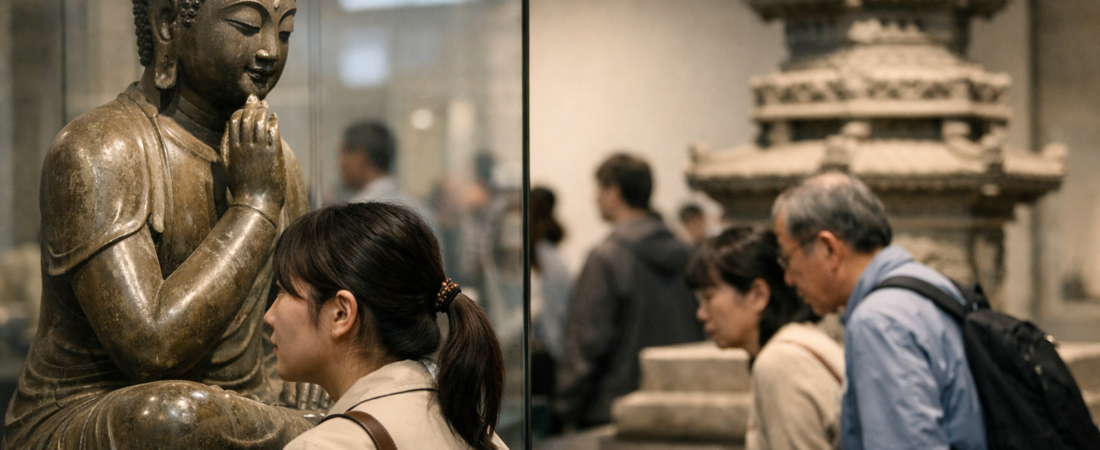
Why pull the artifacts before confirming anything? Because getting this wrong publicly would be far worse than a temporary gap in the exhibit. The National Museum of Korea chose caution over convenience.
Displaying a collaborator’s belongings under the label of “patriotic figure” would be a serious historical error. It would also be deeply insulting to families of genuine independence activists. The museum’s swift decision reflects an institutional awareness of just how sensitive this history remains in Korea.
The plan now involves reconfirming the true owner and the original source of the items. Only after that verification will the National Museum of Korea decide whether to restore the exhibit. This process could take weeks or months, depending on how deep the documentation trail goes.
Think about how many other exhibits, in museums anywhere in the world, rest on assumptions nobody has double-checked recently. Provenance research is slow, unglamorous work. But cases like this show exactly why it matters, especially when a nation’s own moral memory is on the line.
South Korea has invested heavily in identifying pro-Japanese collaborators through official historical commissions established in the 2000s. These commissions compiled lists and reports specifically to prevent history from blurring these two very different kinds of legacies. The National Museum of Korea’s current review taps directly into that broader, ongoing national effort.
What This Means for Historical Trust in Korea
Museums are supposed to be places we trust without question. This incident is a quiet reminder that even trusted institutions can inherit errors from decades past, long before current staff ever touched the collection.
That is worth sitting with honestly. Korea’s colonial-era record keeping was chaotic, sometimes deliberately falsified, and often incomplete by the time later generations tried to reconstruct it. A single shared name can carry the weight of two opposite moral stories, and no museum can be blamed for inheriting that tangle.
Yet there is real hope in how this case is unfolding right now. The National Museum of Korea did not bury the concern or quietly leave the display up. It paused, admitted uncertainty, and committed to verification before restoring anything to public view.
That kind of institutional humility is not small. It suggests Korea’s cultural institutions are becoming more willing to correct the historical record even when doing so is uncomfortable, rather than protecting a tidy but possibly false narrative.
So where does this leave visitors who walked past those artifacts believing one story, only to learn it might be another entirely? Probably a little unsettled, and that is a fair reaction. But museums that are willing to pause, question themselves, and dig back into the archives are doing exactly what good historical stewardship looks like (even if it means an awkward, empty display case for a while).
Korea’s relationship with its colonial past is still evolving, case by case, name by name. The National Museum of Korea’s decision here is a small but meaningful data point in that longer story. What do you think institutions owe the public when history turns out to be more complicated than the label on display?
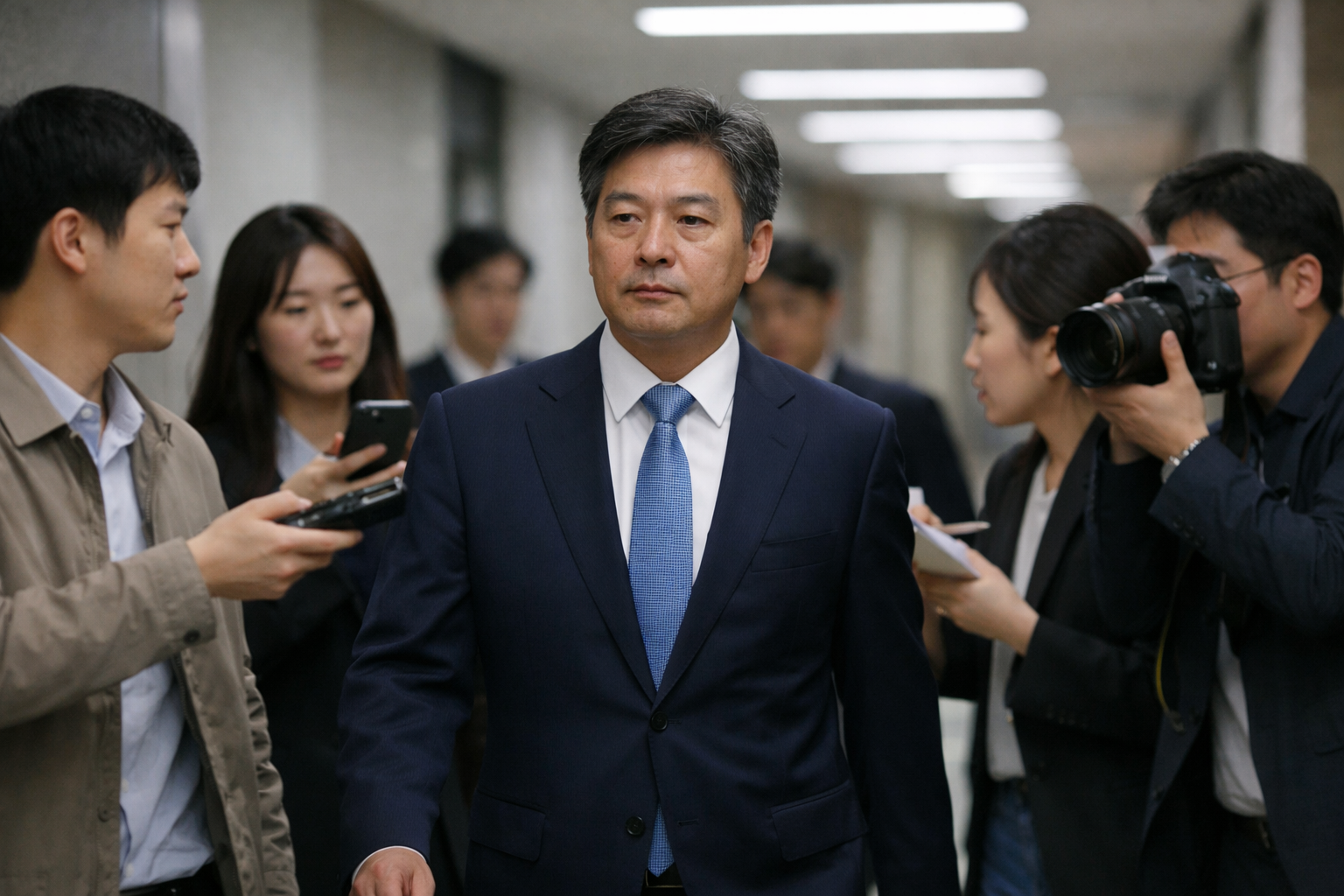
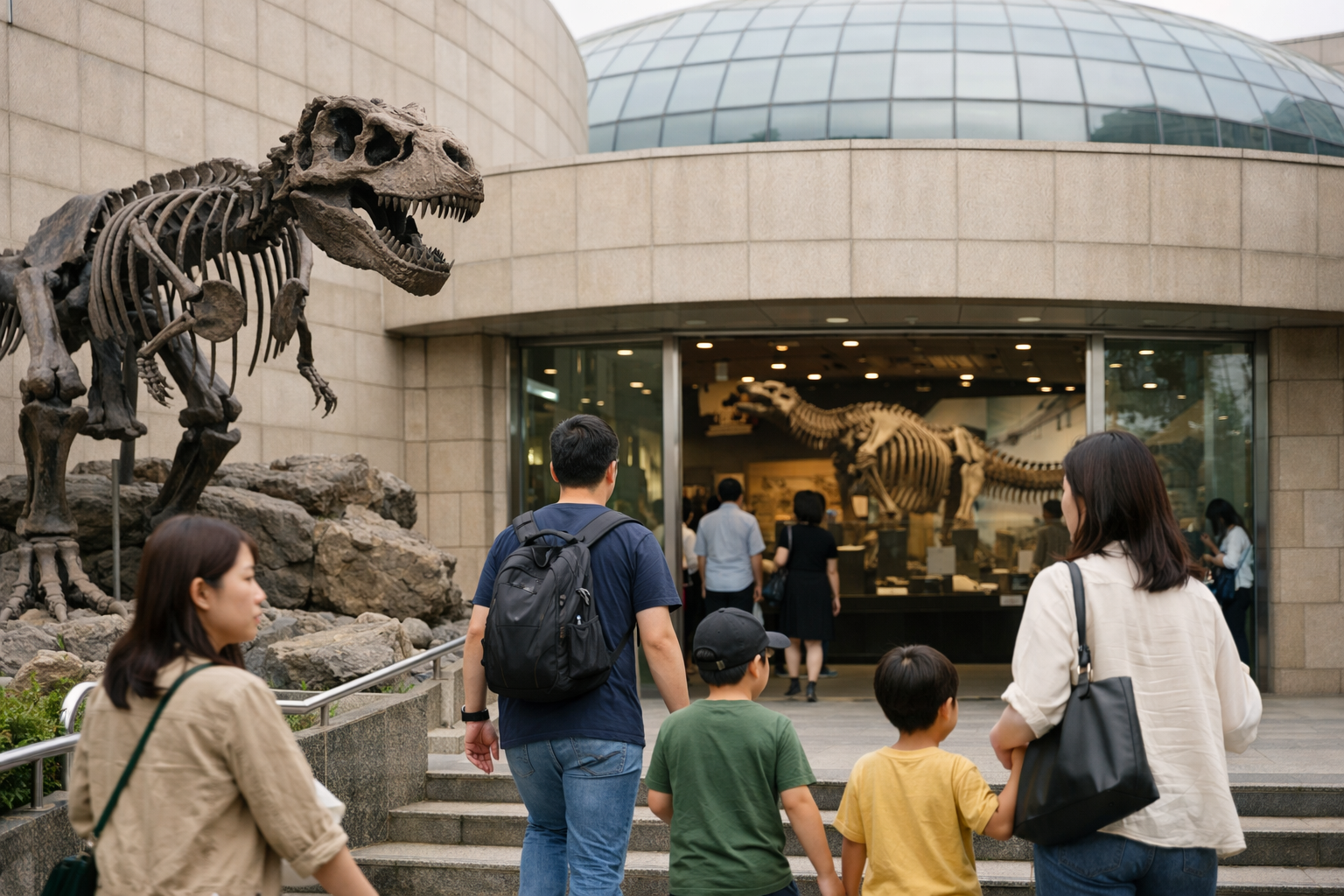
AI-Generated Photorealistic Image — All people, scenes, and details in this image are entirely AI-generated and fictional. Not a real photograph of an actual person or event. 이 이미지는 AI로 생성된 가상 이미지입니다.
Leave a Reply