Table of Contents
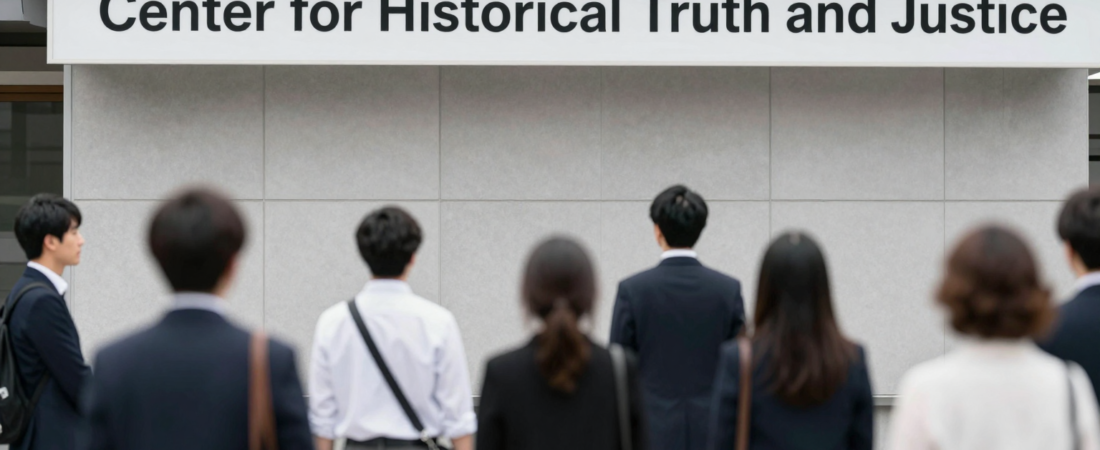
Can two weeks of exhibits actually change how a country remembers its past? That’s the question behind a new event from the Center for Historical Truth and Justice (Minjok Munje Yeonguso), Korea’s leading research institute on colonial-era history. Starting August 15, this group and the Museum of Korean History marking Japanese colonial rule are launching a special two-week program called “2026 Memory and Reflection.”
You might not think of a museum program as urgent news. But this one lands on Korea’s 81st anniversary of liberation from Japanese colonial rule, and timing matters here.
What Is Happening This August
The Center for Historical Truth and Justice, working alongside the Museum of Korean History under Japanese Colonial Rule, will run “2026 Memory and Reflection” from August 15 to August 29. That’s a full two weeks of exhibitions, talks, and public programs. The organizers want visitors to think seriously about what Liberation Day actually represents.
Details on individual sessions are still emerging, but the framework is clear enough. Expect a mix of curated exhibits, guided programs, and public discussions centered on colonial-era memory. The Center for Historical Truth and Justice has a long track record of organizing these kinds of public history events around August 15 each year, so this fits an established pattern rather than a one-off gesture.
Why two full weeks instead of a single ceremony? A single-day event can feel like a formality, checked off and forgotten by evening. A two-week window, by contrast, invites repeat visits, school groups, and casual walk-ins who might never attend a scheduled ceremony but will wander into an open exhibit.
Who Is the Center for Historical Truth and Justice
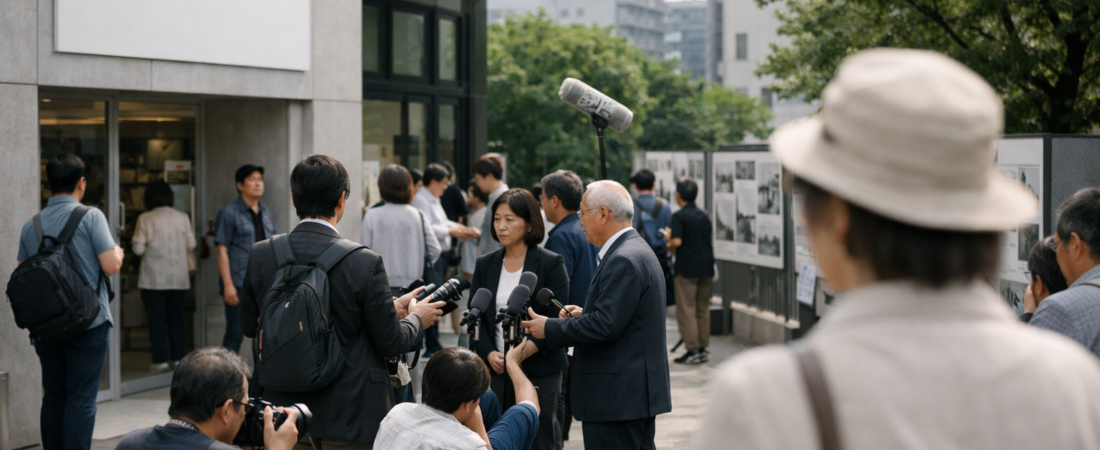
If you’re new to Korean history circles, the Center for Historical Truth and Justice deserves some introduction. Founded in 1991, this organization has spent over three decades researching Korea’s colonial period, from 1910 to 1945. Its work often focuses on documenting collaboration with Japanese colonial authorities, a topic that remains politically sensitive in Korea even today.
The Center for Historical Truth and Justice also operates the Museum of Korean History under Japanese Colonial Rule, a dedicated space for public education on this era. Unlike government-run museums, this institute has historically positioned itself as an independent watchdog on historical memory. That independence has made it both respected and, at times, controversial.
Why does an independent research group matter more than a government agency here? Because memory work often needs distance from political power to stay credible. When the same government that once suppressed dissent also controls the narrative about its own past, gaps and blind spots tend to appear. Groups like the Center for Historical Truth and Justice exist precisely to fill those gaps, and you can learn more about ongoing developments through Yonhap News Agency.
Why Liberation Day Still Matters
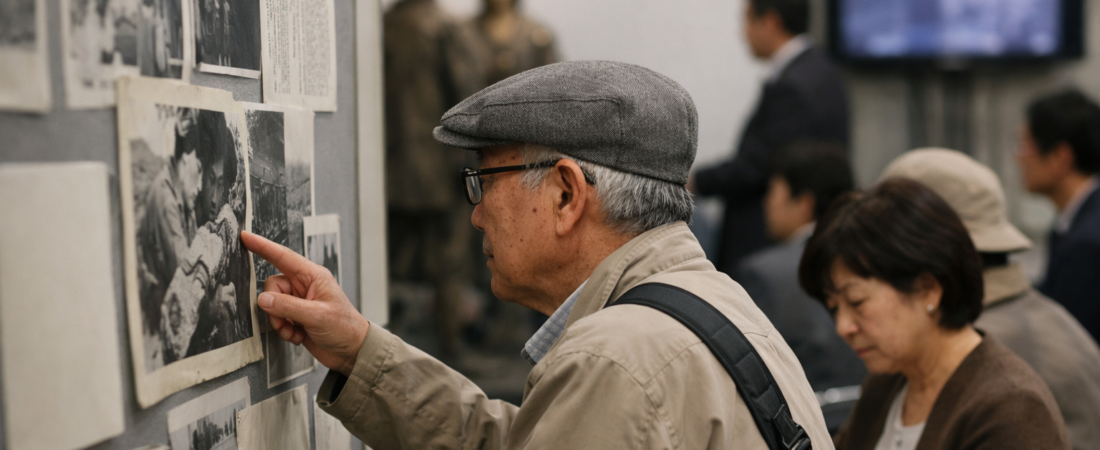
Liberation Day, or Gwangbokjeol, marks Korea’s release from 35 years of Japanese colonial rule in 1945. For many Western readers, this might feel like distant history. But for Korean families, colonial memory often sits just two or three generations back.
Think about it this way: imagine if your grandparents had lived under foreign occupation, forbidden from speaking their own language in schools. That’s not an abstract exercise for many Koreans reading this today. It’s a lived family story, passed down at dinner tables rather than found only in textbooks.
This is exactly why events like “2026 Memory and Reflection” carry weight beyond academic circles. They connect personal family history to national identity. And they ask a harder question too: how should a modern, wealthy, globally connected Korea relate to a painful chapter that shaped its very existence?
Remembering History in a Changing Korea
Here’s where things get genuinely complicated. Korean society doesn’t agree on how much attention colonial history deserves in 2026. Some argue for constant vigilance, warning that forgetting invites repetition of past injustices. Others argue that younger generations, focused on careers and global opportunity, feel disconnected from a struggle their great-grandparents endured.
Both views deserve respect, and both carry a partial truth. A society that never revisits its wounds risks minimizing real suffering and letting historical distortion take root unchallenged. Yet a society that only fixates on grievance can also struggle to imagine a hopeful, forward-facing future.
What gives me hope, though, is exactly what programs like this one attempt to do. They don’t demand outrage or guilt. They simply open a door, invite reflection, and trust visitors to draw their own conclusions.
That trust in ordinary people, rather than in mandated narratives, feels like a quietly mature approach to painful history. It acknowledges that healing rarely comes from forgetting, but it also resists turning memory into permanent grievance. The Center for Historical Truth and Justice, in choosing dialogue over decree, seems to understand that dignity and honesty can coexist with hope for what comes next.
Korea’s relationship with its colonial past will likely keep evolving as new generations take the lead. Programs like this one, however modest in size, shape how that evolution unfolds. What do you think Korea’s younger generation owes to the memory of colonial history?
AI-Generated Photorealistic Image — All people, scenes, and details in this image are entirely AI-generated and fictional. Not a real photograph of an actual person or event. 이 이미지는 AI로 생성된 가상 이미지입니다.

Leave a Reply