Table of Contents
What did tteokbokki taste like before it was spicy? That question sounds simple, but the answer takes us back over a century. Thanks to the National Central Library of Korea, we now have a rare glimpse into a kitchen from 1907.
The library recently spotlighted an old handwritten book filled with household wisdom from the late Joseon era. It teaches readers how to make japchae, brew rice wine, and even care for clothing. Buried inside these pages is something that looks a lot like an early version of tteokbokki.
A 110-Year-Old Recipe Book Resurfaces
Imagine finding your great-great-grandmother’s cookbook in an attic. That is essentially what happened here, except the “attic” is a national archive. The book, believed to have been written around 1907, carries a heartfelt inscription on its cover.
It reads, roughly, “This is precious, so do not lose it—keep it and look at it.” Someone, over a hundred years ago, wanted this knowledge preserved. That single sentence tells you everything about how much care went into everyday domestic skills back then.
The book is written in old Hangul script, using vocabulary and spelling that modern Korean speakers would find unfamiliar. Researchers at the National Central Library had to carefully decode the text before sharing it with the public. Why go through all that trouble for a home recipe book?
Because these documents are rare survivors. Formal Confucian scholarship dominated written Korean records for centuries, while household knowledge like cooking and sewing was passed down orally between women. A book like this one captures voices that history books usually leave out.
What the National Central Library Found
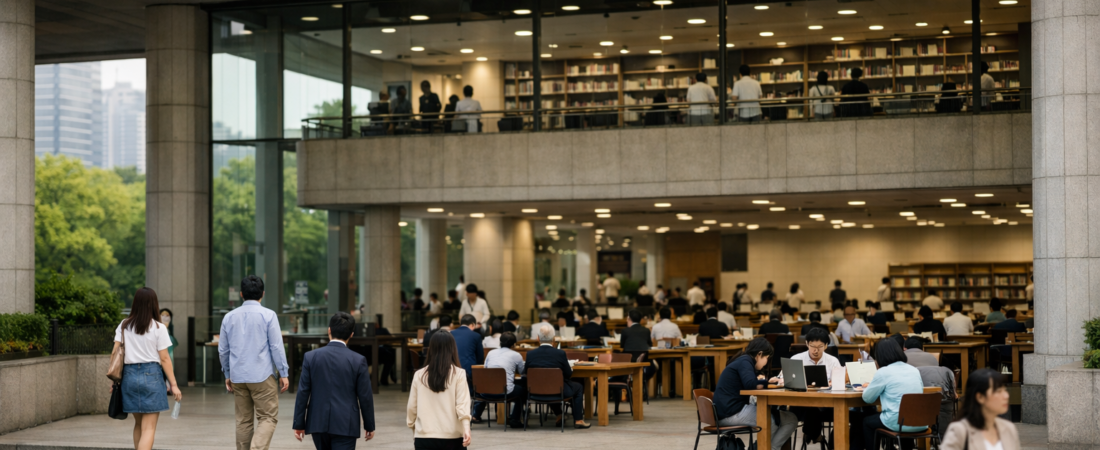
The National Central Library has increasingly focused on digging up these overlooked domestic texts. This particular volume mixes recipes with practical living tips in one continuous manuscript. You get japchae instructions sitting right next to notes on brewing traditional rice wine.
There is also guidance on managing clothing, a task that mattered enormously in a pre-washing-machine world. Fabric was expensive, hand-woven, and hard to replace. Knowing how to store, clean, and repair garments was a genuine survival skill, not a hobby.
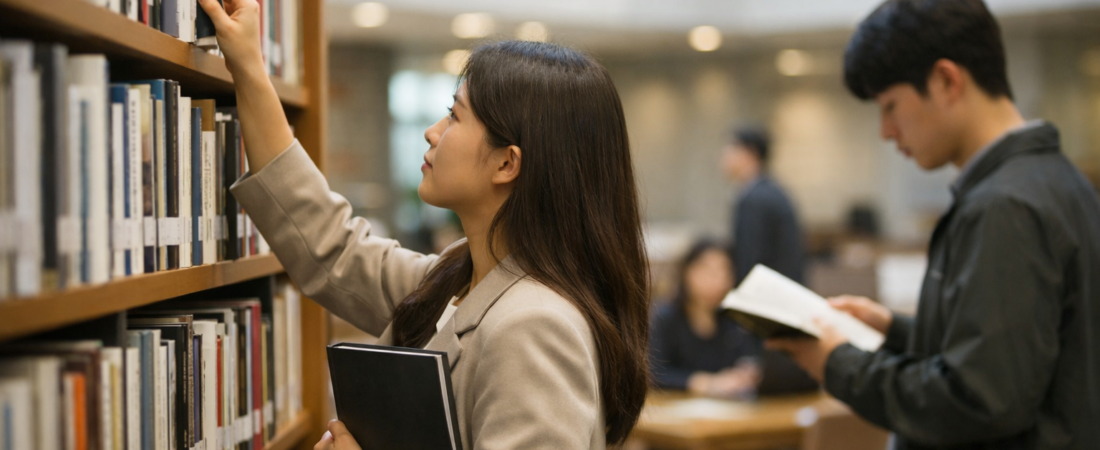
What makes the National Central Library’s work valuable is the accessibility it creates. Old Hangul texts like this one are often locked away in specialized archives, readable only by trained scholars. By translating and publicizing this material, the National Central Library opens a window that ordinary readers can actually look through.
You can explore more about the library’s archival projects through Kyunghyang Shinmun, which first reported on this discovery. The National Central Library continues to digitize similar manuscripts, hoping to build a fuller picture of daily life in old Korea. Each new document adds another piece to that puzzle.
Tteokbokki Before It Was Spicy
Here is the part that probably caught your attention. The manuscript describes a dish made with white rice cakes, beef, pork, minnari (water dropwort), and mung bean sprouts. The cook pours in a seasoned broth and stir-fries everything together.
Finally, garnishes like mushrooms and egg go on top before serving. Sound familiar? It should—this is clearly an ancestor of today’s tteokbokki, just without the fiery red gochujang sauce most people associate with the dish now.
Modern tteokbokki became a street food icon largely after Korean chili paste entered common home cooking in the 20th century. This older version relied on a savory soy-based broth instead. Korean food history buffs sometimes joke that tteokbokki has had more makeovers than a K-pop idol before their debut—and honestly, that is not far off.
This earlier recipe reminds us that Korean cuisine was never frozen in time. Dishes evolved constantly as ingredients, trade, and taste preferences shifted across generations. The tteokbokki you order from a street cart today is the product of a very long culinary conversation.
Comparing the two versions also tells us something about class and access. Meat-heavy stir-fried rice cakes like this one were likely reserved for wealthier households or special occasions. The cheap, chewy, chili-coated street food version we know now became popular precisely because it made rice cakes affordable and accessible to everyone.
Why This Discovery Matters Today
So why should a global reader care about a 110-year-old household manual? Because food history is human history, and small domestic details often reveal more than grand political records ever could. This manuscript shows us what people actually ate, wore, and worried about in their daily lives.
The National Central Library’s effort here fits into a broader, honest tension in how Korea handles its own past. Traditional knowledge like this was often dismissed for decades as “just women’s work,” unworthy of serious scholarly attention. That neglect meant countless similar manuscripts were lost forever before anyone thought to preserve them.
But there is real hope in this story too. Institutions like the National Central Library are now actively reversing that old dismissal, treating kitchen manuscripts with the same care once reserved for royal court records. Younger Korean researchers and home cooks alike are rediscovering these texts, recreating old recipes, and sharing them online with genuine curiosity rather than nostalgia alone.
There is something quietly moving about an anonymous person, over a century ago, begging future readers not to lose this book. They could not have known their grocery list and cooking notes would end up studied by a national library. It says something about human nature that we instinctively want to pass on what we know, even in small, unglamorous forms.
That same impulse connects us across generations, whether through a handwritten recipe or a shared family meal today. Of course, preservation always comes with loss—we can never fully recover the exact taste, the exact kitchen, the exact voice behind these words. But the attempt itself, however incomplete, still matters, because it keeps a door open rather than letting it close forever.
Old recipes like this one will not stop mattering anytime soon. As the National Central Library continues uncovering similar manuscripts, we can expect more surprises about how ordinary Koreans actually lived, cooked, and cared for their homes. What other everyday secrets do you think are still waiting, quietly, on some forgotten shelf?
AI-Generated Photorealistic Image — All people, scenes, and details in this image are entirely AI-generated and fictional. Not a real photograph of an actual person or event. 이 이미지는 AI로 생성된 가상 이미지입니다.

Leave a Reply