Table of Contents
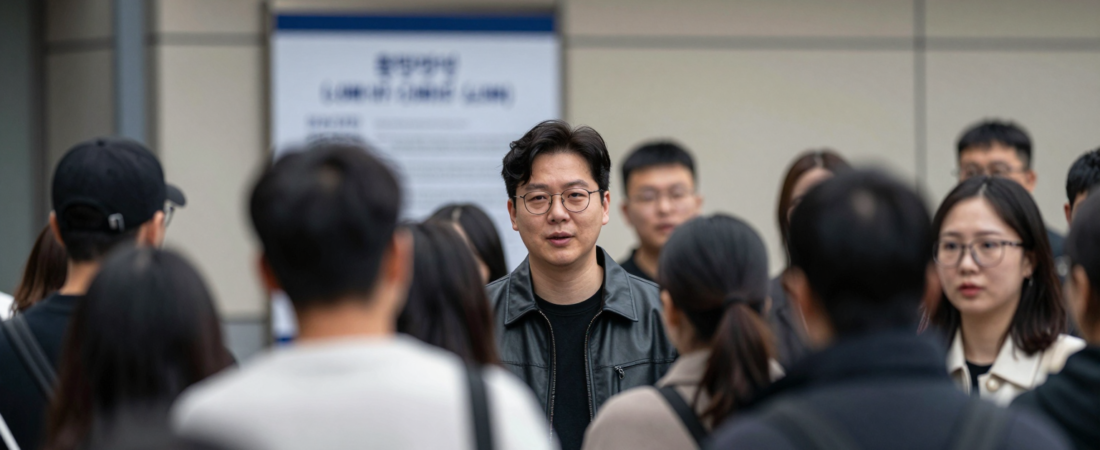
Has Korea’s cultural wave finally crested? That’s the question everyone in the entertainment industry seems to be asking this year. After nearly three decades of unstoppable growth, Hallyu now faces a reckoning that could reshape how the world sees Korean culture.
You’ve probably watched a K-drama, streamed a K-pop album, or eaten Korean fried chicken without thinking twice about where it all started. But Hallyu didn’t appear overnight. It grew from one small broadcast decision made in China nearly 30 years ago.
How Hallyu Began: A Wave Nobody Predicted
In 1997, Chinese state broadcaster CCTV aired a Korean drama called “What is Love,” originally made in 1991. Nobody expected much from it. Yet the show became an unlikely sensation, and that surprise success is now widely credited as the birth of Hallyu.
Think about that for a second. A drama nearly six years old, airing in a foreign country, accidentally launched what became one of the most powerful cultural exports in modern history. Would anyone at the time have guessed that this single broadcast would eventually lead to Grammy nominations and Netflix’s biggest global hits?
That’s the nature of cultural movements — they rarely announce themselves. Korean culture in the 1990s was mostly a domestic affair, focused inward rather than outward. What changed everything was timing, chance, and a growing appetite across Asia for stories that felt fresh yet familiar.
The Numbers Behind the Global Hallyu Machine
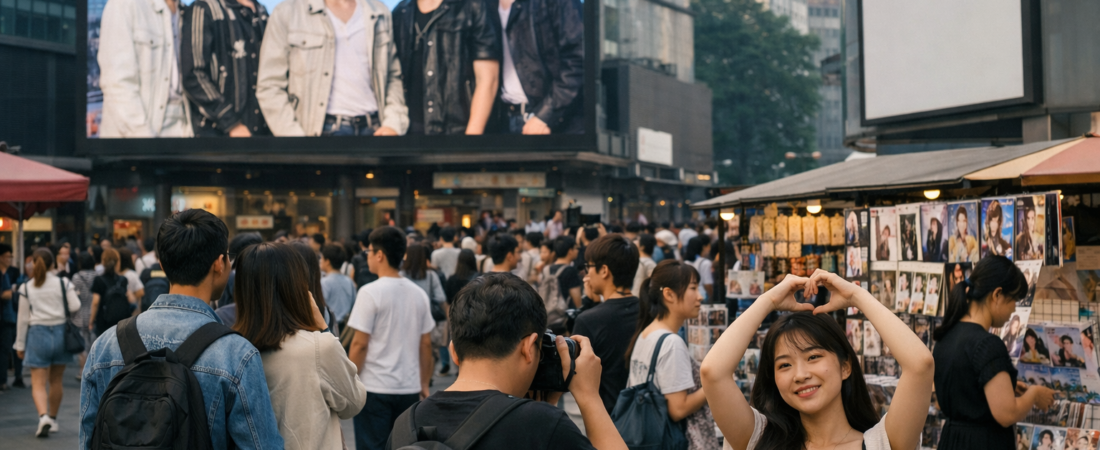
Fast forward almost 30 years, and Hallyu looks nothing like its humble beginnings. Dramas, K-pop, webtoons, and games now form a massive export engine that touches nearly every corner of Korea’s economy. This isn’t just entertainment anymore — it’s industrial policy with a soundtrack.
Tourism boards, beauty companies, and fashion brands have all built entire strategies around Hallyu’s global appeal. Visitors don’t just come to Seoul for the skyline; they come chasing the drama filming locations, the skincare routines, the fried chicken joints they saw on Instagram. Koreans take their food seriously, and Hallyu turned that seriousness into a worldwide obsession (yes, someone somewhere has definitely tried to recreate an entire drama meal at home).
According to industry analysis covered by Korea Herald, the reach of Hallyu now extends far beyond entertainment charts. It shapes consumer habits, travel patterns, and even diplomatic conversations. Few cultural exports from any country have achieved this level of cross-industry influence in such a short span.
So why does this matter to you, even if you’ve never set foot in Korea? Because Hallyu represents something bigger than pop culture — it’s a case study in how a mid-sized country can shape global taste. That’s a story worth paying attention to, no matter where you live.
Has Hallyu Really Peaked?
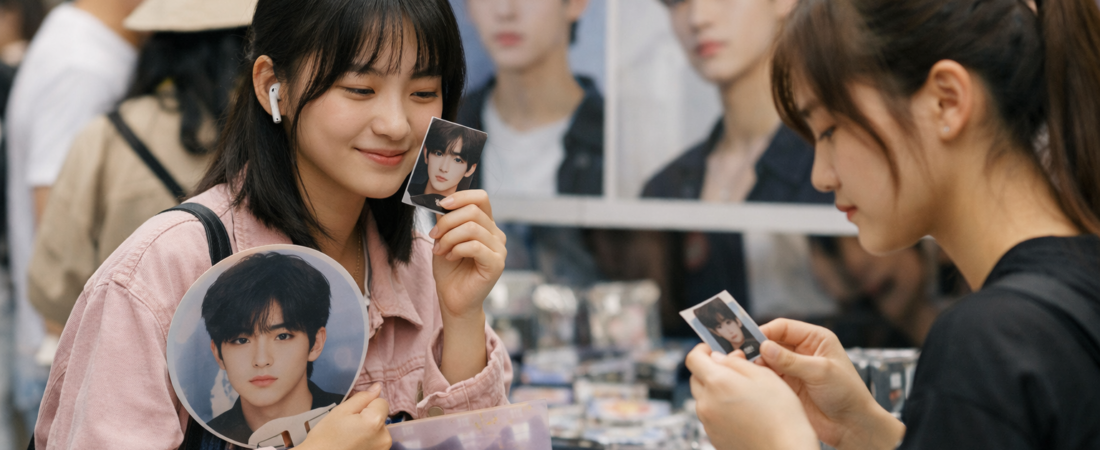
Here’s where things get interesting. Some industry voices now openly ask whether Hallyu has reached its ceiling. Streaming numbers for certain dramas have softened, and K-pop’s biggest acts face increasing competition from other countries copying the same formula.
Is this really a peak, or just a natural pause before the next evolution? History suggests cultural waves rarely die — they transform. Japan’s anime industry faced similar “peaked” narratives in the early 2000s, only to reinvent itself through streaming platforms and international co-productions.
Korea’s entertainment companies aren’t sitting still either. They’re investing heavily in webtoons and games, sectors that barely existed in Hallyu’s early conversation but now generate serious revenue. This diversification suggests strategic adaptation rather than decline.
Still, honest observers should acknowledge the real pressures here. Market saturation is a genuine concern, and audiences worldwide have more entertainment choices competing for their attention than ever before. The question isn’t whether challenges exist — they clearly do — but whether Korea’s creative industries can pivot fast enough to meet them.
What Comes Next for Hallyu
Every cultural movement eventually faces this same crossroads. Do you cling to what made you successful, or do you risk reinvention? Korea’s answer, so far, seems to be a mix of both — honoring the drama and music formats that built global trust while pushing into new formats like interactive games and webtoon adaptations.
There’s something genuinely hopeful in watching an entire industry ask hard questions about its own future instead of assuming success will continue automatically. That kind of self-examination often signals maturity rather than weakness. At the same time, we should stay honest about the strain this creates — the same pressure to constantly innovate can exhaust creative workers and squeeze smaller studios out of the conversation entirely.
What gives me quiet optimism is watching how Korean creators keep finding new outlets rather than forcing the old model to work forever. Webtoons succeeding globally, game studios expanding overseas, indie musicians building fanbases without major labels — these are signs of a culture adapting rather than collapsing. Growth rarely moves in a straight line, and neither does cultural relevance; both tend to bend, stall, and then surprise us again.
The next chapter of Hallyu likely won’t look identical to the last three decades, and that’s probably fine. Cultural movements that survive long-term are the ones willing to let go of their original shape. Korea’s entertainment industry has already proven it can do that once — the question now is whether it can do it again.
So where does that leave Hallyu heading into its fourth decade? Probably not fading away, but definitely changing form — becoming less about any single drama or group and more about an entire creative ecosystem. That shift alone tells you something important about how cultural power actually works in a connected world.
What do you think — has Hallyu truly peaked, or is Korea’s cultural wave just getting started on its next transformation?
AI-Generated Photorealistic Image — All people, scenes, and details in this image are entirely AI-generated and fictional. Not a real photograph of an actual person or event. 이 이미지는 AI로 생성된 가상 이미지입니다.

Leave a Reply