Table of Contents
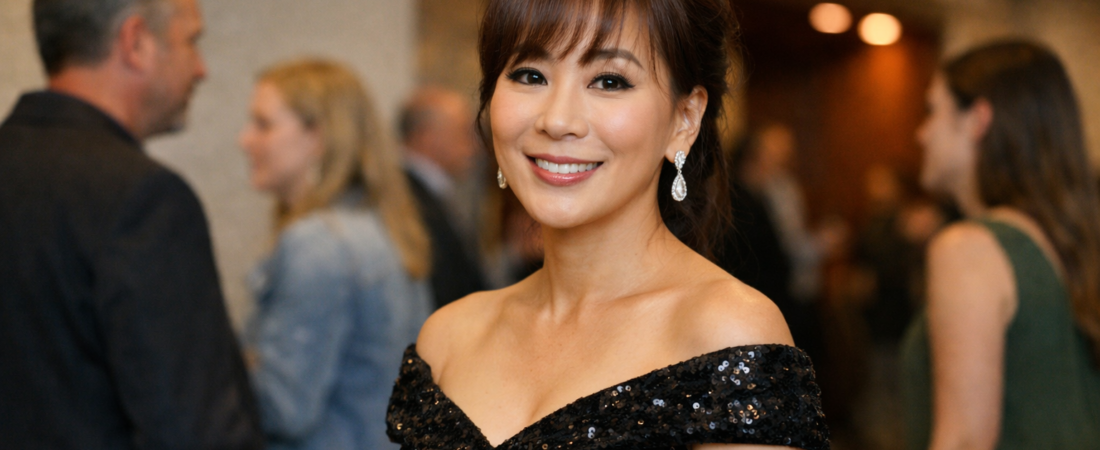
Can you imagine being influenced by an artist before you were even born? That’s exactly what happened to soprano Sumi Jo, one of Korea’s most celebrated opera singers.
She recently received the Maria Callas Award, and her reflections on the honor reveal something deeper than career achievement. Sumi Jo’s story connects prenatal memory, maternal ambition, and four decades of relentless discipline.
Her words carry a simple but powerful message: art has no shortcuts. Let’s look at what that really means, and why it still resonates with anyone chasing mastery today.
Sumi Jo’s Journey to the Maria Callas Award
Sumi Jo sat down for an interview after winning the prestigious Maria Callas Award. This recognition honors sopranos who carry forward the legacy of the legendary Greek-American diva Maria Callas.
For Sumi Jo, the award is not just a trophy. It’s a symbolic closing of a circle that began before she ever sang a single note.
She described the honor as deeply personal, tied to a connection with Callas that goes back to her earliest days. Why does this particular award mean so much to her, more than other honors she has received over her long career?
The answer lies in a story that sounds almost like fate. Sumi Jo explained that her mother listened to Maria Callas’s music constantly while pregnant with her.
Her mother adored Callas so much that she dreamed of raising her future daughter as a prima donna. That dream, remarkably, came true.
Sumi Jo has performed on the world’s greatest opera stages, from Milan’s La Scala to New York’s Metropolitan Opera. You could say her mother’s dream became a lifelong assignment, one Sumi Jo has fulfilled with extraordinary consistency.
A Life Shaped by Maria Callas Before Birth
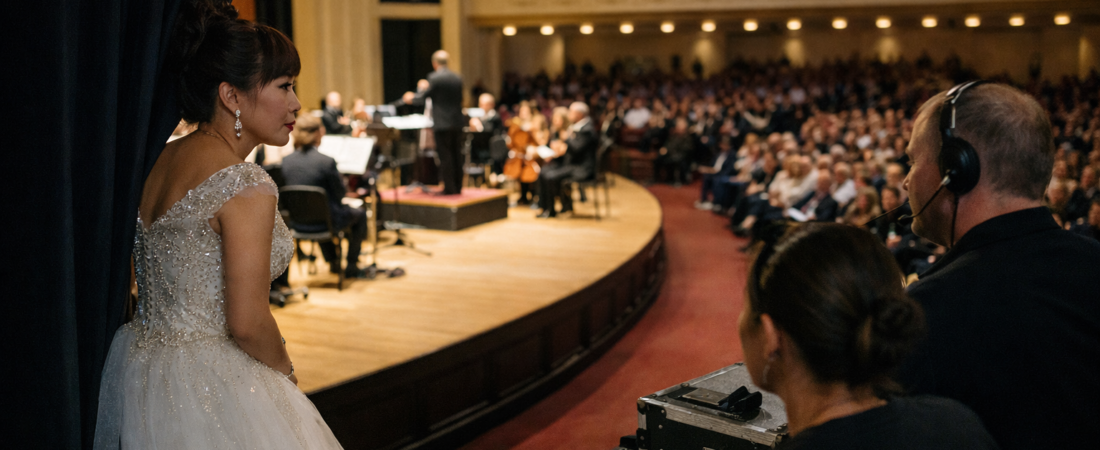
Prenatal influence is a familiar idea in Korean culture. The tradition of “taegyo,” or prenatal education, holds that a mother’s environment and emotions shape her unborn child.
Sumi Jo’s mother practiced a musical version of this belief, filling her pregnancy with Callas’s voice. Whether or not you believe in taegyo’s science, the emotional truth of the story is hard to ignore.
Sumi Jo grew up hearing about Callas long before she understood who the singer was. By the time she began her own vocal training, Callas already felt like family folklore.
This connection deepened as Sumi Jo built her international career. Critics and audiences alike began comparing her vocal color and dramatic range to the very artist her mother once admired.
That comparison could have felt like pressure, right? Yet Sumi Jo has spoken about it as inspiration rather than burden, a reminder of where her passion first took root.
You can read more about her career milestones through Kyunghyang Shinmun, which conducted this recent interview. Few artists carry such a direct emotional thread from their mother’s womb to a world-class stage.
Why “No Shortcuts in Art” Still Matters
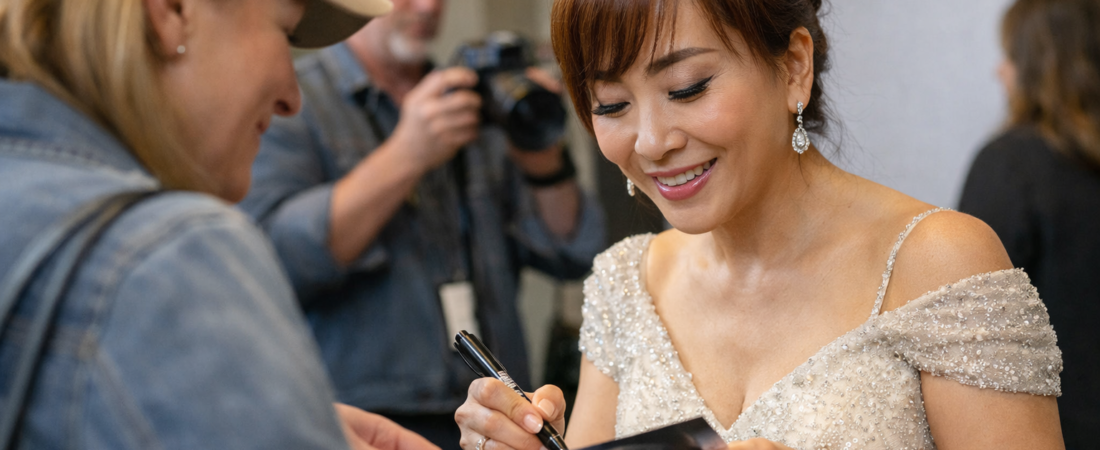
Sumi Jo’s most quoted line from the interview is simple: there are no shortcuts in art. She has spent 40 years proving that statement through daily practice, careful technique, and repeated performance.
In an era obsessed with instant fame, this idea feels almost radical. Social media rewards speed and virality, so why would anyone choose the slow, difficult path of classical training?
Sumi Jo’s answer is that real artistry cannot be rushed. Opera demands years of vocal development, language study, and physical stamina that no shortcut can replace.
Her career began in the 1980s, and she has remained active and relevant ever since. That kind of longevity is rare in any performing art, let alone one as demanding as opera.
Think about how many trends have come and gone during those four decades. Sumi Jo’s steady presence on global stages says something about the value of patience over speed.
Korean audiences often take pride in her international success, seeing it as proof that Korean artists can compete at the highest levels of Western classical music. Her story fits into a larger pattern of Korean musicians, from pianists to violinists, achieving global recognition through sheer discipline.
What Sumi Jo’s 40 Years Teach Us Today
So what can the rest of us learn from a soprano’s four-decade journey? Her story is really about the relationship between inherited dreams and personal effort.
Her mother’s admiration for Callas gave Sumi Jo a starting point, not a guarantee. The real work still had to come from Sumi Jo herself, through thousands of hours of practice most people never see.
There’s something worth sitting with here, beyond the applause and awards. Families often pass down dreams to their children, and that inheritance can feel like a gift or a weight, sometimes both at once.
Sumi Jo’s case turned out beautifully, but not every child carries a parent’s dream so gracefully; some quietly struggle under expectations they never chose. What redeems this pattern, again and again across generations, is when the child eventually makes the dream genuinely their own, transforming obligation into calling through their own long labor.
That transformation seems to be exactly what happened here. Sumi Jo didn’t simply inherit her mother’s admiration for Callas, she earned her own place beside that legacy, one performance at a time, one difficult year after another.
Korean classical musicians are often praised for near-superhuman discipline (yes, someone really did calculate that top conservatory students practice thousands of hours before age twenty). That intensity produces remarkable results, but it also raises a fair question about balance and rest.
Sumi Jo’s story suggests it doesn’t have to be one or the other. Discipline and joy, structure and inheritance, can coexist over a long enough timeline.
Looking ahead, Sumi Jo’s message about art having no shortcuts feels relevant far beyond opera houses. Whether you’re learning a language, building a business, or raising a family, her 40-year path reminds you that meaningful things take time.
What do you think about Sumi Jo’s idea that art, and maybe life itself, has no shortcuts?
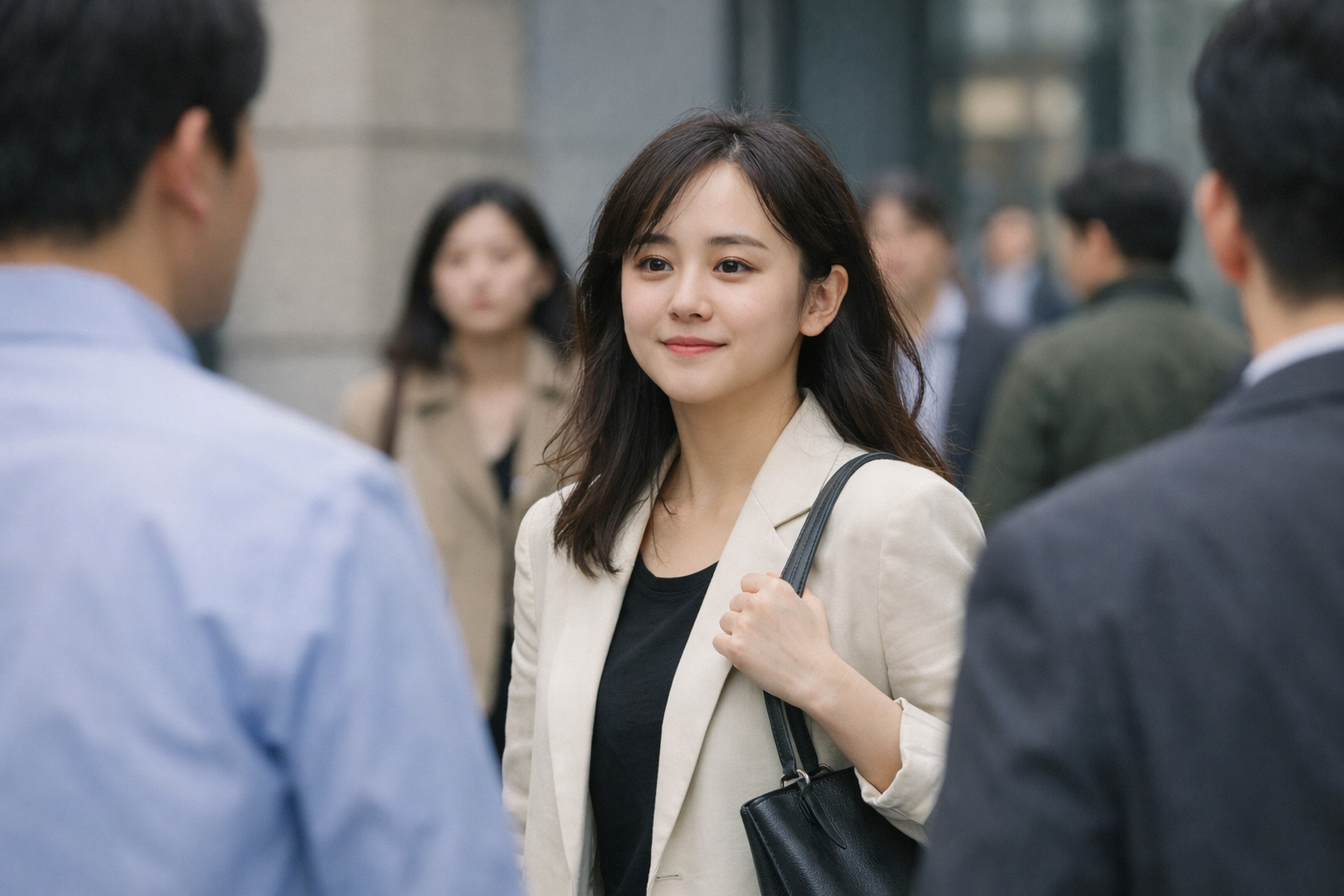
AI-Generated Photorealistic Image — All people, scenes, and details in this image are entirely AI-generated and fictional. Not a real photograph of an actual person or event. 이 이미지는 AI로 생성된 가상 이미지입니다.

Leave a Reply