Table of Contents
What does a country do right when its pop culture, films, and dramas dominate global screens? A group of Japanese lawmakers wanted the answer, so they went straight to the source.
Korea National University of Arts, known in Korean as Han-guk Yesul Jonghap Hakgyo, welcomed eleven members of Japan’s Cultural and Arts Promotion Parliamentary League. They came to hear exactly how this school produces so much creative talent. If you’ve ever wondered why Korean arts training feels different, this visit gives you real clues.
Why Japanese Lawmakers Are Studying Korean Arts Education
Eleven lawmakers is not a small delegation. When politicians travel in that number, it signals genuine policy interest, not a casual field trip.
The group belongs to a caucus specifically built around promoting culture and arts in Japan. Their visit to Korea National University of Arts was purposeful. They wanted to understand how a single institution helped fuel Korea’s rise as a global content powerhouse.
Why does this matter to policymakers outside Korea? Because talent development is not automatic — it takes structure, funding, and long-term vision.
Japan has its own rich arts tradition, from film to theater to music. But the global explosion of K-pop, K-drama, and Korean cinema over the past decade raised a real question in Tokyo: what training model made this possible? That question brought these eleven lawmakers to Seoul.
What Makes Korea National University of Arts Different
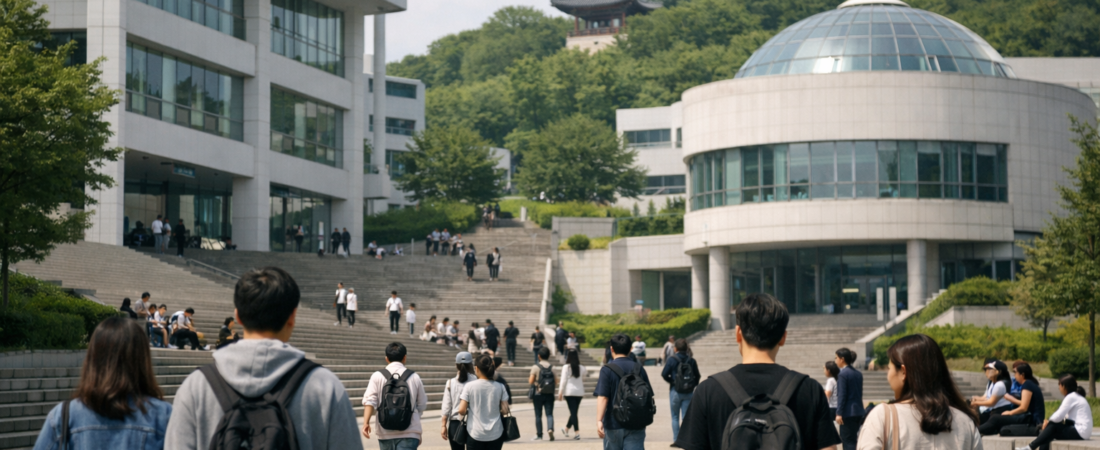
Korea National University of Arts was founded in 1993 as a specialized, government-backed conservatory. Unlike typical universities, it focuses entirely on training professional artists across music, dance, theater, film, and visual arts.
Its structure separates it from most Western art schools. Students train in small, intensive studios with working professionals, not just lecture-hall theory.
The school has produced globally recognized names in classical music, cinema, and contemporary dance. That track record is exactly why Korea National University of Arts draws international attention.
The visiting lawmakers reportedly showed strong interest in how the school blends rigorous technical training with real industry connections. Students often work alongside professional companies before they even graduate. Is that early exposure the secret ingredient? Many arts educators around the world think so.
You can learn more about Korea’s approach to cultural policy through organizations like the Yonhap News Agency, which regularly covers these institutional exchanges.
The Bigger Picture: Korea-Japan Cultural Exchange
Korea and Japan share a complicated history, and cultural relations between the two countries have not always been smooth. Colonial-era tensions still surface in political disputes today.
Against that backdrop, a cultural exchange visit like this one carries extra weight. Arts and education tend to build bridges even when diplomacy stalls elsewhere.
This visit to Korea National University of Arts fits into a longer pattern of soft-power diplomacy. Government-level Korea-Japan tensions do exist. But cultural cooperation — museum exchanges, joint film festivals, academic visits — often continues quietly underneath.
Think of it like two neighboring families who argue over the fence line but still swap recipes over the back porch. Culture has a way of doing that.
This particular exchange also reflects Japan’s broader push to strengthen its own creative industries. Japanese anime and gaming remain globally strong, but Japanese live-action drama and pop music have struggled to match Korea’s recent international reach. Lawmakers visiting Korea National University of Arts suggests Japan is looking for practical, exportable lessons — not just admiration from afar.
What Global Readers Can Learn From This Model
Why should someone outside Korea or Japan care about one university visit? Because the underlying question applies everywhere: how do you actually build a creative economy?
Many countries fund the arts. Fewer countries build specialized institutions that connect students directly to industry from day one. Korea National University of Arts offers a working case study other nations can study, adapt, or question.
It’s worth being honest here, too. A single elite conservatory cannot fix everything — many talented Korean artists outside this system still struggle for opportunities and funding.
The intense, competitive culture that produces world-class performers can also create real pressure on young students, some of whom burn out before their careers even begin.
That tension does not erase what the school has accomplished. It simply reminds us that talent systems, like the people inside them, are never perfectly clean success stories — they are human institutions with real costs alongside real achievements, and the encouraging sign is that Korean educators increasingly discuss student wellbeing and reform openly rather than ignoring the strain.
Looking ahead, expect more of these institutional visits between Korea and its neighbors. As Korean soft power keeps growing, other countries will keep asking the same question these Japanese lawmakers asked.
What do you think — can a single school’s model really be exported to another country’s culture, or does creative talent always need its own local soil to grow?
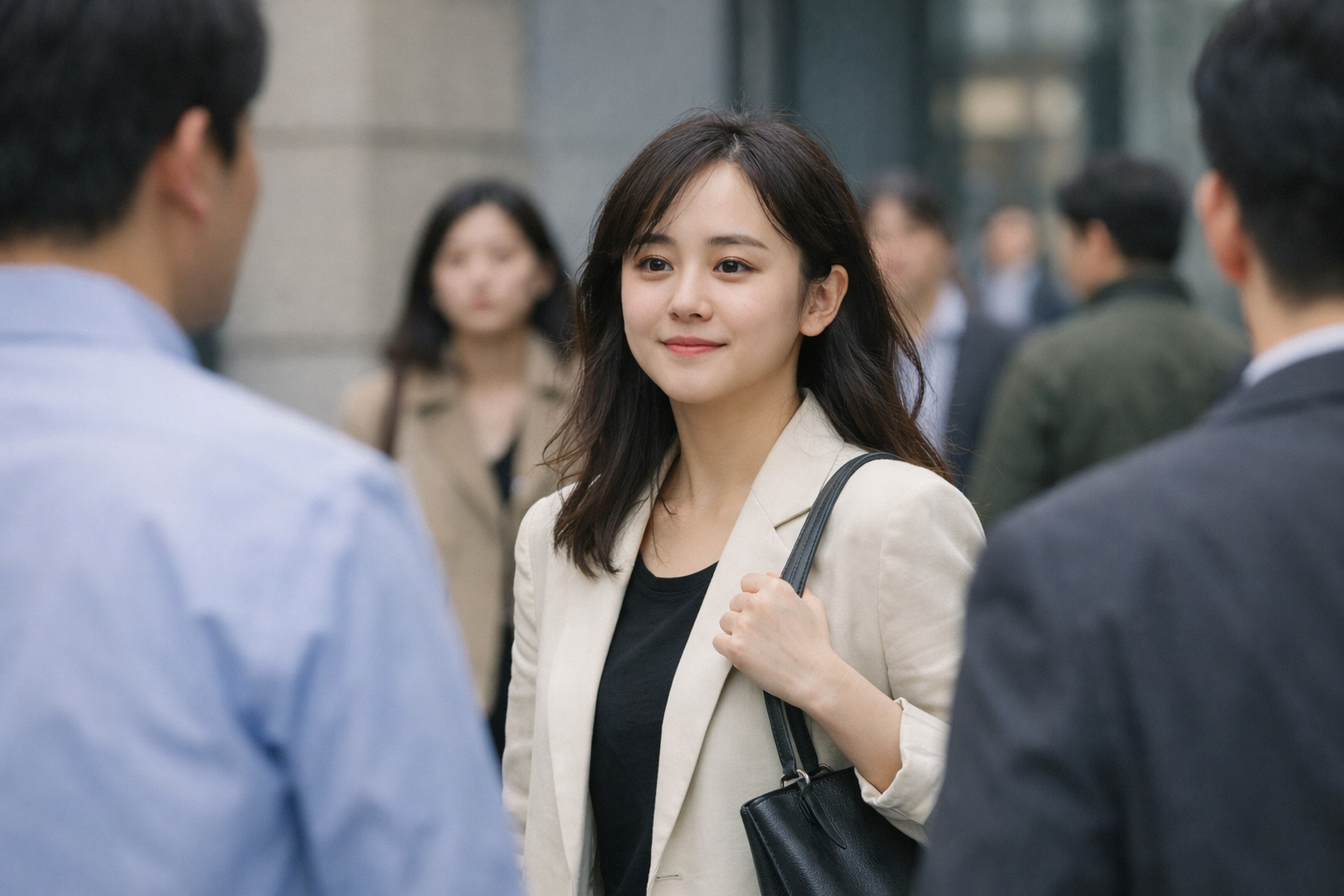
AI-Generated Photorealistic Image — All people, scenes, and details in this image are entirely AI-generated and fictional. Not a real photograph of an actual person or event. 이 이미지는 AI로 생성된 가상 이미지입니다.


Leave a Reply