
Kim Yo-han Reveals His Building Owner Secret
Former volleyball national team star Kim Yo-han built his wealth through pure saving, not real estate speculation or stock trading. He shares his story on the KBS 2TV show “Sajangnim Gwineun Dangnagwi Gwi” airing August 23. Kim Yo-han, once nicknamed the “Kang Dong-won of volleyball” for his striking looks, is now known as a building owner.
That nickname alone tells you something about how Korean sports fans talk about their athletes. Looks matter, sure, but staying power matters more. Kim Yo-han seems to have figured out the second part long after the first one made headlines.
Table of Contents
From Volleyball Court to Property Owner

Kim Yo-han spent years as a national team volleyball player, known for his athletic build and photogenic appeal. Fans nicknamed him after actor Kang Dong-won, comparing his handsome face to a movie star’s. But looks fade, and careers end, so what did Kim Yo-han do differently?
According to the show’s preview, Kim Yo-han did not chase complicated investment schemes. He avoided stocks, cryptocurrency, and risky ventures that trapped many other athletes financially. Instead, he focused on one simple habit: saving money consistently over time.
This approach eventually let him purchase a building, earning him the title of “geonmulju,” a Korean term for someone who owns a commercial building. Becoming a geonmulju is often seen as the ultimate financial goal in Korea. It represents stability, passive income, and freedom from paycheck-to-paycheck living.
Kim Yo-han’s story stands out precisely because it lacks flash. No lucky stock pick, no sudden windfall. Just years of discipline that most people find boring to hear about, but effective to watch play out.
The Power of Saving in Korean Culture

Saving money has deep roots in Korean culture, tracing back to post-war reconstruction decades. Older generations often praised frugality as a virtue, not just a financial strategy. Kim Yo-han’s method echoes this older, more traditional mindset.
Why does this story resonate with so many viewers today? Because modern Korea has shifted dramatically toward high-risk investing, especially among younger generations chasing quick returns through stocks and coins. Kim Yo-han represents an alternative path that feels almost old-fashioned, yet strangely refreshing.
Real estate ownership carries enormous weight in Korean society. Owning a building is not just about money; it signals security in a country where housing prices in cities like Seoul have soared for decades. Kim Yo-han achieved this milestone through patience rather than speculation, which makes his case genuinely notable.
Programs like “Sajangnim Gwineun Dangnagwi Gwi” have built a following by featuring celebrities who successfully run businesses or manage wealth outside their main careers. You can read more about Korean broadcasting trends through Maeil Business Newspaper, which first reported on Kim Yo-han’s upcoming appearance. The show consistently draws attention because it demystifies wealth building for ordinary viewers.
Financial experts in Korea have long debated whether saving alone can build real wealth in an era of low interest rates. Kim Yo-han’s case suggests it still can, especially when paired with athletic career earnings and long-term discipline. His story does not dismiss investment entirely, but it does challenge the idea that saving is outdated.
What This Means for Retired Athletes
Many former athletes struggle financially after retirement. Sudden loss of income, unclear career paths, and poor financial planning have hurt numerous Korean sports stars over the years. Kim Yo-han offers a contrasting example worth studying.
Should more athletes follow Kim Yo-han’s saving-first approach? It is worth asking, especially given how unpredictable sports careers can be. Injuries end careers overnight, and few athletes have backup plans ready.
Kim Yo-han’s transition from volleyball star to building owner shows that financial security does not require complexity. It requires consistency, patience, and realistic goals suited to one’s income. This lesson extends beyond sports, reaching anyone trying to build stability in an unpredictable economy.
There is honesty worth naming here too. Not every athlete has Kim Yo-han’s earning power, and pure saving works differently depending on your starting salary. Structural gaps in athlete pay and post-career support in Korean sports remain real problems, and no single success story erases them.
Yet Kim Yo-han’s example still points somewhere useful. Sports associations and player unions across Korea have slowly begun offering financial literacy programs for active and retiring athletes, recognizing that talent on the court does not guarantee wisdom with money. His story, shared on national television, adds momentum to that quiet shift toward better preparation for life after the game.
Korean audiences seem drawn to these stories because they offer something rare: proof that ordinary discipline still works. Kim Yo-han did not need a viral investment trend to secure his future. He needed years of steady choices, which is a harder story to tell but a more trustworthy one to follow.
Will Kim Yo-han’s story inspire other athletes to rethink how they manage their earnings? The upcoming broadcast may spark exactly that conversation across Korean sports communities. As more retired athletes share their financial journeys publicly, viewers gain practical models instead of vague advice.
What do you think about Kim Yo-han’s saving-only strategy compared to today’s investment culture?
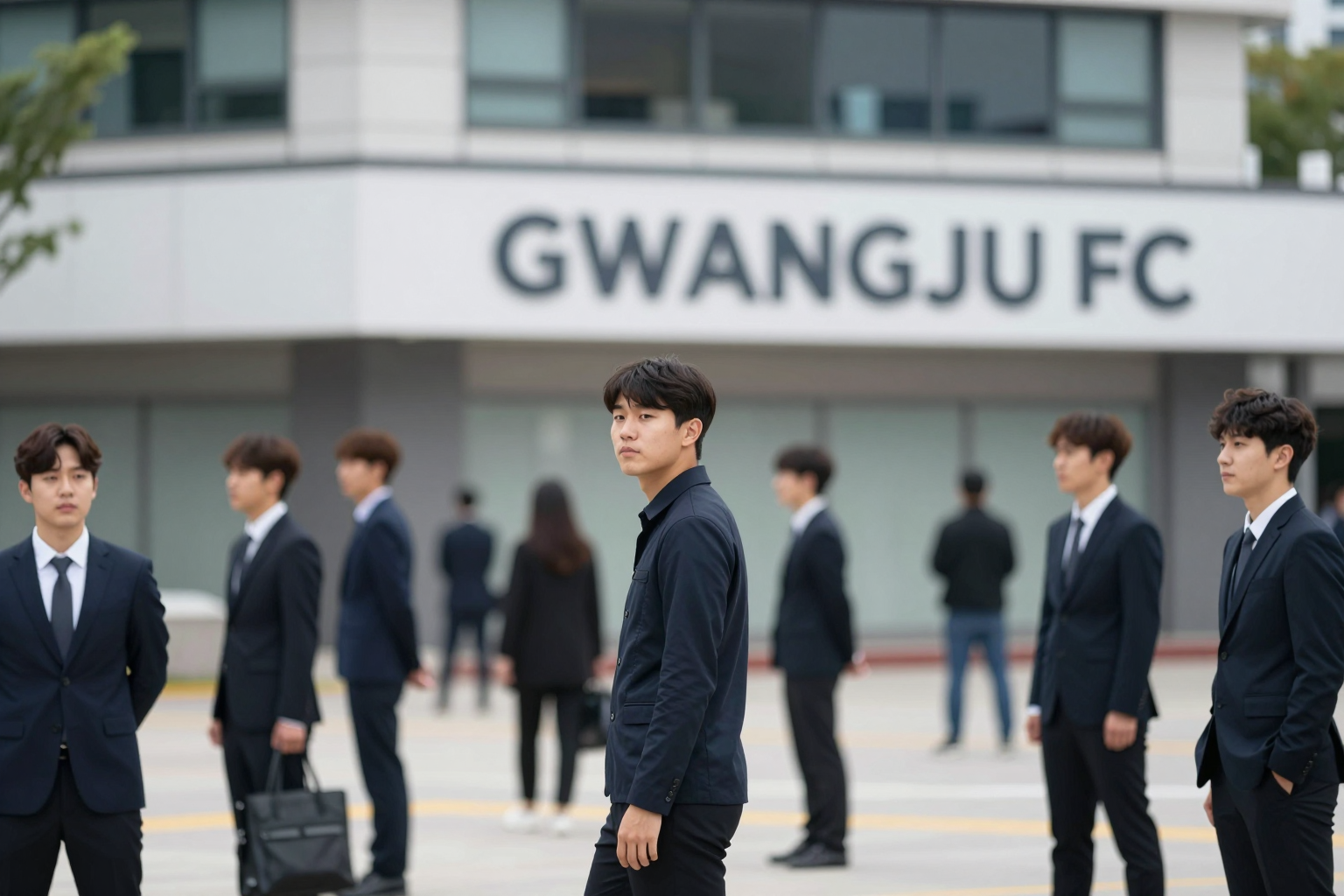
AI-Generated Photorealistic Image — All people, scenes, and details in this image are entirely AI-generated and fictional. Not a real photograph of an actual person or event. 이 이미지는 AI로 생성된 가상 이미지입니다.



Leave a Reply