Table of Contents
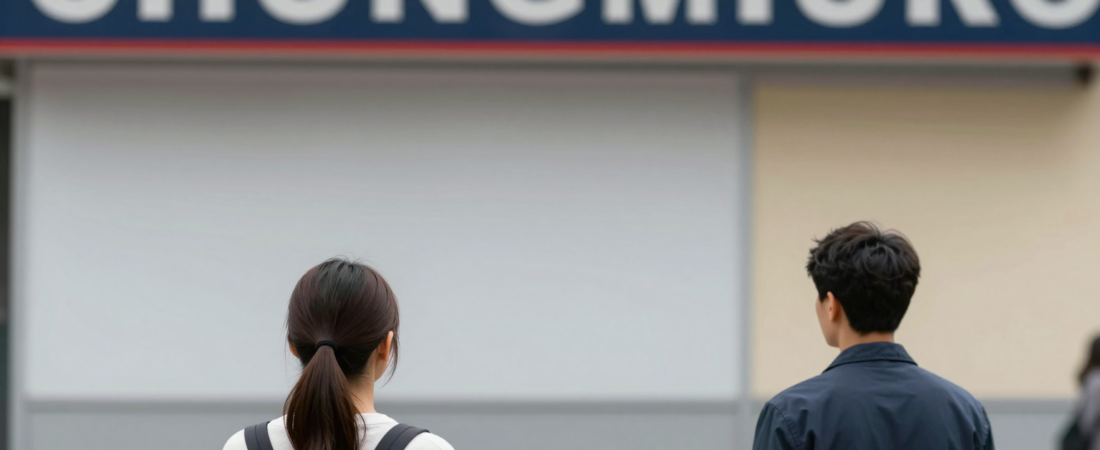
Chungmuro is a small district in Seoul’s Jung-gu that once printed most of South Korea’s books, posters, and film reels. Its narrow alleys still hold dozens of print shops, some running since the 1960s. If you want to understand Korea’s printing heritage, Chungmuro is where you start.
Have you ever wondered how a neighborhood built around ink and paper survives in a digital world? Chungmuro answers that question every day. Its shopkeepers keep old presses running, and local festivals keep the story alive for new generations.
What Chungmuro Is and Why It Matters
Chungmuro sits near Seoul’s Myeong-dong shopping district, but its identity is completely different. For decades, this area supplied printing services to publishers, film studios, and small businesses across the capital. That’s actually where its film-industry nickname comes from — Chungmuro became shorthand for Korean cinema itself, much like “Hollywood” means American film.
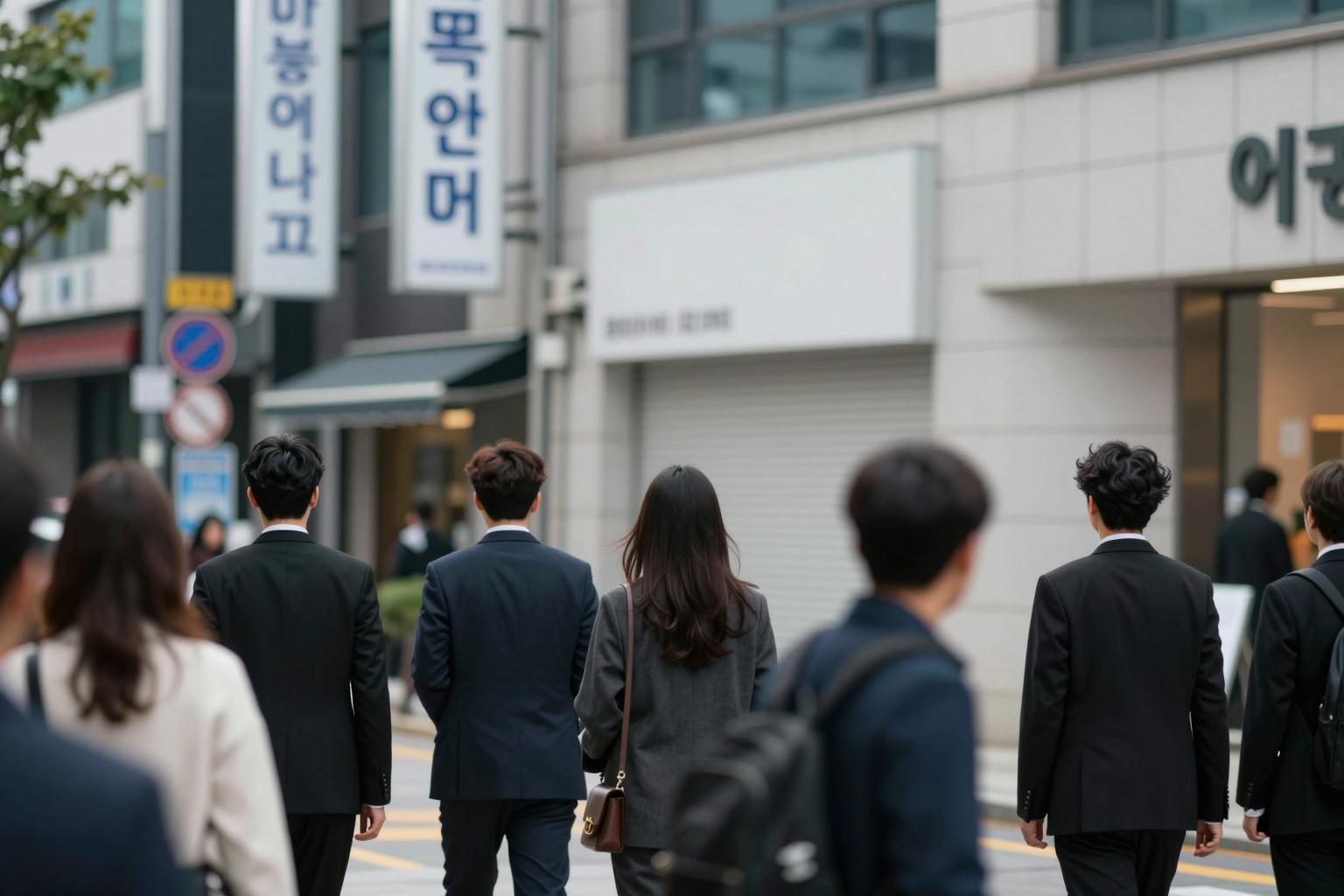
The neighborhood’s printing trade grew alongside Korea’s modernization in the mid-20th century. Newspapers, textbooks, and movie posters all passed through Chungmuro workshops before reaching the public. You can still see faded signs advertising typesetting and bookbinding services along Chungmuro 2-gil, the alley at the heart of this tradition.
Today, Chungmuro faces the same pressure many old trade districts feel. Digital printing and online publishing have reduced demand for traditional shops. Yet many of these small businesses remain open, run by owners who see their craft as more than just a job.
A Guide to Chungmuro’s Print Culture Street Festival
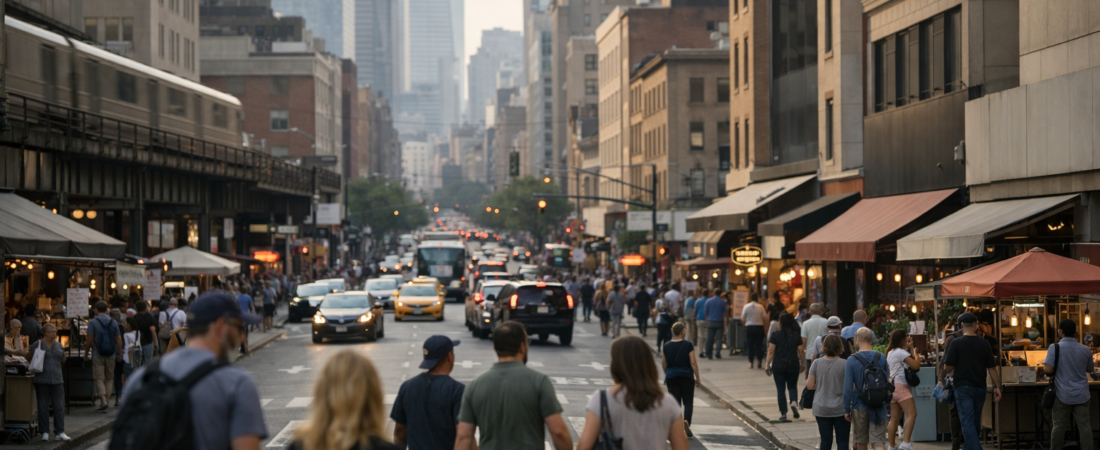
Jung-gu district, led by district mayor Kim Gil-seong, organizes an annual event that celebrates Chungmuro’s printing legacy directly in its historic alleys. The festival runs along Chungmuro 2-gil, transforming the street’s shopfronts into an open-air showcase. Local merchants and craftspeople take part, opening their doors to visitors who rarely get this kind of access.
The event typically runs from late afternoon into the evening, giving both workers and visitors a chance to attend after typical business hours. This timing matters. It lets shop owners keep their daytime printing work going while still welcoming guests later in the day.
The district government designed the festival with two goals in mind. First, they want to introduce Chungmuro’s printing culture to people who may never have heard of it. Second, they hope increased foot traffic will support the small shops that keep this alley’s economy going.
You can learn more about Seoul’s neighborhood-level cultural programming through resources like Yonhap News Agency, which regularly covers local district initiatives across the capital.
How to Experience Chungmuro Like a Local
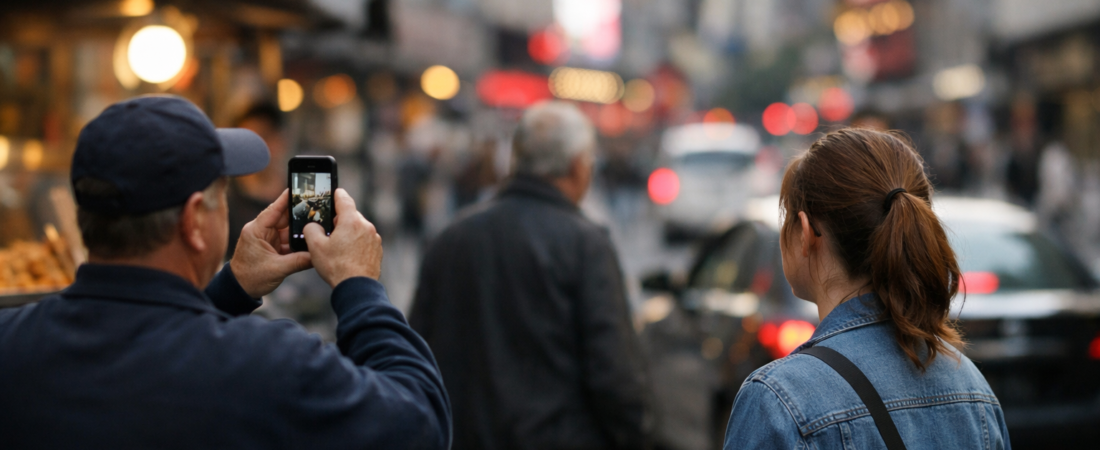
Visiting Chungmuro doesn’t require special planning, but a few tips help you get more out of it. Start at Chungmuro Station, served by Seoul Subway Lines 3 and 4, then walk toward Chungmuro 2-gil. The alley is compact, so you can explore most of it on foot within an hour.
Talk to shop owners if you get the chance. Many have run their businesses for decades and enjoy sharing stories about how the trade has changed. Korean printing traditions rarely get explained in tourist guidebooks, so a short conversation can teach you more than any plaque on the wall.
Pair your visit with nearby attractions. Myeong-dong’s shopping streets and Namsan Park’s hiking trails sit within walking distance, making Chungmuro an easy addition to a longer day in central Seoul. Bring comfortable shoes — the alley’s charm lives in its uneven pavement and tight corners, not in wide, easy sidewalks (your fitness tracker will thank you).
If you’re interested in Korean printing history specifically, look for shops displaying old typesetting equipment or letterpress machines. Some owners will demonstrate their tools if you show genuine curiosity. Just remember these are working businesses, not museums, so keep visits brief during busy hours.
Why Neighborhood Festivals Like This Matter
Small district festivals rarely make international headlines, but they carry real weight for local economies. Jung-gu’s support for Chungmuro reflects a broader pattern across Seoul, where district governments try to protect traditional trade streets from disappearing entirely. Similar efforts exist in areas like Euljiro’s metalworking alleys and Dongdaemun’s textile markets.
It’s worth asking yourself why this kind of preservation matters at all. A city could easily let old trade districts fade and replace them with something more profitable. But something valuable gets lost when every neighborhood starts to look the same.
There’s an honest tension here worth naming. Foot traffic from festivals can genuinely help aging shop owners stay afloat, yet it can’t fully replace the steady daily business that once sustained Chungmuro’s printing trade for generations. What gives me hope, though, is watching younger visitors discover these alleys through events like this one, sometimes returning later just to place an order or ask a shop owner a question.
That kind of quiet continuity — not nostalgia, but actual use — is what keeps a trade alive rather than turning it into a museum piece. Chungmuro’s future probably won’t look exactly like its past, and that’s fine. What matters is whether enough people, both Korean and international, keep walking through its alleys with real curiosity instead of letting the lights simply go out.
Chungmuro’s story isn’t finished, and that’s part of what makes it worth watching. As Seoul continues to modernize, districts like this one will keep testing whether tradition and progress can share the same street. What do you think cities lose when old trade neighborhoods like Chungmuro disappear?
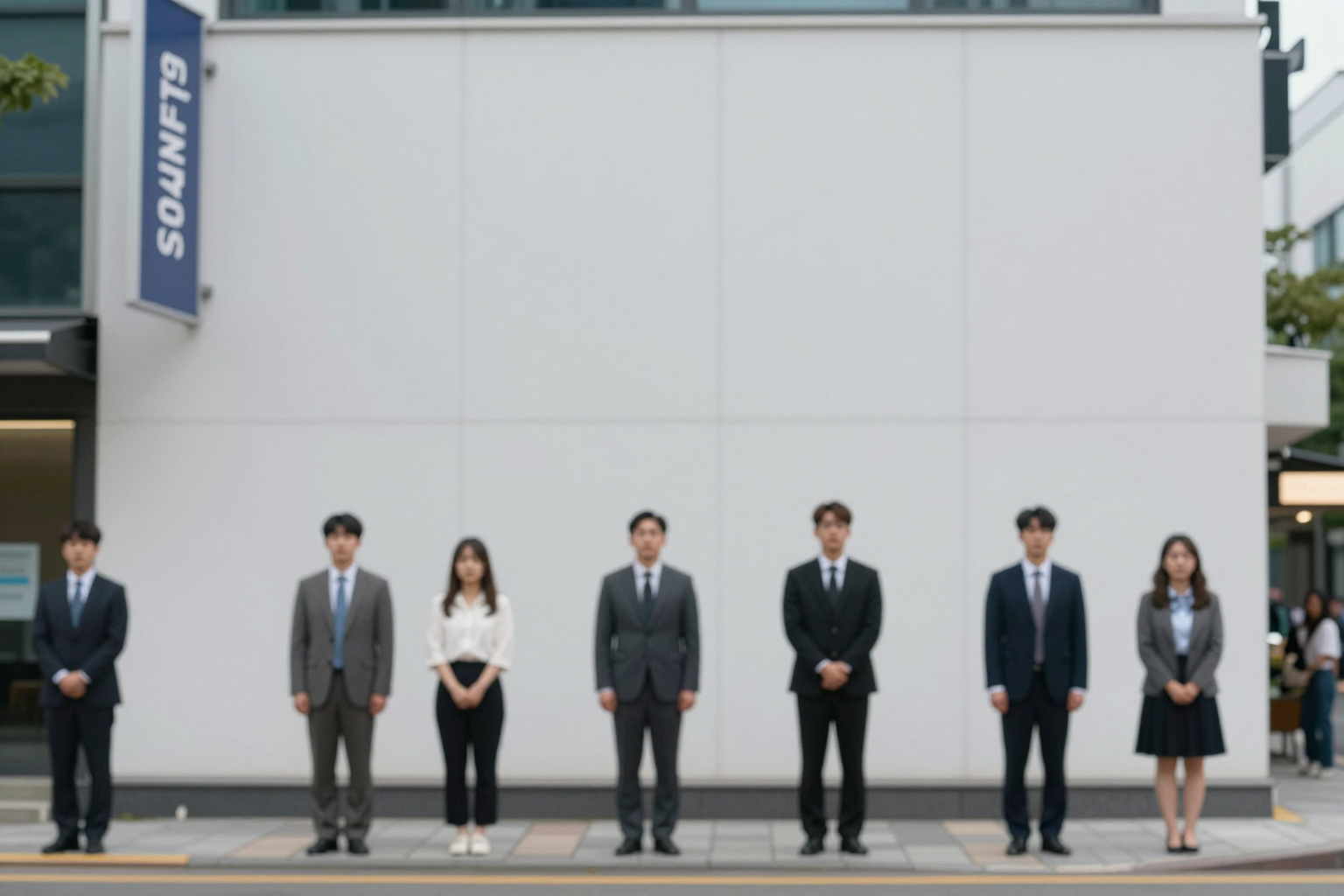
AI-Generated Photorealistic Image — All people, scenes, and details in this image are entirely AI-generated and fictional. Not a real photograph of an actual person or event. 이 이미지는 AI로 생성된 가상 이미지입니다.

Leave a Reply