
Table of Contents
Gyeongju Trip and Bi-gwang arrive in Korean theaters one week apart, both marketed as family films that refuse to stay warm and simple. Gyeongju Trip follows four mothers and daughters building a crime alibi through a staged family photo. Bi-gwang layers noir tension over sibling conflict, proving family cinema can carry real genre weight.
Two New Films Challenge the Family Movie Formula
Korean family films have long followed a predictable path. Tears, reconciliation, a group hug at the end — you know the pattern.
But what happens when a family drama borrows tools from crime thrillers or noir cinema? That question sits at the heart of this new theatrical pairing.
Gyeongju Trip and Bi-gwang both use family bonds as their emotional core. Yet neither settles for comfort alone, and that choice feels deliberate.
Gyeongju Trip: Crime Thriller Meets Family Drama
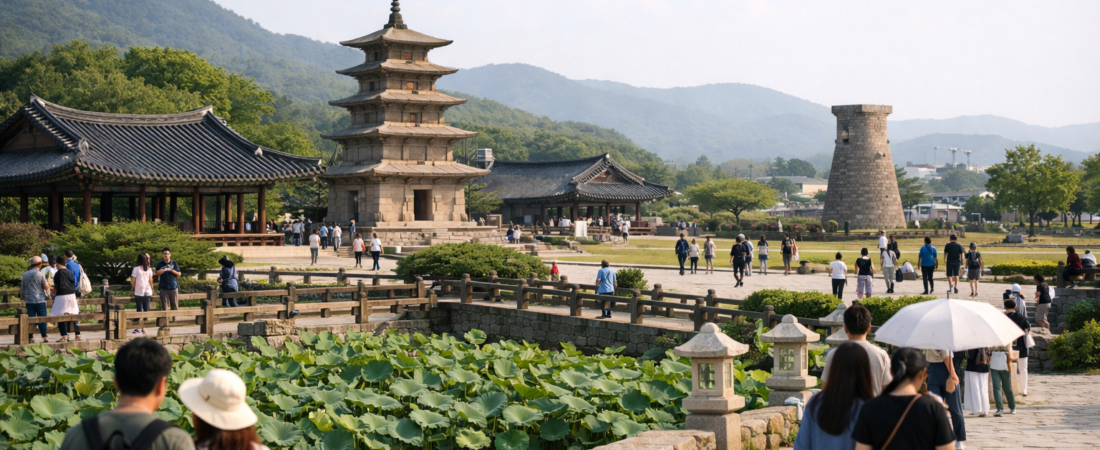
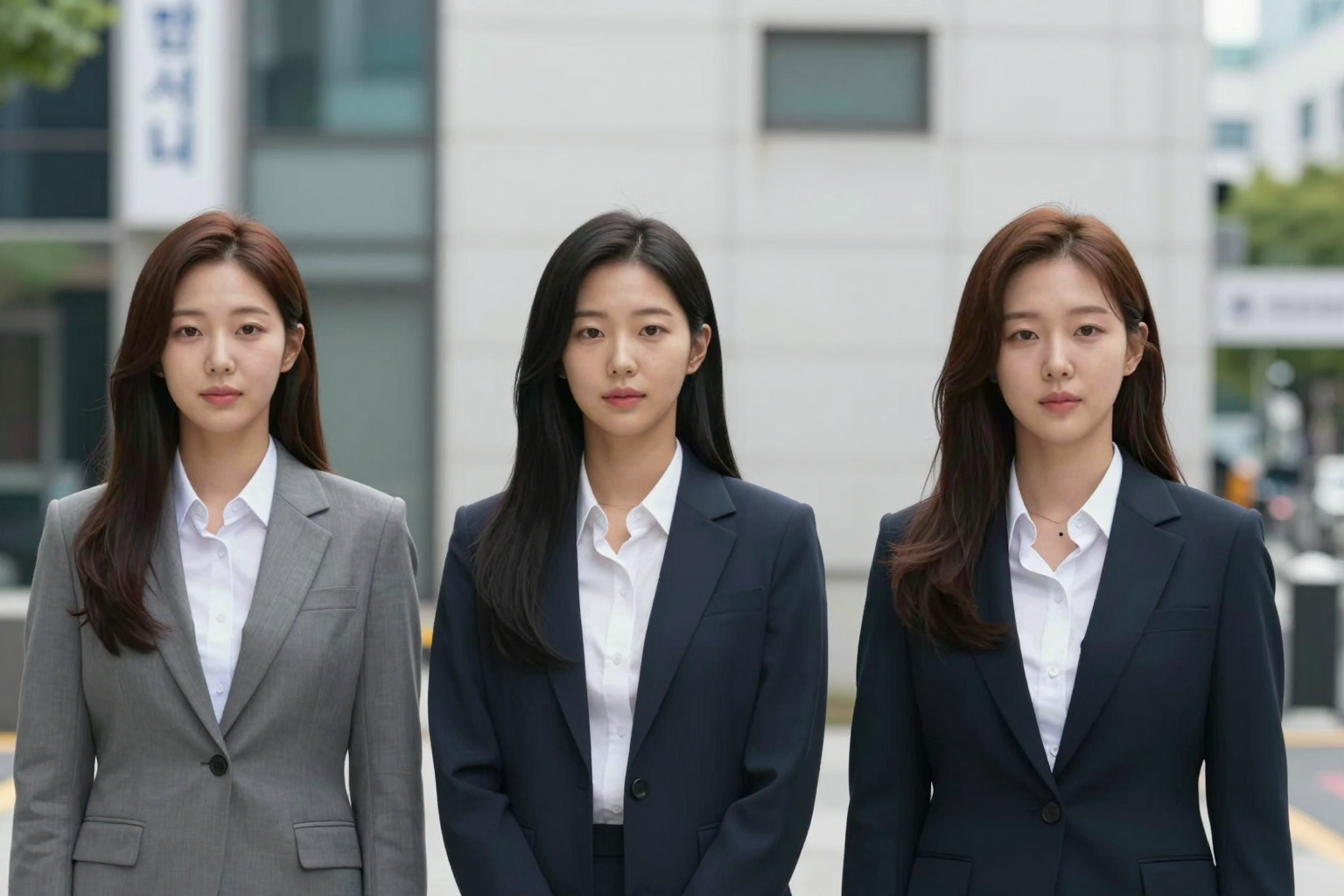
Gyeongju Trip centers on four women across two generations — mothers and daughters navigating a shared secret. The film opens with a striking image: the family staging a photo to create an alibi for a crime.
That single scene sets the tone for everything that follows. Is this a road trip movie, or a slow-building thriller wearing a family disguise?
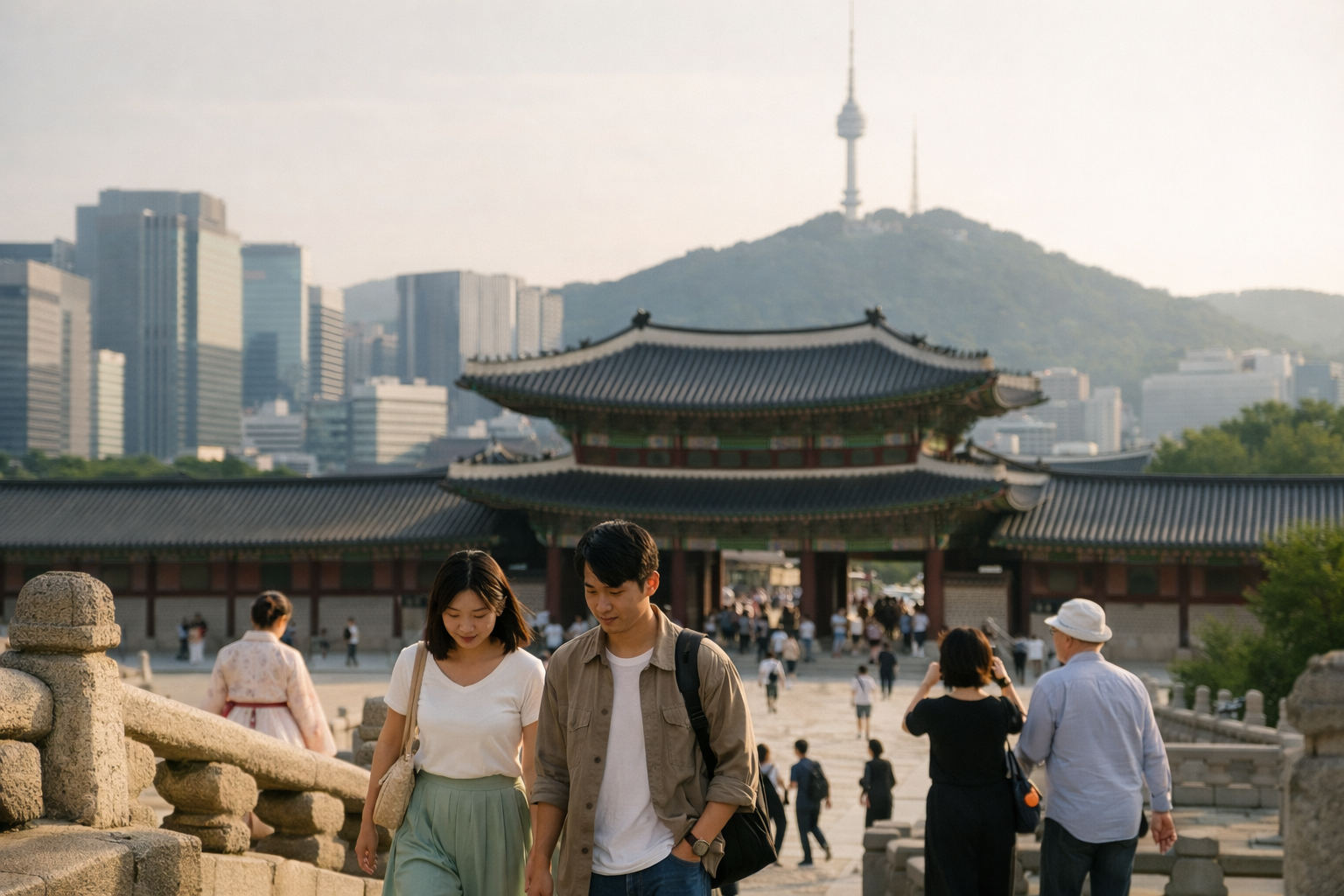
The answer, according to early reviews, is both at once. Distributed by Lotte Entertainment, Gyeongju Trip uses the historic city of Gyeongju — once the capital of the Silla Kingdom — as a backdrop that quietly contrasts ancient stillness with modern tension.
That contrast matters more than it seems. Gyeongju carries centuries of royal history, temples, and tombs, yet the film places a very contemporary crime plot inside that landscape.
The result feels almost cinematic irony — a peaceful heritage city hosting a story about deception and survival. Viewers looking for Gyeongju Trip expecting a gentle road movie should prepare for something sharper.
The film’s mothers and daughters are not simply loving. They are strategic, protective, and occasionally frightening in how far they go for one another.
That complexity is exactly what makes Gyeongju Trip stand apart from typical family cinema. Instead of resolving every conflict with a hug, it lets tension simmer through the genre mechanics of a crime thriller.
Bi-gwang: Noir Shadows Inside a Family Story

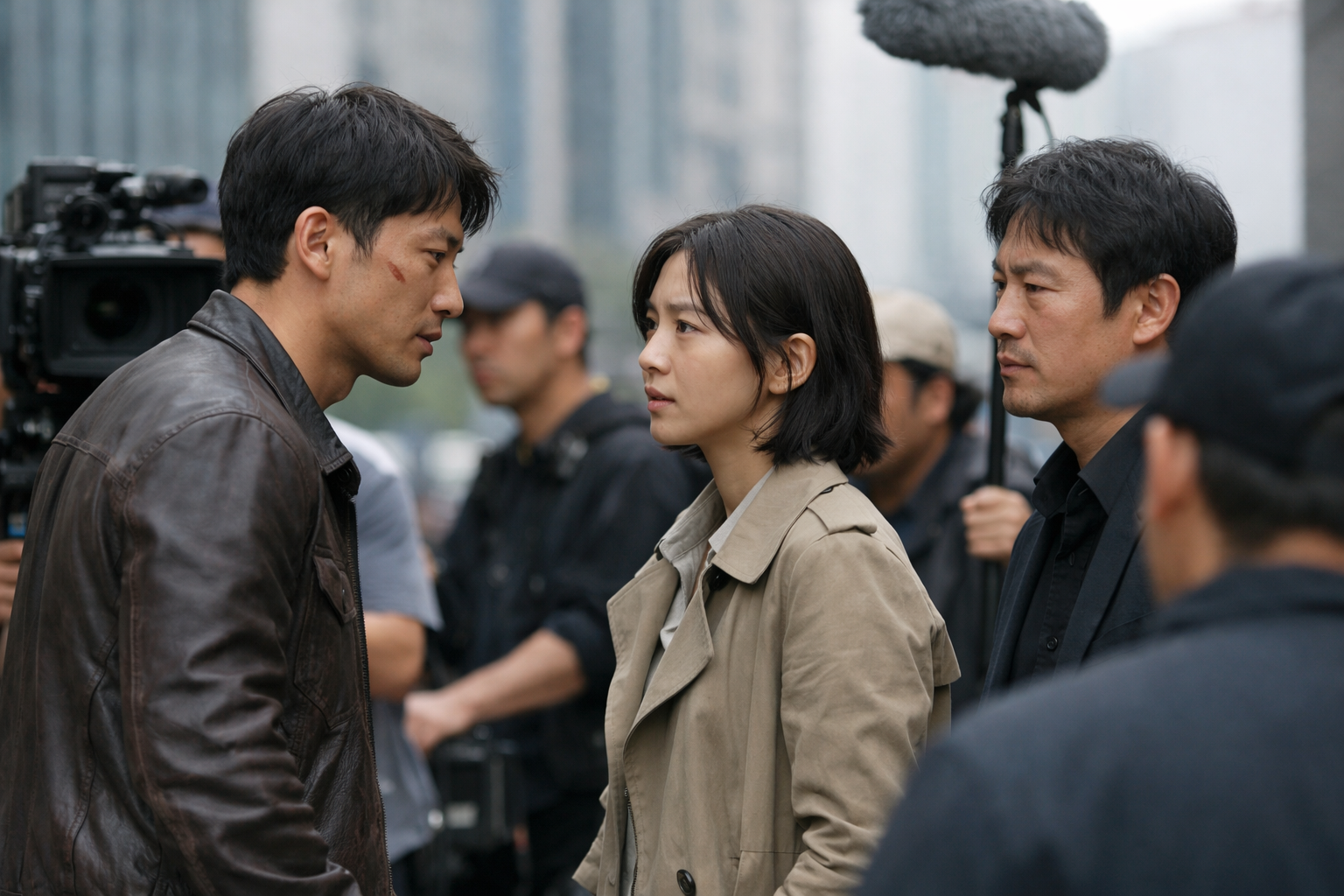
Bi-gwang takes a different route toward the same destination. Its noir styling brings darker lighting, morally ambiguous characters, and a slower, tenser pace than typical family fare.
Noir as a genre usually explores guilt, hidden pasts, and characters who are never fully good or bad. Placing that mood inside a family story creates an unusual friction — can you root for characters you also don’t fully trust?
That tension is the film’s biggest strength. Bi-gwang uses sibling conflict as its engine, letting old resentments surface through a noir lens rather than a typical tearful confrontation.
Korean cinema has flirted with noir aesthetics before, mostly in crime and gangster films. Bringing that same visual language into family storytelling is a smaller but meaningful experiment.
It suggests filmmakers are willing to blend genres that audiences assumed stayed separate. If Gyeongju Trip proves family drama can hold a crime plot, Bi-gwang proves it can hold noir atmosphere too.
(And yes, someone in the marketing room clearly decided a moody family drama needed a little extra shadow — pun very much intended.)
Why This Genre Shift Matters for Korean Cinema
Why does this genre-blending trend matter beyond these two films? Korean cinema has built a global reputation on mixing tones — think of how Parasite shifted from comedy to thriller within a single scene.
Gyeongju Trip and Bi-gwang continue that tradition on a smaller, more domestic scale. They ask audiences to hold multiple emotions at once: warmth and suspicion, love and fear, comfort and unease.
That is a harder trick than it sounds, and it says something about how Korean filmmakers view family itself. Real families are rarely just warm.
They carry secrets, old wounds, and quiet negotiations that never fully disappear. A film willing to show that honestly, without losing its emotional core, does something valuable for audiences tired of tidy endings.
Family closeness in Korean culture has always carried this double edge. The same bonds that offer protection and belonging can also create pressure, obligation, and things left unsaid at the dinner table.
Gyeongju Trip and Bi-gwang don’t resolve that tension neatly, and maybe that’s the point. Instead, they suggest that honesty about family’s harder edges can exist alongside genuine care — that acknowledging difficulty is not the opposite of love, but sometimes proof of it.
You can read more about the broader trends shaping Korean theatrical releases this season via Kyunghyang Shinmun. Both films arrive within a week of each other, giving theater audiences a chance to compare two very different approaches to the same emotional territory.
Will more Korean family films follow this genre-blending path? If Gyeongju Trip and Bi-gwang perform well, expect other directors to notice.
What do you think — should family films stay comforting, or is there real value in mixing genres like Gyeongju Trip does?
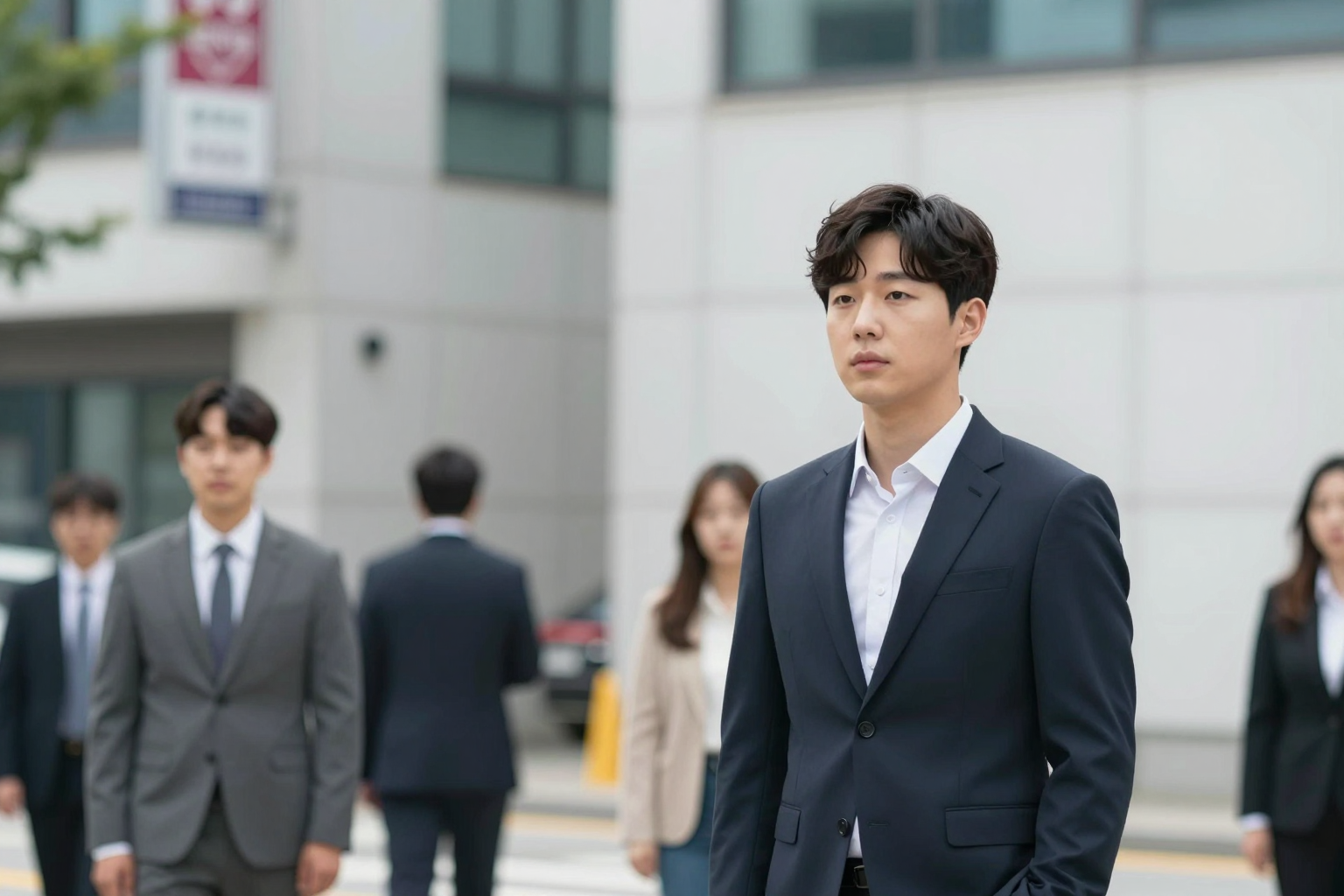
AI-Generated Photorealistic Image — All people, scenes, and details in this image are entirely AI-generated and fictional. Not a real photograph of an actual person or event. 이 이미지는 AI로 생성된 가상 이미지입니다.
Leave a Reply