Table of Contents
Korea’s Ministry of Culture, Sports and Tourism launched a $3 million voucher campaign on September 1. The government released 220,000 performance vouchers, each worth 10,000 won, to boost live performing arts attendance nationwide.
A New Push for Performing Arts
Have you ever skipped a play or concert simply because the ticket felt too pricey? Korea’s government seems to understand that hesitation. That’s exactly why this new campaign exists.
The 4.1 billion won initiative comes from a supplementary government budget. It marks the second phase of a larger effort to revive live entertainment after an initial rollout back in May.
This isn’t a random gesture. Live performance venues across Korea have struggled since the pandemic reshaped how people spend their leisure time.
Streaming replaced theater seats for many households. So this voucher drive targets a real gap in the performing arts ecosystem, not an imaginary problem.
How the Voucher Program Works
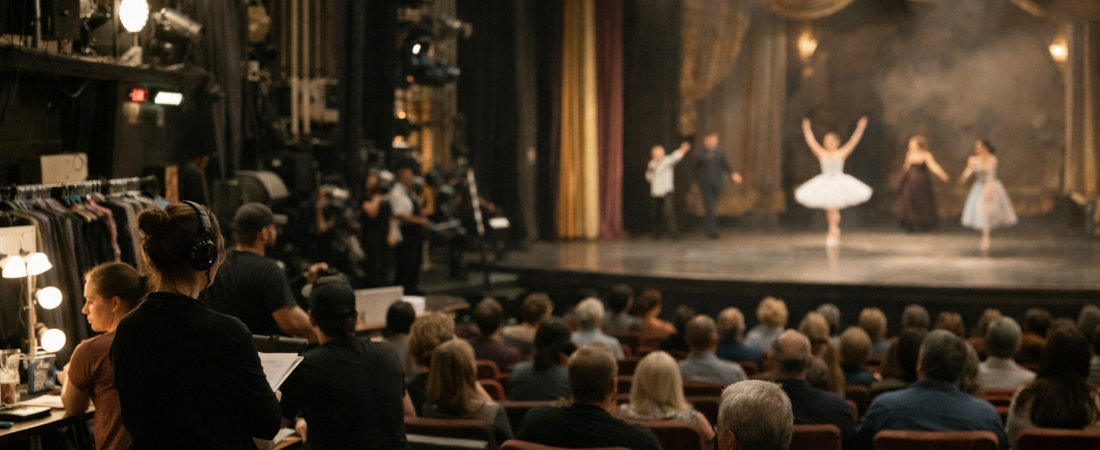
Starting September 1 at 10 a.m., theatergoers could claim up to two vouchers per week. Five major online ticketing platforms handle distribution, including Naver Booking, Yes24 and Ticketlink.
The vouchers apply broadly across the performing arts world. Theater, musicals, classical concerts, gugak (traditional Korean music), and dance performances all qualify.
Mainstream K-pop concerts and commercial pop dance shows, however, are excluded. Why draw that line?
The answer connects to funding priorities. K-pop already commands massive commercial success and global attention, so this program directs public money toward performing arts forms that need more support to survive.
Think of it as targeted triage rather than blanket generosity. The government wants smaller, less-hyped performances to get a real chance at audiences, not just the acts that already sell out arenas.
The campaign runs through November 30, covering a full autumn season of shows. That timing matters, too, since fall traditionally brings a wave of new theater and concert openings across Korea.
Closing Korea’s Cultural Divide

Seoul and its surrounding metropolitan area often absorb most of Korea’s cultural spending. Theaters, concert halls, and touring productions cluster where the population and money already exist.
Officials designed targeted interventions specifically for nonmetropolitan regions this time. That detail signals a deliberate effort to prevent Seoul, Gyeonggi Province, and Incheon from monopolizing the benefits again.
Why does this regional gap matter so much? Rural and smaller-city residents often travel hours just to see a live orchestra or a touring musical.
This kind of geographic imbalance isn’t unique to Korea, either. You can find similar tensions between capital cities and provincial regions in many countries, from France to the United States.
You can read more about the ministry’s broader cultural policy direction through outlets like Korea Times. Understanding this context helps explain why the government chose vouchers over other subsidy methods, like direct grants to venues.
What This Means for the Future of Performing Arts
Ticket subsidies alone won’t fix every challenge facing Korea’s performing arts sector. Rural venues still lack skilled staff, consistent funding, and reliable audiences even with cheaper tickets in hand.
But this program does point toward something hopeful. It shows a government willing to experiment, adjust after a first phase, and specifically address regional inequality rather than ignoring it.
There’s something quietly moving about a society choosing to fund shared human experiences like live music and theater. Sitting in a dark room with strangers, watching dancers move or actors speak lines, still creates a connection that a screen cannot fully replace.
Yet we should be honest, too — subsidies can’t manufacture genuine artistic passion where it doesn’t already exist, and a 10,000 won voucher won’t turn a reluctant viewer into a lifelong theater fan overnight. The real hope lies not in the voucher itself, but in what it makes possible: a first visit, a rediscovered habit, a regional theater staying open one more season. Small nudges like this one sometimes open doors that larger, flashier policies never reach.
Korea’s performing arts scene faces real structural challenges, from funding gaps to shrinking rural audiences. This voucher campaign won’t solve everything, but it offers a concrete, honest attempt at repair rather than empty promises.
(And if you’ve ever wondered why K-pop needs no extra help selling tickets — well, now you know where the government drew its line.)
Programs like this will likely evolve as Korea learns what actually gets people into theater seats. Will voucher campaigns become a permanent fixture of Korean cultural policy, or just a pandemic-recovery bridge?
What do you think — could a small ticket subsidy actually change your own habits around live performing arts?
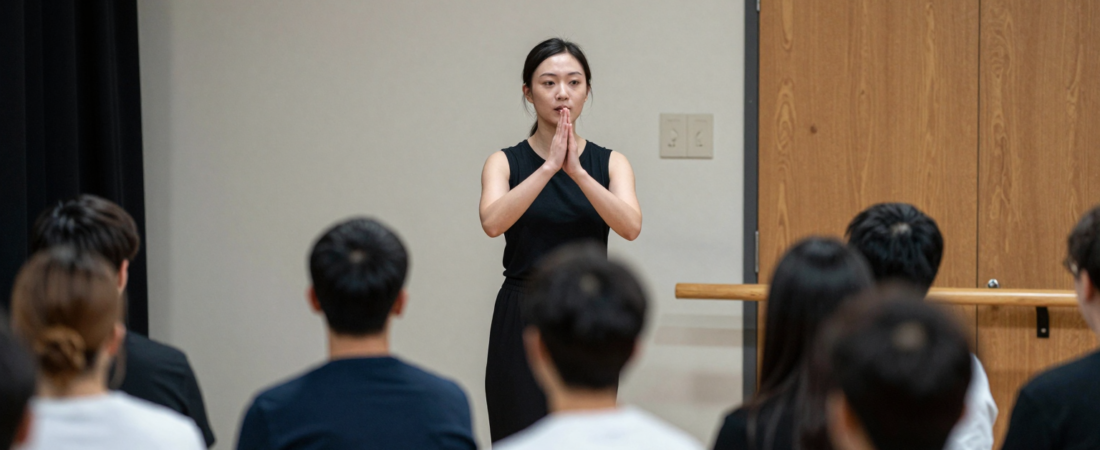
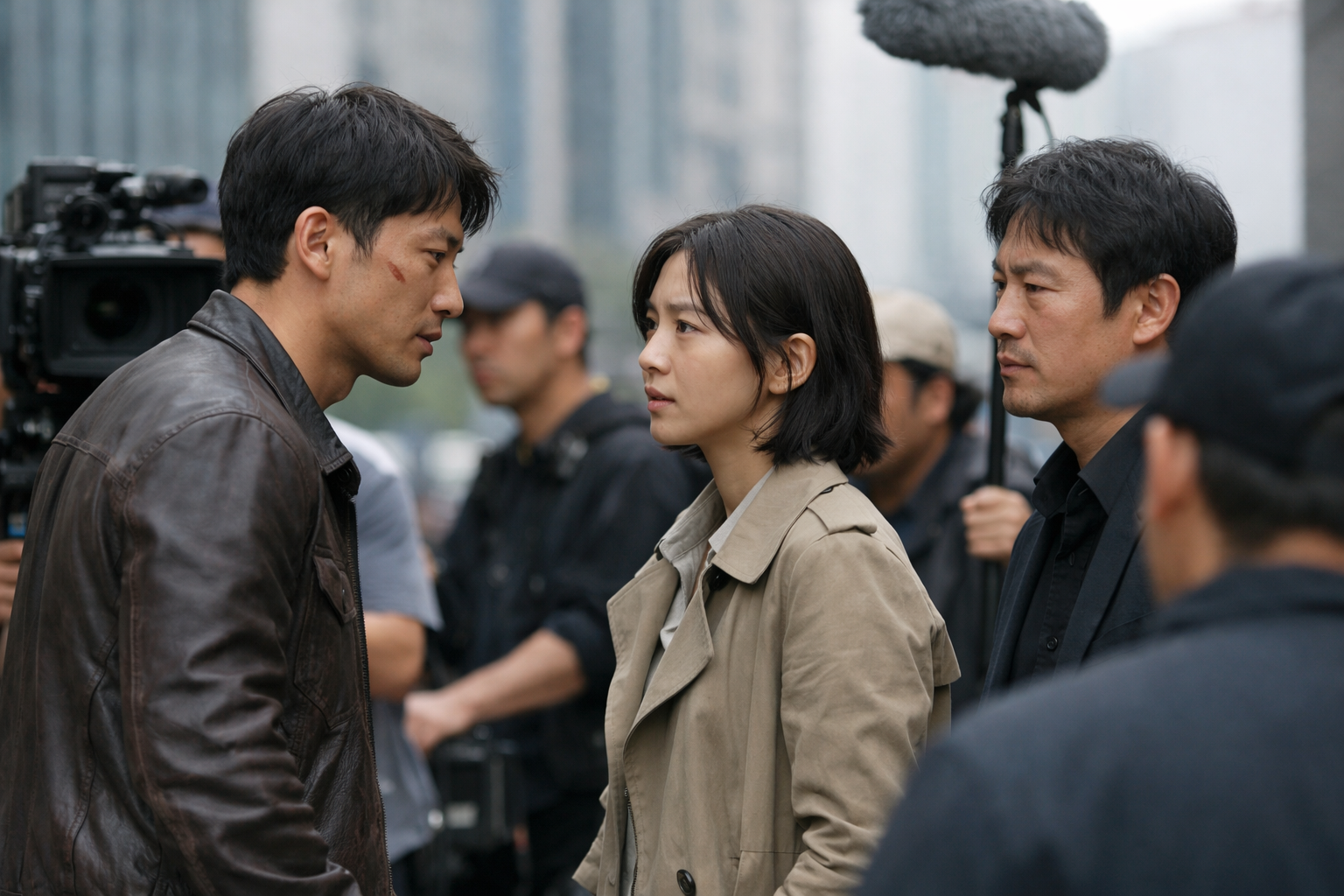
AI-Generated Photorealistic Image — All people, scenes, and details in this image are entirely AI-generated and fictional. Not a real photograph of an actual person or event. 이 이미지는 AI로 생성된 가상 이미지입니다.

Leave a Reply