Table of Contents
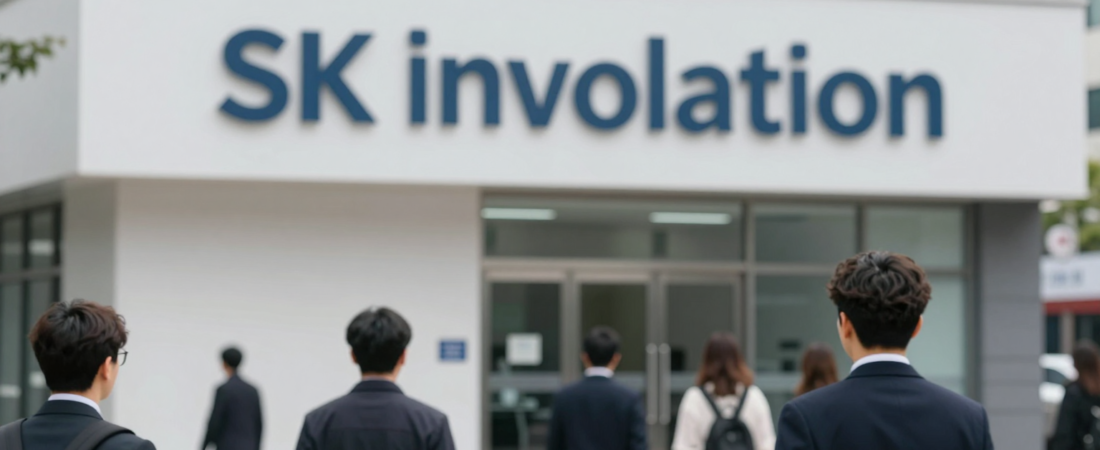
SK Innovation has spent ten years building Korea’s largest music festival for people with developmental disabilities. Since its launch, 326 teams and 3,313 participants have taken the stage through the Great Music Festival. This guide explains how the program works, why it matters, and what other organizations can learn from it.
What Is the Great Music Festival by SK Innovation
The Great Music Festival is a national competition open to people with developmental disabilities across Korea. SK Innovation, one of the country’s major energy companies, organizes and funds the event every year. Think of it less like a talent show and more like a stage built specifically so talent doesn’t have to fight for space.
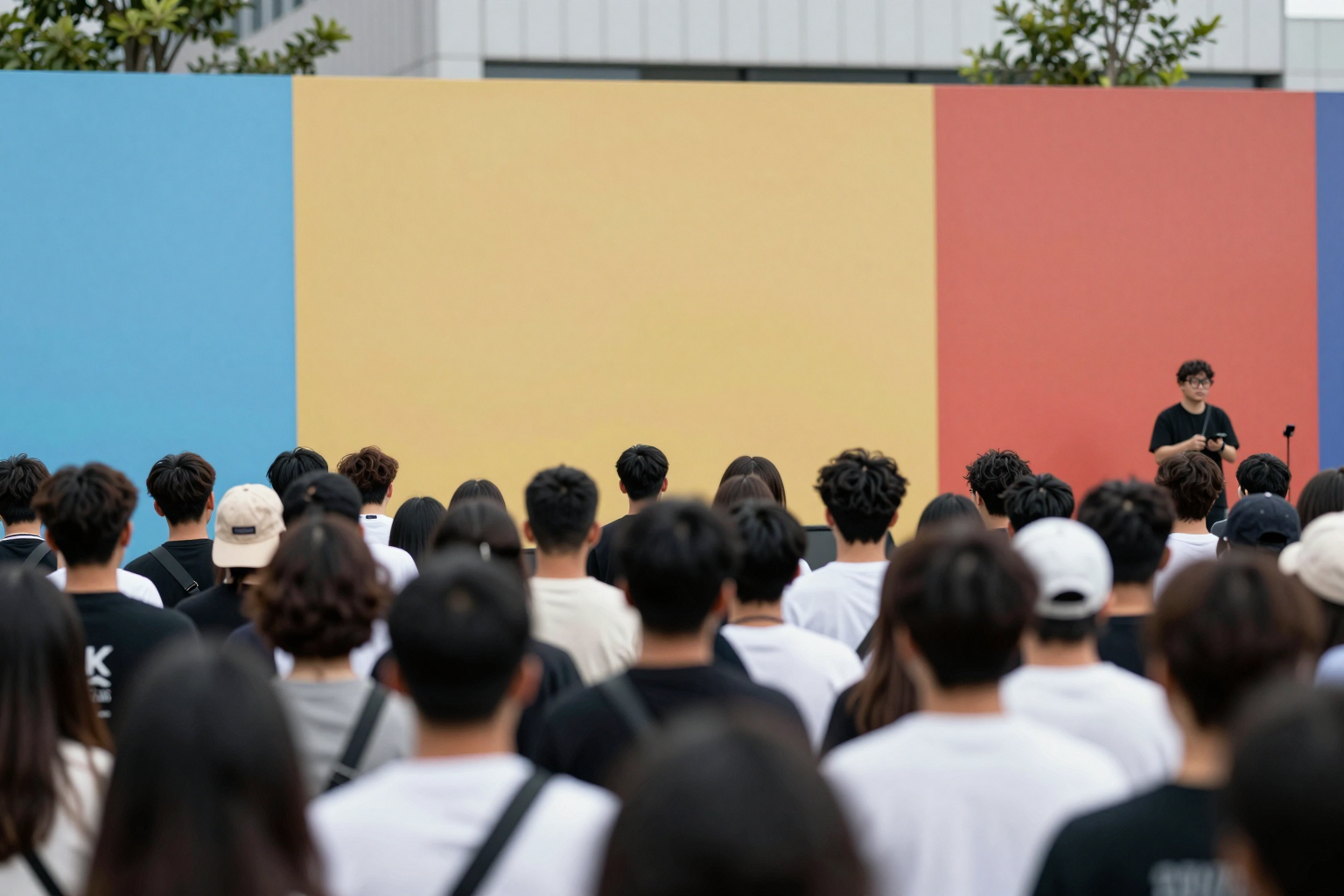
Participants form teams and perform music of nearly every genre, from traditional Korean folk songs to pop covers. Judges evaluate performances, but the festival’s deeper purpose goes beyond competition. It gives performers a rare public platform, something many disability advocates say is still too hard to find in Korea.
Have you ever wondered how many public stages actually welcome performers with developmental disabilities? In most countries, including Korea, the honest answer is not many. That scarcity is exactly why an event running for ten straight years carries real weight.
A Decade of Growth: How SK Innovation Built This Stage

SK Innovation did not start with 3,313 participants. The festival grew year by year, adding regional preliminaries, expanding categories, and inviting more families to participate alongside performers. That steady growth pattern tells you something important about sustainable corporate social programs.
Many corporate social responsibility campaigns launch with big announcements and fade within a few years. SK Innovation’s approach looks different. The company kept funding the same core mission for a full decade, which let organizers refine logistics, build trust with disability advocacy groups, and grow the applicant pool naturally.
This consistency matters more than any single year’s headline number. A festival that survives ten years builds institutional memory. Performers who competed as teenagers now return as mentors, and that kind of continuity is nearly impossible to manufacture overnight.
You can read more background on SK Innovation’s broader corporate initiatives through Yonhap News Agency, the original source covering this milestone.
Why Music Matters for Developmental Disability Inclusion in Korea

Music offers something that many other social programs cannot easily replicate. It gives performers a language that does not depend on typical verbal or academic skills. For many families raising a child with developmental disabilities, that alternative language becomes a lifeline.
Korean society has historically placed heavy emphasis on academic achievement and conformity. That cultural backdrop can make life harder for families who don’t fit the standard mold. So a mainstream company putting its name and budget behind a disability-focused music festival sends a signal that reaches beyond the concert hall.
Still, it’s worth being honest about the limits of a single festival. One event a year cannot fix the deeper structural gaps in education, employment, and daily accessibility that people with developmental disabilities face in Korea. But visibility matters, and visibility often comes before policy change, not after it.
Isn’t it worth asking what happens to these performers the other 364 days of the year? That question deserves attention, and it’s one advocacy groups continue to push toward companies like SK Innovation. The festival is a meaningful start, not a finish line.
What Global Readers Can Learn From SK Innovation’s Model
If you work in corporate philanthropy, education, or disability advocacy outside Korea, this model offers a few transferable lessons. First, long-term commitment beats short bursts of funding. Second, giving people a public platform changes perception faster than private support programs alone.
SK Innovation’s festival also shows the value of measurable growth. Tracking participation from a small first event to 3,313 people over ten years gives organizers concrete proof of impact. That kind of data helps convince skeptical stakeholders that inclusion programs deserve continued investment.
Real inclusion is rarely a straight line, and Korea’s own disability rights movement has faced plenty of setbacks alongside its progress. What gives me quiet hope here is not that one festival solves everything, but that ordinary institutions keep choosing to show up year after year. Progress often looks less like a breakthrough and more like a company simply refusing to quit.
The same closeness that makes a ten-year festival feel like family can also mask harder conversations about what still needs to change. Genuine care and unfinished work can exist in the very same room, and recognizing both at once is what keeps a program honest rather than merely comfortable. That balance, more than any single anniversary number, is what will decide whether the next ten years matter even more than the last.
SK Innovation’s festival will likely keep growing, and other Korean companies may follow with their own inclusion-focused programs. What do you think it would take for events like this to become standard practice worldwide, rather than a rare exception?
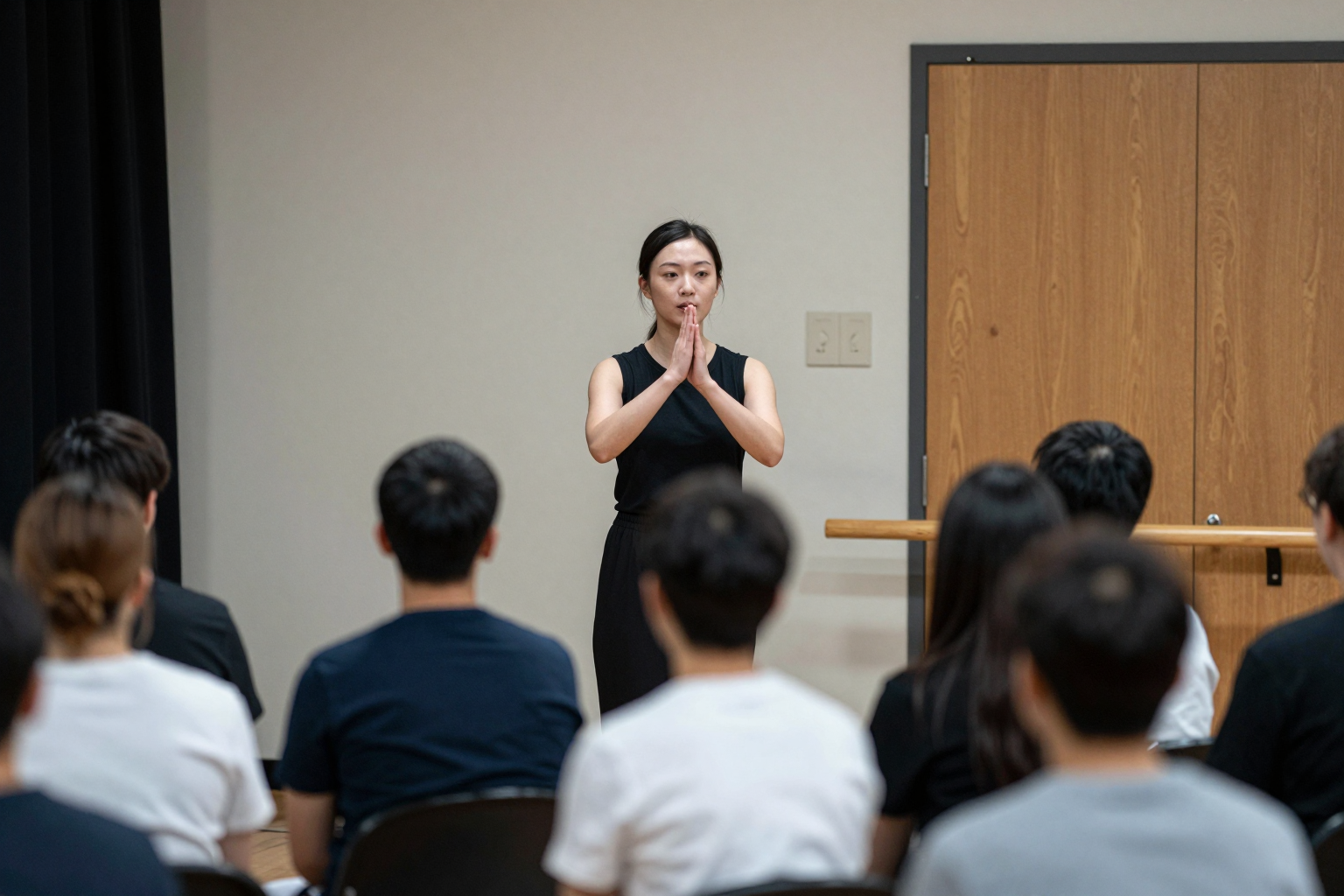
AI-Generated Photorealistic Image — All people, scenes, and details in this image are entirely AI-generated and fictional. Not a real photograph of an actual person or event. 이 이미지는 AI로 생성된 가상 이미지입니다.
Leave a Reply