Table of Contents
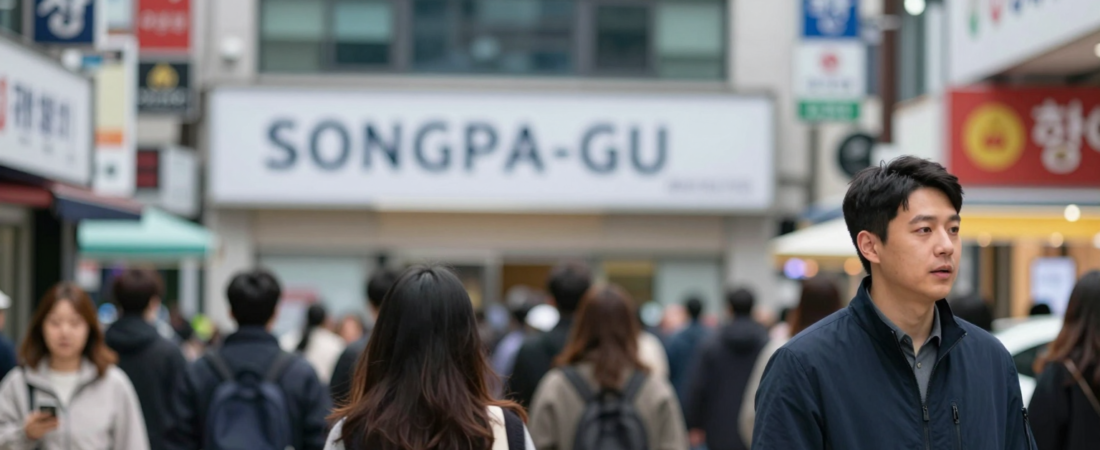
Songpa-gu, a district in southeastern Seoul, has added a new “Olympic Walking Trail” course to its guided walking tour program. Visitors now explore Olympic-era landmarks alongside nature and cultural sites, led by trained tour guides. The district hopes this addition draws more travelers to discover Songpa’s charm.
Have you ever walked through a neighborhood and felt history quietly following your footsteps? That’s exactly what Songpa-gu offers now. This district was once the beating heart of the 1988 Seoul Olympics, and its new walking course brings that legacy back to life.
Songpa-gu’s New Olympic Walking Trail
Songpa-gu runs a walking tour program where certified cultural tourism guides lead small groups through the district’s natural and cultural spots. The newest addition, the Olympic Walking Trail, links Olympic-related landmarks with nearby attractions in one cohesive route. This is not just a stroll — it’s a curated story of Seoul’s modern transformation.
The district government designed the course so visitors can experience both history and everyday local life in a single walk. Songpa-gu officials say the goal is simple: spread the word about the area’s appeal and boost tourism. Local walking tours like this one have become increasingly popular across South Korea (yes, even office workers now trade lunch breaks for a quick historical stroll).
What makes this course stand out is its dual identity. On one hand, you get Olympic history — stadiums, monuments, and public art from 1988. On the other, you get quiet parks, riverside paths, and neighborhood charm that most tourists never see.
Why Songpa-gu Matters for Seoul Travelers
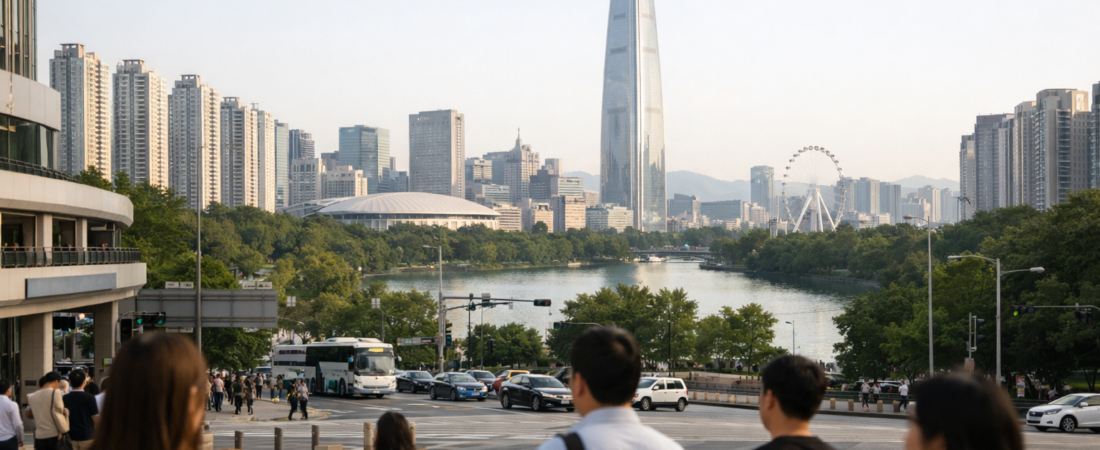
Songpa-gu sits in southeastern Seoul, home to Olympic Park, Lotte World, and the Han River’s eastern stretch. Many visitors pass through on their way to Lotte World Tower, Korea’s tallest building, without realizing the district holds much more. Songpa-gu’s Olympic legacy runs deeper than a single amusement park visit suggests.
Why does this matter if you’re planning a Seoul trip? Because Songpa-gu offers a rare combination — Olympic history, green space, and modern urban life all within walking distance. You can trace Korea’s rapid development story here, from a developing nation preparing to host the world in 1988 to the global city Seoul is today.
Walking tours also give you something a bus tour cannot: pace and perspective. You move slowly enough to notice details — a weathered monument, a quiet bench, a mural from decades ago. Songpa-gu’s decision to formalize this Olympic-themed route reflects a broader trend in Korean tourism toward slower, story-driven travel experiences.
What You’ll See on the Walk

The Olympic Walking Trail connects Olympic Park’s historic venues with surrounding cultural and natural sites in Songpa-gu. Expect to pass sculptures, ceremonial grounds, and green spaces built for the 1988 Games. Guides explain how these sites shaped modern Seoul’s identity on the world stage.
Beyond the Olympic landmarks, the route weaves through Songpa’s everyday neighborhoods. You might walk past local markets, riverside paths, or smaller parks that rarely appear in typical tourist guides. This mix gives visitors a fuller picture of what life in Songpa-gu actually looks like.
Cultural tourism guides accompany each group, offering context you simply can’t get from a map or an app. They share stories about how the 1988 Olympics transformed not just Songpa-gu, but South Korea’s global reputation. For more background on how Seoul prepared to host that pivotal event, resources like Yonhap News Agency offer helpful historical coverage.
Tips for Planning Your Visit
If you want to join a Songpa-gu walking tour, check the district office’s tourism page for current schedules and reservation details. Group sizes tend to be small, so guides can answer questions along the way. Comfortable shoes matter here — this is a walking tour, not a sightseeing bus ride.
Consider pairing the Olympic Walking Trail with a visit to Lotte World or the Han River park nearby. Songpa-gu rewards travelers who slow down and connect the dots between its past and present. That is precisely the value of preserved public spaces — they let ordinary people, not just historians, encounter history directly.
There’s something honest about a city choosing to walk its visitors through both triumph and ordinary life, side by side. Cities like Songpa-gu could easily reduce their Olympic legacy to a single monument or photo spot, and many places do exactly that. Choosing instead to weave history into everyday neighborhoods takes more effort, and it asks more of both planners and visitors.
That effort doesn’t erase the tension every fast-growing city faces — old landmarks competing with new towers, quiet streets pressured by growing tourist traffic. But Songpa-gu’s approach suggests a hopeful alternative: preservation through use, not through roping things off. When a place invites you to walk through it rather than simply look at it, it treats its history as something living, still worth caring for together.
Seoul’s tourism landscape keeps evolving, and Songpa-gu’s Olympic Walking Trail shows one direction that growth can take. Slower, story-rich travel experiences seem likely to keep gaining ground among visitors tired of rushed itineraries. What do you think — would you trade a quick photo stop for a slower walk through Songpa-gu’s Olympic history?
AI-Generated Photorealistic Image — All people, scenes, and details in this image are entirely AI-generated and fictional. Not a real photograph of an actual person or event. 이 이미지는 AI로 생성된 가상 이미지입니다.


Leave a Reply