
Table of Contents
Seoul now offers ten official night walking tour courses, up from nine, under its Seoul Dobo Haeseol Gwangwang program. The newest addition winds through the Namsan fortress walls, one of the city’s oldest defensive structures. This expansion is part of Seoul’s push to turn evening hours into a bigger draw for both residents and visitors.
Have you ever walked a city at night and felt like you saw it for the first time? Seoul’s Dobo Haeseol Gwangwang program is built on exactly that idea. Guided storytelling walks turn quiet streets into open-air history lessons, and the night version adds a completely different mood.
What Is Seoul Dobo Haeseol Gwangwang
Seoul Dobo Haeseol Gwangwang means “Seoul walking guided tourism” in plain English. It is a city-run program pairing trained guides with small groups exploring historic neighborhoods on foot. Guides explain the layers of history behind palace walls, market alleys, and hidden courtyards you would likely walk past otherwise.
The program has existed for years as a daytime offering, popular with both foreign tourists and curious locals. But daytime tours only capture half of what Seoul has to offer. Night brings lantern-lit streets, quieter palaces, and a totally different rhythm to the same neighborhoods.
That is exactly why Seoul Dobo Haeseol Gwangwang expanded its night lineup. Nine night courses simply were not enough to cover the city’s most atmospheric corners. Ten courses now let visitors choose based on interest, whether that is royal history, fortress walls, or riverside views.
Each course typically runs a few hours, led by a certified guide fluent in storytelling rather than just facts. This is not a rushed bus tour with a microphone. It is a slow, personal walk through centuries of history, told one street at a time.
The New Namsan Fortress Night Course
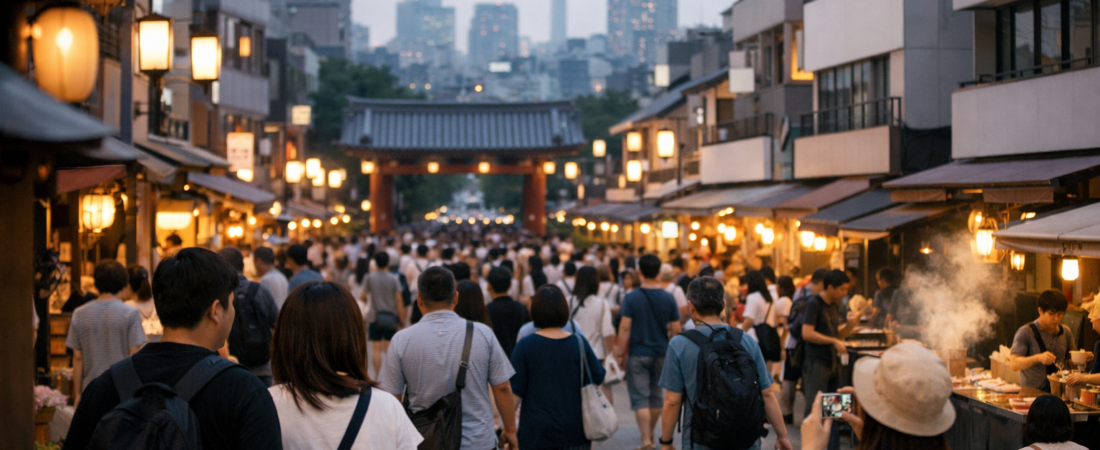
The standout addition to Seoul Dobo Haeseol Gwangwang is the Namsan fortress course. Namsan mountain sits near the heart of Seoul, and its ancient fortress wall dates back to the Joseon Dynasty. Walking this wall at night offers sweeping views of the city skyline, glowing beneath you like a circuit board.
Why choose a fortress wall as a night tour route? The answer lies in both symbolism and scenery. Namsan’s wall once protected the capital from invasion, and today it protects something else entirely: a quiet, walkable escape from Seoul’s constant motion.
Guides on this new course explain how the fortress was built, damaged, and rebuilt across centuries. You will learn why certain stone sections look different from others, a visible timeline of Korea’s turbulent history. It is history you can literally touch, not just read about in a museum display case.
The timing matters too. Namsan after dark feels different from the crowded daytime tourist spot most visitors expect. Fewer crowds, cooler air, and city lights stretching toward the Han River make this addition a genuine highlight of Seoul Dobo Haeseol Gwangwang’s expanded lineup.
Why Seoul Wants You Walking at Night
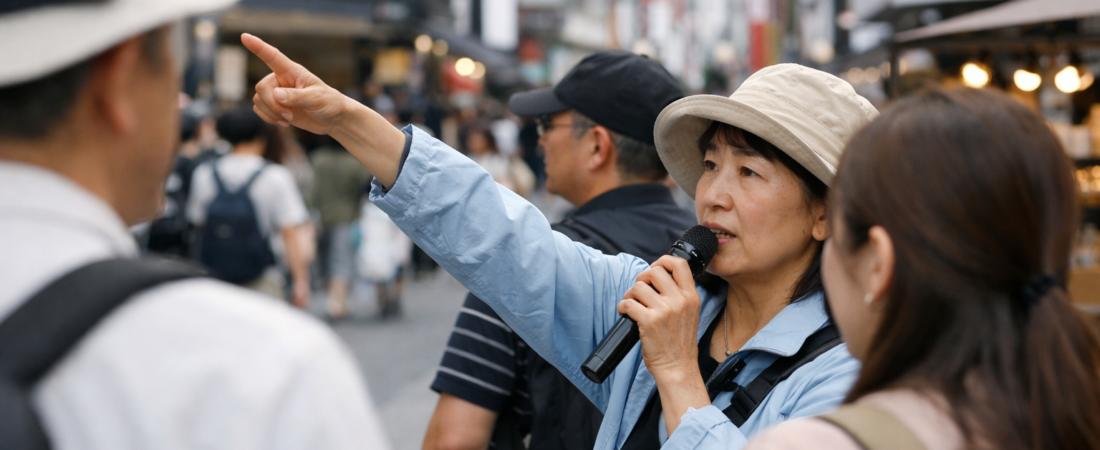
This expansion is not random. It connects to Seoul’s broader “24-Hour Vibrant Economic City” policy, an effort to keep the capital active well past sunset. City planners want more people staying out, spending time, and yes, spending money after dark.
Does this mean Seoul is trying to compete with 24-hour cities like Tokyo or New York? In some ways, yes. Late-night economies boost small businesses, transportation revenue, and tourism spending, all areas Seoul officials clearly want to strengthen.
Walking tours are a low-cost, high-impact way to do this. They require no massive infrastructure investment, just trained guides and thoughtful route planning. According to the Yonhap News Agency, city officials see Seoul Dobo Haeseol Gwangwang as a direct tool for extending visitor stays into the evening hours.
There is also a cultural angle worth noting. Korean night markets and late dining culture already run late by Western standards (imagine grabbing dinner at 10 p.m. and considering it perfectly normal). Night walking tours simply add a structured, educational layer to a culture that already embraces the after-dark hours.
How to Join a Night Walking Tour
Booking a Seoul Dobo Haeseol Gwangwang night course is straightforward, typically through the city’s official tourism website or visitor centers. Courses are usually free or very low cost, a deliberate choice to keep the program accessible. Groups tend to be small, which means more direct interaction with your guide.
What should first-time visitors expect? Comfortable walking shoes are essential, since most routes involve stone paths, stairs, or uneven terrain. Layered clothing helps too, since Seoul’s evening temperatures can shift quickly depending on the season.
Language support varies by course, so checking ahead matters if English guidance is a priority. Some routes, including popular palace and fortress paths, more commonly offer English-speaking guides due to demand from international travelers. Booking a week or more in advance is wise during peak travel seasons like autumn and spring.
Beyond logistics, there is something worth sitting with here. A city investing in walking tours is really investing in a slower way of seeing itself, one that resists the urge to rush past history for convenience.
That instinct deserves both appreciation and honest scrutiny. Slow tourism can genuinely deepen understanding, but it only works if guides are properly trained, funded, and not treated as an afterthought to bigger infrastructure projects. Seoul’s decision to keep expanding, rather than let the program stagnate at nine courses, suggests a real commitment rather than a one-time gesture.
If this expansion continues thoughtfully, Seoul Dobo Haeseol Gwangwang could become a model for how mid-sized cities balance economic goals with cultural preservation. The Namsan fortress course is a strong signal of what is possible when history and hospitality work together. What part of Seoul would you most want to explore after dark?
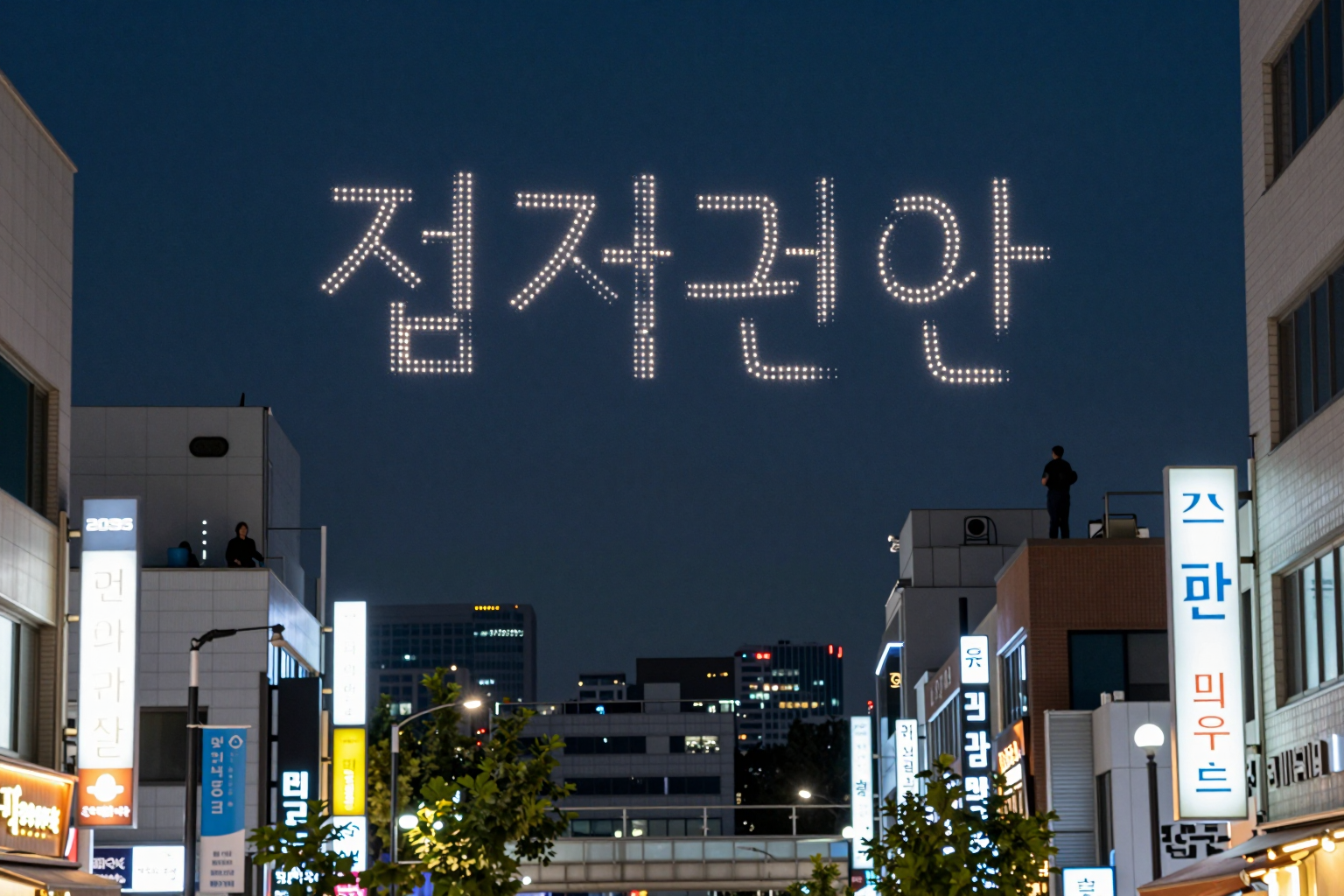
AI-Generated Photorealistic Image — All people, scenes, and details in this image are entirely AI-generated and fictional. Not a real photograph of an actual person or event. 이 이미지는 AI로 생성된 가상 이미지입니다.

Leave a Reply