Table of Contents
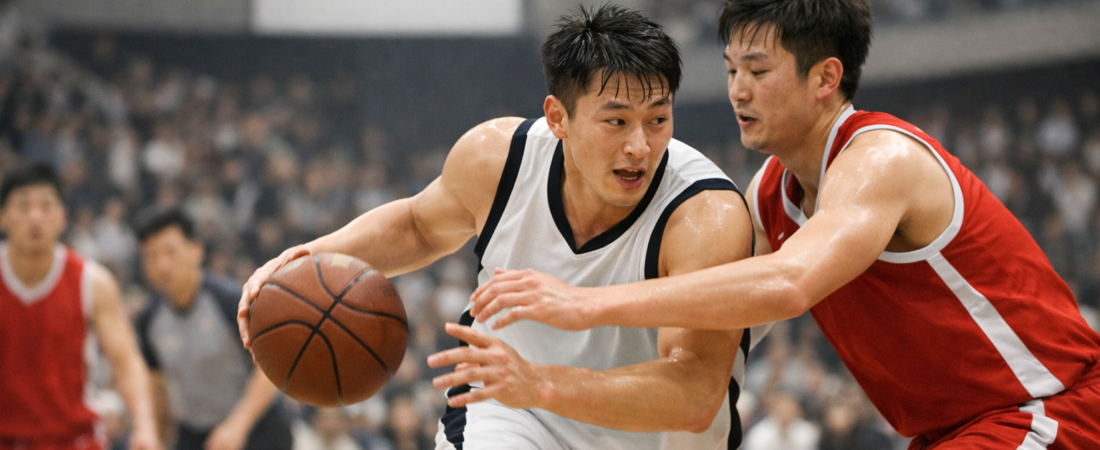
Goyang Sono, a professional basketball club in Korea’s pro basketball league, donated 11.27 million won in youth scholarships this month. The funds went to teenagers in the Goyang area to mark Social Welfare Day. Team captain Jeong Hui-jae helped lead the effort, alongside the full roster and club management.
Why would a sports club pause its season prep to write scholarship checks? It’s a fair question, and the answer says something about how pro basketball works in Korea today.
Goyang Sono’s Scholarship Gift
The donation came through the “Winners Youth Scholarship” program. It marked the 27th annual Social Welfare Day, observed every September 7 in Korea. Goyang Sono chose this date deliberately, tying its pro basketball identity to a broader community calendar.
The 11.27 million won gift supports students living in Goyang, the city Sono calls home. This is not a one-time gesture, either. Club officials say the scholarship fund reflects an ongoing commitment to local youth, not just a photo opportunity around a holiday.
You might wonder how much difference one scholarship fund actually makes. For a handful of Goyang families, it can mean the gap between finishing school comfortably or struggling with tuition costs.
Why Pro Basketball Teams Give Back
Korean pro basketball has long paired athletic competition with local outreach. Teams depend on their home cities for arena support, ticket sales, and fan loyalty. Community giving, in return, builds goodwill that outlasts any single season’s win-loss record.
Think of it as a relationship, not a transaction. Fans show up for playoff runs, sure, but they also remember which clubs showed up for their neighborhoods. That memory matters more over a ten-year span than any single dunk highlight.
Other Korean sports organizations follow similar patterns, donating to schools, hospitals, and welfare centers. You can read more about the broader landscape of corporate and sports philanthropy in Korea through outlets like Yonhap News Agency. Pro basketball, in this sense, functions as both entertainment and civic infrastructure.
Jeong Hui-jae’s Leadership Off the Court
As team captain, Jeong Hui-jae carries responsibility beyond scoring points. He helped organize the roster’s participation in this scholarship push. That kind of leadership rarely shows up in a box score, but it shapes how a team is remembered locally.
Captains in Korean pro basketball often serve as a bridge between players and the front office. Jeong Hui-jae’s involvement signals that the scholarship was not simply a management decision handed down from above. Players wanted a stake in the outcome, and that buy-in tends to make community programs last longer.
Does a captain’s off-court reputation affect on-court performance? Not directly, but it does affect how fans perceive the entire organization. A team seen as generous tends to earn patience during a losing streak — call it goodwill banked for a rainy fourth quarter.
What This Means for Korean Pro Basketball
Korean pro basketball faces real competition for attention against soccer, baseball, and global streaming entertainment. Community programs like Goyang Sono’s scholarship help the league stay rooted in local identity. Fans want more than highlight reels; they want to see their team invested in the city’s future.
This scholarship model is not unique to Sono, but it stands out for its direct focus on youth education. Other clubs in Korean pro basketball run similar welfare initiatives, though funding amounts and consistency vary. Goyang Sono’s approach, tying donations to a fixed national date each year, gives the program a predictable rhythm that students and families can count on.
Where does Korean pro basketball go from here? Expect more clubs to formalize scholarship funds rather than treat charity as a seasonal afterthought. As attendance numbers fluctuate across Korea’s sports leagues, community trust may prove just as valuable as a strong bench.
What do you think — should more professional sports teams in Korea tie player leadership directly to community giving programs like this one?
AI-Generated Photorealistic Image — All people, scenes, and details in this image are entirely AI-generated and fictional. Not a real photograph of an actual person or event. 이 이미지는 AI로 생성된 가상 이미지입니다.


Leave a Reply