
A Netflix Holdout Finally Gives In
A South Korean writer resisted subscribing to Netflix even during the global Squid Game craze, only to sign up in late August 2026 to watch the drama Extraordinary Attorney… actually, to watch Justice Class. Her reason was simple: she wanted to protect her attention from algorithm-driven binge culture. This small personal decision says a lot about how streaming shapes daily life across Korea today.
Have you ever refused to join a platform out of principle, only to cave later for one show you just had to see? That is exactly what happened here. The writer’s essay, published on OhmyNews, captures a tension many streaming users quietly feel.
Netflix wasn’t just an app to her. It represented a whole system of content delivery she distrusted. Her story raises a bigger question: can you really opt out of Netflix culture in 2026, or does the pull eventually win?
Why She Resisted Netflix for So Long

When Squid Game became a worldwide sensation, millions rushed to sign up for Netflix just to watch it. This writer did the opposite. She saw the show’s massive popularity as proof of something troubling: algorithms designed to keep you watching, scrolling, and reacting.
She worried that Netflix’s recommendation engine would erode her sense of calm. Not watching, she reasoned, was its own form of quiet resistance. Staying outside the platform felt like protecting a part of herself that constant stimulation might otherwise wear down.
This isn’t a fringe worry. Researchers have long studied how streaming algorithms optimize for engagement, not necessarily wellbeing. Her instinct to disconnect from Netflix reflects a broader cultural conversation happening in Korea and beyond, about screen time, attention spans, and what we lose when content never stops autoplaying.
Korea’s streaming market grew explosively in the years following Squid Game‘s success. Netflix invested heavily in Korean original content, turning the country into one of its most important production hubs outside the United States. For someone trying to avoid Netflix specifically, living in Korea during this boom must have felt like swimming against a very strong current.
The Show That Broke Her Resolve
In the end, it wasn’t peer pressure or FOMO that got her. It was one specific drama: Justice Class, a series she felt she needed to see for herself. She subscribed to Netflix in late August 2026, ending years of deliberate avoidance.
Why does one show succeed where an entire cultural phenomenon failed? Sometimes resistance isn’t really about the platform at all. It’s about timing, curiosity, and the specific story that finally speaks to you personally.
Her experience mirrors something many of us recognize. You can hold a firm boundary for years, and still cross it the moment content feels personally relevant rather than merely trendy. That distinction between “everyone is watching this” and “I need to watch this” turned out to matter more than any principle about Netflix’s algorithm.
This also says something about how Korean television has evolved. Dramas like Justice Class tackle social issues directly, from school violence to systemic failure, giving them a weight beyond simple entertainment. When content carries that kind of relevance, even determined holdouts start reconsidering their Netflix stance.
What This Netflix Story Teaches Us About Streaming Life
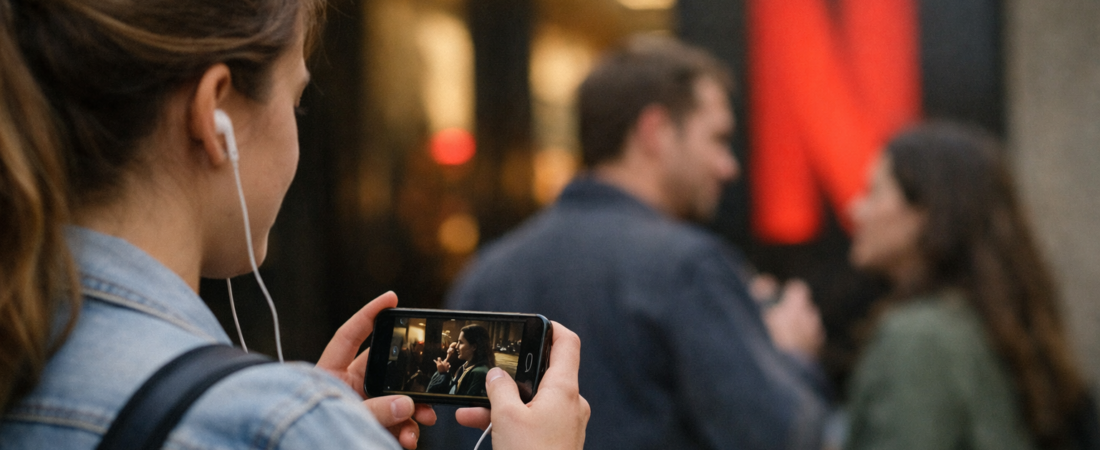
Her essay isn’t really about Netflix as a company. It’s about the daily negotiations we all make between values and convenience. Nearly everyone has drawn a line somewhere, only to move it later for something that felt worth the exception.
Is that hypocrisy, or is it just being human? Perhaps it’s neither. Perhaps it’s simply what living with technology actually looks like: imperfect compromises, made one show at a time.
There is a real cost here worth naming honestly. Algorithm-driven platforms like Netflix are genuinely built to maximize your time on screen, and that design can quietly reshape attention, mood, and even how patient we are with slower, quieter moments in life. Nobody should pretend that cost is imaginary.
But the same platforms have also made space for stories like Justice Class to reach global audiences, stories that spark real conversations about justice and fairness. The answer probably isn’t total avoidance or total surrender. It’s staying awake to why you’re clicking “next episode,” and choosing, every so often, to close the laptop instead.
Korean audiences are increasingly having this same conversation, weighing convenience against attention, connection against isolation. (Somewhere out there, someone has probably tried counting exactly how many hours Squid Game collectively stole from the nation’s sleep schedule.) That small moment of self-awareness, more than any subscription decision, is what actually protects the quiet she was trying to guard.
Streaming culture in Korea isn’t slowing down anytime soon. If anything, platforms like Netflix will keep producing more Korean originals, drawing in more reluctant subscribers just like her. What matters going forward isn’t whether you join Netflix, but whether you stay intentional once you do.
So here’s the real question worth sitting with: where is your own line between principle and curiosity, and what show might finally make you cross it?
AI-Generated Photorealistic Image — All people, scenes, and details in this image are entirely AI-generated and fictional. Not a real photograph of an actual person or event. 이 이미지는 AI로 생성된 가상 이미지입니다.



Leave a Reply