Table of Contents
Park Jin-young, the founder of JYP Entertainment, donated 100 million won—roughly $75,000—of his own money to sick children in Mexico. JYP Entertainment matched his generosity with an additional 450 million won. Together, the total support package reached 550 million won, close to $410,000.
Why does a K-pop mogul care about children thousands of miles away from Korea? That question sits at the heart of this story.
Park Jin-young is not just a music executive. He’s a father, a producer, and increasingly, a public figure known for quiet philanthropy. This latest gift adds another chapter to that reputation.
Park Jin-young’s $100,000 Gift to Mexico
According to reports, Park Jin-young personally set aside 100 million won for children battling illness in Mexico. He reportedly connected his decision to watching his own daughters grow up happy and healthy. That contrast, between his own good fortune and the struggles of children abroad, seems to have moved him to act.
JYP Entertainment did not stop at matching the gesture symbolically. The company added 450 million won on top of Park Jin-young’s personal contribution. That brings the combined total to 550 million won, a substantial sum by any measure.
Have you ever wondered what motivates already-successful people to keep giving? For Park Jin-young, it appears personal experience plays a bigger role than public image. Watching his daughters smile, he has said, reminds him that not every child gets that chance.
This isn’t a one-time publicity stunt. It fits into a longer pattern, one that stretches back years and crosses several countries. Understanding that pattern helps explain why this donation feels less like a headline and more like a habit.
Why This Donation Matters Beyond the Headlines
Numbers alone don’t tell the full story. Five hundred fifty million won can fund medical treatment, hospital equipment, or long-term care for children who might otherwise go without. In places where public health infrastructure is stretched thin, private donations like this one can make an outsized difference.
Mexico faces significant gaps in pediatric healthcare access, particularly outside major urban centers. International aid, even from unexpected sources like a Korean entertainment company, can fill real gaps. You might not think of K-pop and children’s hospitals in the same sentence, but Park Jin-young’s actions connect the two directly.
Is this kind of celebrity philanthropy sustainable, or just symbolic? That’s a fair question to ask. Sustainable giving usually requires structure, follow-through, and accountability, not just a single generous check.
JYP Entertainment appears to understand this. The company’s willingness to add nearly four and a half times Park Jin-young’s personal donation suggests institutional commitment, not just individual sentiment. For readers curious about the broader landscape of Korean corporate giving abroad, outlets like Maeil Business Newspaper continue to track these developments closely.
JYP Entertainment’s Pattern of Global Giving

This Mexico donation doesn’t stand alone. Park Jin-young and JYP Entertainment have built a track record of supporting children overseas, particularly in regions where the company’s artists tour or hold fan bases. That connection between business success and social responsibility seems deliberate.
K-pop’s global reach means companies like JYP now operate in dozens of countries. With that reach comes visibility, and with visibility comes a choice: ignore local struggles or respond to them. Park Jin-young appears to have chosen the latter, repeatedly.
Why would a music company invest in pediatric care instead of just marketing budgets? Because global fan loyalty, it turns out, isn’t only built on catchy songs and choreography. It’s also built on trust, and trust grows when companies show up for communities, not just concert venues.
(Koreans take their global brand image seriously—this is something of an understatement.) JYP’s giving strategy reflects a broader trend among Korean entertainment companies expanding their corporate social responsibility efforts internationally. As K-pop’s economic footprint grows, so does the expectation that companies give back to the places that support them.
What This Says About Korean Celebrity Culture
Korean celebrity culture often gets reduced to flashy debuts, comeback stages, and viral dance challenges. But underneath that surface, there’s a quieter tradition of giving that doesn’t always make international headlines. Park Jin-young’s donation is one example among many.
Korean society places real value on communal responsibility, especially among public figures who’ve achieved wealth and fame. That value can create genuine warmth, but it can also create pressure, an unspoken expectation that success must always be followed by visible generosity. Not every celebrity wants that spotlight, even when their giving is sincere.
Still, when generosity flows from personal experience rather than obligation, as it seems to here, it carries a different weight. Park Jin-young pointing to his own daughters as inspiration suggests something more human than calculated. That doesn’t erase the complexity of celebrity philanthropy as an institution, but it does offer a hopeful counterpoint to cynicism about it.
Where does this leave the rest of us, watching from outside the K-pop industry? Perhaps it’s a reminder that generosity often starts small, with a single family, a single moment of gratitude, before it scales into something larger. Park Jin-young’s 100 million won gift didn’t need to happen, but it did, and that choice matters more than any headline can capture.
What do you think about the role wealthy public figures like Park Jin-young play in addressing global health gaps?
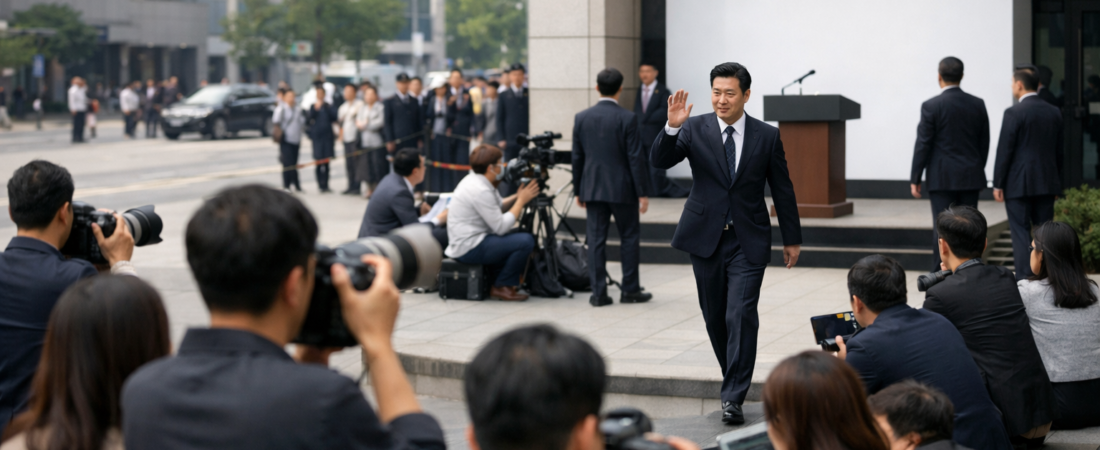
AI-Generated Photorealistic Image — All people, scenes, and details in this image are entirely AI-generated and fictional. Not a real photograph of an actual person or event. 이 이미지는 AI로 생성된 가상 이미지입니다.



Leave a Reply