
Table of Contents
Prosecutors have requested a 15-year prison sentence for Kim Beom-su, founder of Kakao, in his appeal trial over alleged stock price manipulation involving SM Entertainment. The Seoul High Court will announce its ruling on November 20, 2026. Kim Beom-su had been acquitted in the first trial, making this appeal a pivotal moment in Korean corporate law.
Fifteen years is not a light number. That is longer than many violent crime sentences handed down in Korean courts each year.
So why would prosecutors push so hard against someone who already walked away from this case once? The answer says a lot about how seriously Korean authorities now treat market manipulation among the country’s tech elite.
The Verdict Request: 15 Years for Kim Beom-su
On September 23, 2026, prosecutors formally requested a 15-year prison term for Kim Beom-su during his second-trial hearing at the Seoul High Court. Kim Beom-su currently serves as head of Kakao’s Future Initiative Center, a title he took after stepping back from daily operations. He remains, however, the company’s founder and largest shareholder in spirit if not in title.
This request stands in sharp contrast to the first trial’s outcome. There, the court found Kim Beom-su not guilty of manipulating SM Entertainment’s stock price. That acquittal surprised many observers who had followed the case closely since Kakao’s dramatic 2023 bid to acquire SM Entertainment.
Prosecutors clearly believe the lower court got it wrong. Their 15-year request signals confidence that new arguments or evidence will persuade the appellate judges differently. Will the higher court side with prosecutors, or will it uphold the original not-guilty finding? That question now hangs over Korean business circles until November.
From Acquittal to Appeal: What Changed

Understanding this case requires understanding the original allegations. Prosecutors accused Kim Beom-su and Kakao executives of artificially inflating SM Entertainment’s share price during the 2023 bidding war with HYBE, the agency behind BTS. The goal, according to prosecutors, was to block HYBE’s competing tender offer by making shares too expensive to acquire easily.
The first trial ended in acquittal, a result that stunned many who had watched Korean financial regulators pursue this case aggressively. Courts require prosecutors to prove intent beyond reasonable doubt in stock manipulation cases. That is a high bar, and the first-instance judges apparently found the evidence insufficient.
Appeals in Korea’s legal system allow prosecutors a fresh chance to present their case. This is not simply a repeat of the first trial. Prosecutors have had time to refine their arguments, and their decision to seek an even harsher sentence than typically requested suggests they see this second attempt as their strongest chance yet.
You might wonder why prosecutors would ask for such a severe sentence rather than something more modest. In Korean legal practice, sentencing requests often exceed what courts actually impose, functioning almost as an opening position. Still, the scale of this request tells you how seriously prosecutors view the alleged offense.
The Kakao-SM Entertainment Battle Explained

Back in early 2023, Kakao and HYBE fought a fierce, public battle for control of SM Entertainment, one of Korea’s original “Big Four” K-pop agencies. SM Entertainment had launched acts like Girls’ Generation, EXO, and Red Velvet, making it a prized asset in the entertainment industry. Whoever controlled SM Entertainment would gain enormous influence over Korea’s global pop culture exports.
HYBE, led by Bang Si-hyuk, moved first with a tender offer to acquire a controlling stake. Kakao responded by buying up shares through its own channels and through Kakao Entertainment, its media subsidiary. This is where prosecutors say the alleged manipulation occurred, as Kakao allegedly coordinated purchases to drive up the share price artificially.
Kakao ultimately won the battle, becoming SM Entertainment’s largest shareholder. That victory reshaped the K-pop industry’s ownership landscape almost overnight. Financial authorities, including the Financial Services Commission, opened investigations soon after, suspecting the price movements were not simply the product of normal market competition.
You can find more background on the original financial investigation through Yonhap News Agency, which has tracked this case since its earliest stages.
What This Case Means for Corporate Korea
Kim Beom-su’s case has become something of a bellwether for corporate accountability in Korea. Founders of major conglomerates and tech companies have historically faced lighter consequences than ordinary citizens for similar financial charges. Is that pattern finally starting to shift?
Korean society has grown less patient with the idea that wealth or corporate status buys legal leniency. Recent years have seen harsher scrutiny of chaebol leaders and tech founders alike, from Samsung’s Lee Jae-yong to various startup executives. Kim Beom-su’s appeal outcome, whichever direction it goes, will add another data point to this ongoing conversation.
There is real tension here worth naming honestly. Korea’s fast-growing tech sector needed bold founders willing to take big risks, and that same boldness sometimes blurs into rule-bending when billions of won and market dominance are at stake.
Yet there is also a genuine shift happening within Korean regulatory bodies and courts, one that increasingly treats founders and everyday investors as accountable to the same rules. That shift will not resolve every case cleanly, and November’s ruling may satisfy no one completely. Still, the fact that a company founder faces a possible 15-year sentence at all shows that Korean institutions are testing whether accountability can apply evenly, regardless of how much influence someone holds.
Kakao’s stock and reputation will likely feel ripple effects no matter what the Seoul High Court decides on November 20, 2026. Investors watching Korean tech companies should pay close attention, since this ruling could influence how aggressively future corporate acquisitions get structured. The K-pop industry, still recovering from the SM Entertainment ownership drama, will also be watching closely (some industry insiders joke that SM Entertainment’s shareholder meetings have produced more plot twists than its own drama subsidiaries).
What do you think happens on November 20? Will the Seoul High Court reverse the acquittal and impose real consequences on Kim Beom-su, or will his original not-guilty finding stand once again?
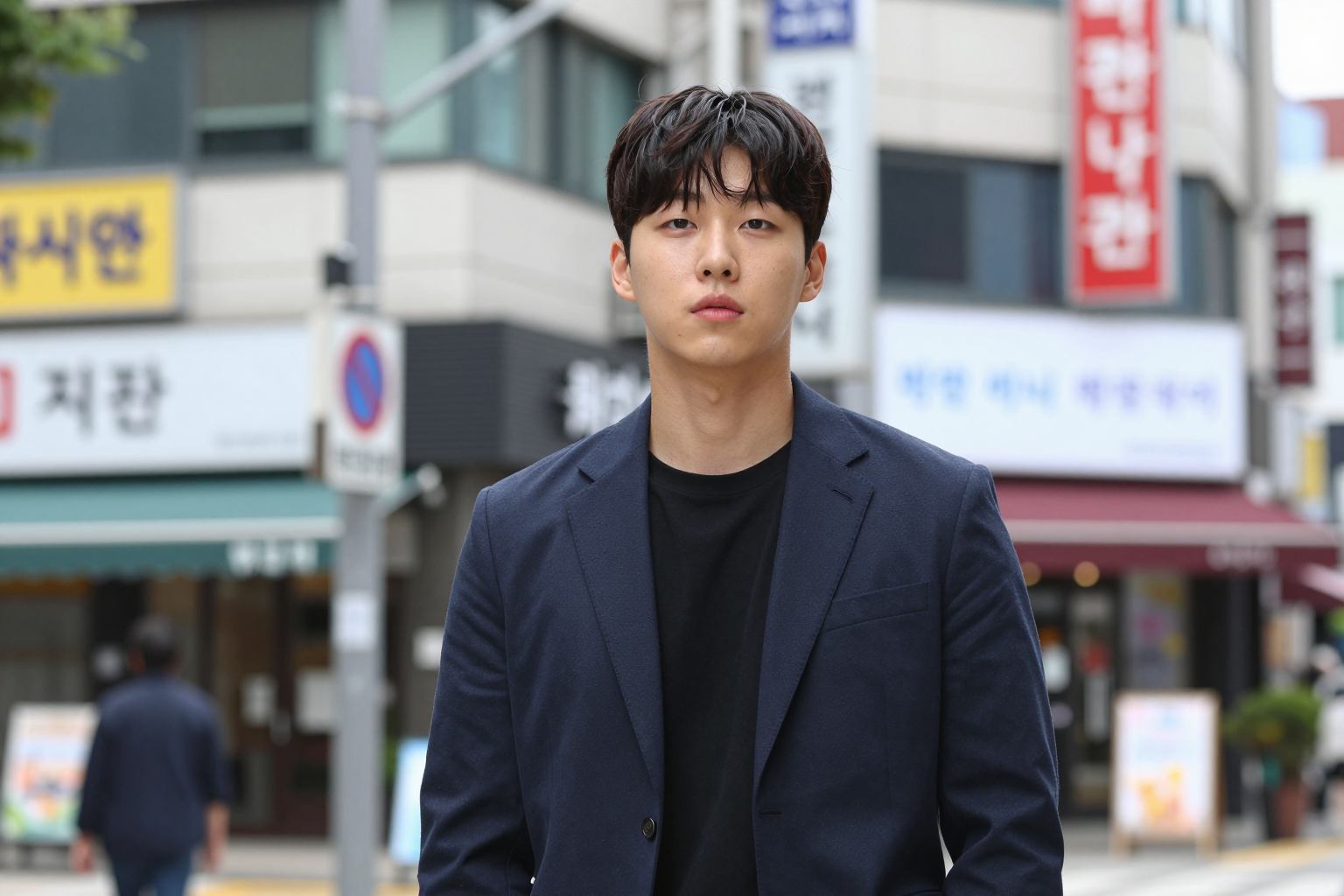
AI-Generated Photorealistic Image — All people, scenes, and details in this image are entirely AI-generated and fictional. Not a real photograph of an actual person or event. 이 이미지는 AI로 생성된 가상 이미지입니다.


Leave a Reply