Table of Contents
A Constitutional Complaint Over Prison Heatwave Conditions
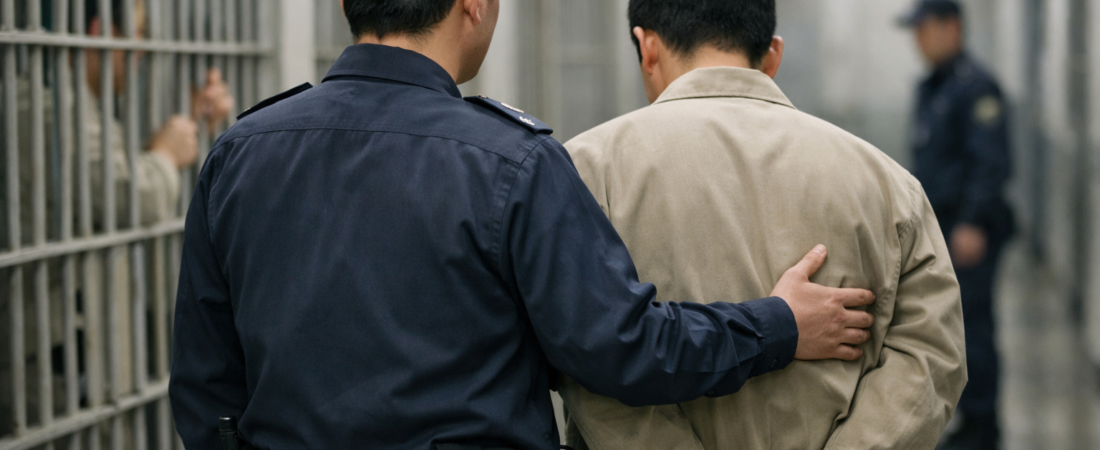
A constitutional complaint has been filed in Korea, arguing that leaving prison inmates exposed to extreme summer heat violates their basic rights. The complaint targets correctional facilities where detainees reportedly endured brutal temperatures with little protection. This case puts prison conditions and inmate welfare back into the national spotlight.
You might wonder why a heatwave complaint about a prison would matter to anyone outside Korea. Here’s the thing: how a country treats its most vulnerable and powerless citizens often reveals its true character. A prison cell during a heatwave becomes a sealed box of concrete and steel, and that detail matters more than most people realize.
The complaint focuses specifically on the state’s duty to protect people in its custody. Once someone enters a correctional facility, they lose the freedom to escape dangerous conditions on their own. That loss of control is exactly why this legal challenge carries weight.
Why Heat Inside a Korean Prison Is Different
Korean summers have grown noticeably hotter over the past decade, with heatwave warnings now a near-yearly occurrence. Seoul and other major cities regularly see temperatures climb past 35 degrees Celsius in July and August. Inside older correctional facilities, though, the heat can feel even more punishing.
Many Korean prison buildings were constructed decades ago, long before climate change reshaped what a “normal” summer looks like. Thick concrete walls trap heat rather than release it. Ventilation systems in some facilities remain basic, and air conditioning is often limited to select areas rather than individual cells.
Picture spending twenty-three hours a day in a small room with no way to cool down (not exactly a spa retreat). For inmates with existing health conditions, elderly detainees, or those on medication, the risks multiply quickly. Heat exhaustion and heatstroke are not abstract dangers here; they are real medical emergencies that have occurred in custody settings before.
This is precisely why the prison heatwave issue keeps resurfacing in public debate. Advocacy groups have pointed to this gap for years, but funding and infrastructure upgrades move slowly. The current constitutional complaint pushes that slow-moving conversation into urgent, legal territory.
The Legal Question at the Heart of the Case
At its core, this constitutional complaint asks a direct question: does the government have a duty to actively protect inmates from environmental harm? Korea’s Constitution guarantees human dignity and the right to be free from cruel treatment. The complaint argues that passive neglect during extreme heat crosses that line.
Is doing nothing the same as doing harm? That question sits at the center of many human rights cases worldwide, not just in Korea. When a person cannot leave a dangerous environment, the responsible authority arguably takes on an obligation to intervene.
Korea’s Constitutional Court has previously ruled on prison conditions, including cases involving overcrowding and inadequate medical care. Those precedents show the court is willing to scrutinize how correctional facilities treat inmates. You can read more background on constitutional rights cases through Yonhap News Agency, which has tracked this story closely.
If the court rules in favor of the complaint, correctional authorities could face mandates to install better cooling systems. That outcome would carry real budgetary and logistical consequences for the Ministry of Justice. Prison administrators would need to rethink how facilities handle extreme weather going forward.
What This Means for Human Rights in Korea
This case reflects a larger pattern in how Korean society debates institutional accountability. Prisons rarely draw public sympathy, and that makes reform slower than it should be. Few voters prioritize inmate welfare at the ballot box, and that reality shapes how quickly change actually happens.
Yet here’s an honest tension worth sitting with. A society that ignores the suffering of the incarcerated risks numbing itself to suffering more broadly, and that numbness rarely stays contained to one group. At the same time, Korea has shown real capacity for course correction, with past constitutional rulings on prison medical care and overcrowding leading to genuine policy shifts.
That track record offers a reason for cautious hope rather than cynicism. Legal advocates, journalists, and ordinary citizens filing complaints like this one are part of a quiet, steady process of accountability. Progress in this area rarely arrives as a dramatic breakthrough; it tends to look more like this complaint, one persistent effort at a time.
Looking ahead, this prison heatwave complaint could shape how Korea prepares its correctional facilities for a warming climate. As summers grow hotter across the region, this is not a problem that disappears on its own. Countries that treat inmates with basic dignity during extreme weather tend to build more resilient institutions overall.
What do you think about the balance between punishment and protection inside a prison system? Should climate adaptation extend to correctional facilities as a basic right, not an afterthought?
AI-Generated Photorealistic Image — All people, scenes, and details in this image are entirely AI-generated and fictional. Not a real photograph of an actual person or event. 이 이미지는 AI로 생성된 가상 이미지입니다.


Leave a Reply