
Table of Contents
South Korean lawmakers from both ruling and opposition parties are now demanding a full overhaul of byeongyeok teukrye, the military service exemption system, after a national soccer player’s case reignited public anger. The exemption program, created more than 50 years ago to reward athletes who “brought honor to the nation,” is facing its biggest political test in years. As of this week, politicians across the aisle are calling the decades-old rule outdated and overdue for change.
Right now in Korea, this story is everywhere. A single soccer player’s exemption case has turned into a national conversation about fairness, and it is not slowing down anytime soon.
What Just Happened: The Soccer Star Controversy
A member of the national soccer team recently qualified for a military service exemption under byeongyeok teukrye. The move sparked immediate backlash online and in the National Assembly.
Why does one athlete’s exemption matter so much to an entire country? Because in Korea, military service is not optional for most men, and every exemption gets scrutinized like a courtroom case.
Lawmakers from the Democratic Party of Korea and the People Power Party both weighed in this week, a rare moment of agreement in an otherwise divided National Assembly. Both sides say the byeongyeok teukrye framework no longer matches its original purpose. That kind of bipartisan alignment does not happen often in Korean politics, so people are paying attention.
Understanding Korea’s Byeongyeok Teukrye System
Byeongyeok teukrye, or military service exemption, dates back more than five decades. It was designed to reward athletes, musicians, and other individuals who achieved international recognition and “raised national prestige” abroad.
Under the current rules, Olympic medalists, Asian Games gold medalists, and certain classical musicians can qualify for exemption from Korea’s mandatory two-year service. Instead, they typically complete alternative service, such as public interest work, while still technically remaining part of the system.
But here’s the real question: does winning a medal in 2026 carry the same national meaning it did in the 1970s? Critics argue the byeongyeok teukrye criteria freeze an old idea of national pride in place. Korea has changed dramatically since this system began, and many say the rules never caught up.
You can see the tension clearly in how differently categories are treated. A soccer player who performs well at the Asian Games can qualify, while a K-pop star who tops global charts cannot, unless they serve in full. That inconsistency is exactly what is fueling today’s political push, and you can read more background on South Korea’s conscription framework from JTBC News.
Why BTS Keeps Coming Up in This Debate
The phrase “even BTS went” has become shorthand in this controversy, and it is doing a lot of political work. BTS members, despite massive global fame and economic impact, were not exempted under byeongyeok teukrye. They completed their mandatory service like any other Korean man.
That contrast stings for many citizens. If K-pop’s biggest global export had to serve without exception, why should a soccer player get special treatment through a narrower legal pathway (no boy band privileges here, apparently)?
This comparison is not just emotional, it is strategic. Lawmakers are using the BTS precedent to argue that byeongyeok teukrye draws arbitrary lines between fields of achievement. Sports gets a formal exemption track, entertainment largely does not, and critics say that gap no longer makes sense in a country where K-pop generates more global attention than most amateur sports leagues.
Public opinion surveys in recent years have shown mixed but shifting views on military exemptions overall. Younger Koreans, in particular, tend to favor equal treatment regardless of profession. That generational shift is part of why this debate feels different from past controversies.
What Reform Could Look Like
So what happens next? Lawmakers have floated several ideas, from narrowing eligibility criteria to abolishing byeongyeok teukrye altogether and replacing it with a points-based alternative service model.
Some proposals suggest keeping exemptions only for Olympic gold medalists, tightening a system that currently includes Asian Games winners and several international competitions. Others want a full merit review process open to all fields, including entertainment, science, and the arts, not just athletics.
Here is the harder truth beneath this policy fight. Korea’s military service rules touch something deeper than sports or scheduling, they touch fairness, sacrifice, and what people believe their country owes them in return for years of their lives.
That tension is real, and pretending otherwise would be dishonest. But there is also something encouraging happening here: both major parties, usually locked in conflict, are sitting down together because ordinary citizens demanded it loudly enough to be heard, and that kind of responsiveness is exactly what a functioning democracy should look like, even when the underlying issue remains unresolved.
Reform will not be simple. Any new byeongyeok teukrye framework has to balance national pride, fairness across professions, and the basic reality that most young Korean men serve without any exemption at all. Expect this debate to continue through the rest of 2026, with public pressure likely shaping the final shape of the law more than any single political party.
For global readers, this story matters beyond Korea’s borders. It shows how a country wrestling with conscription, celebrity, and fairness can turn a single sports headline into a referendum on national values, something many countries with mandatory service quietly avoid discussing. What do you think, should talent in any field earn a pass from mandatory service, or should everyone serve the same way?
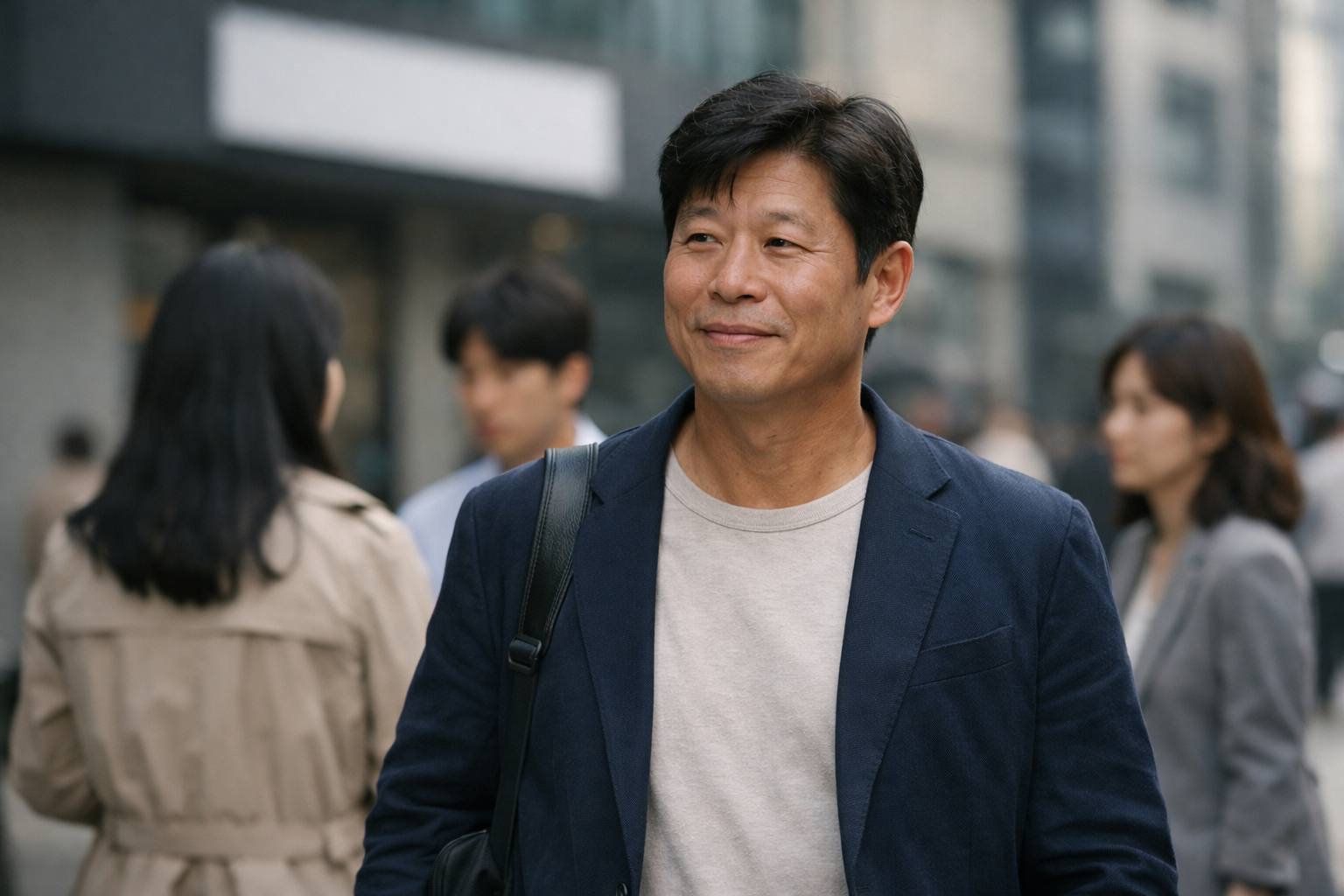
AI-Generated Photorealistic Image — All people, scenes, and details in this image are entirely AI-generated and fictional. Not a real photograph of an actual person or event. 이 이미지는 AI로 생성된 가상 이미지입니다.



Leave a Reply