
Table of Contents
South Korea’s Financial Supervisory Service (FSS) announced it will overhaul review standards for insurance advertising, targeting broadcast commercials that air on repeat. The regulator says aggressive, repetitive insurance ad campaigns push viewers toward impulsive sign-ups. Life and non-life insurance ad guidelines will both get a major rewrite.
Have you ever flipped on the TV and seen the same insurance ad three times in one hour? You’re not imagining it.
Korean households have watched insurance commercials multiply across cable channels for years. Now, regulators say enough is enough.
What Korea’s Insurance Ad Crackdown Means
On October 1, the FSS confirmed it’s tightening rules around insurance advertising nationwide. This isn’t a minor tweak. It’s a full revision of the review criteria that govern how insurance products get marketed on air.
The decision covers both life insurance and non-life (property and casualty) insurance sectors. That’s a broad sweep. Insurance advertising touches nearly every major broadcaster and cable network in the country, so this change will ripple across the entire media landscape.
Why does this matter beyond Korea’s borders? Financial regulators worldwide, including the UK’s Financial Conduct Authority and the US Federal Trade Commission, have wrestled with similar questions about aggressive financial marketing.
Korea’s move adds another data point to a global conversation about protecting consumers from high-pressure sales tactics. You could call it a case study in how fast-growing insurance markets eventually hit a regulatory ceiling.
Why Repetitive Insurance Ads Became a Problem
The FSS pointed to a clear pattern. Insurance advertising has grown more frequent and more emotionally charged, often appearing back-to-back during the same broadcast block.
Regulators believe this repetition is not accidental. It’s a strategy designed to create urgency, making viewers feel like they need to act immediately rather than compare options carefully.
Think about it this way. If you see the same insurance ad promising “guaranteed approval” or “limited-time rates” five times during a drama rerun, doesn’t that start to feel less like information and more like pressure?
That psychological nudge is exactly what the FSS wants to curb. Insurance advertising that relies on urgency rather than facts can lead people into plans that don’t fit their actual needs.
Korean cable television runs dozens of channels, many relying heavily on insurance and loan ad revenue to stay afloat. This creates an economic incentive for broadcasters to accept constant insurance advertising, even when it overwhelms viewers.
Regulators now say the review process has to catch up with this reality. You can read more background on the FSS and its regulatory role through Maeil Business Newspaper.
How the New Review Standards Will Work
The revised guidelines will focus on two main areas: the content of insurance advertising and how often it airs. On the content side, expect stricter limits on exaggerated claims, unclear terms, and emotionally manipulative language.
On the frequency side, the FSS is expected to address how many times the same insurance advertising spot can repeat within a given broadcast window. This dual approach treats the problem as both a messaging issue and a volume issue.
Why tackle both at once? Because fixing only the wording wouldn’t stop ads from bombarding viewers dozens of times a day, and limiting frequency alone wouldn’t stop misleading phrasing from slipping through.
Insurance companies will likely need to resubmit existing campaigns for re-review once the new standards take effect. That means production teams, legal reviewers, and broadcasters all have to adjust their workflows.
It’s a bit like asking everyone in a crowded room to lower their voices at the same time — awkward at first, but necessary if anyone wants to actually hear what’s being said. Insurance advertising has gotten loud, and Korea’s regulators are asking the industry to turn the volume down.
What This Means for Consumers and the Industry
For everyday viewers, tighter insurance advertising rules should mean fewer impulsive decisions driven by fear or urgency. Shoppers will likely see calmer messaging and clearer disclosure of terms, deductibles, and coverage limits.
For insurance companies, the adjustment period could be bumpy. Marketing teams built entire strategies around repetition and emotional hooks, and those playbooks now need a rewrite.
Isn’t it worth asking why this took so long? Korean insurance advertising has flooded airwaves for years, and only now is the regulatory framework catching up to the scale of the problem.
That delay says something honest about how financial regulation often works. Markets move fast, chasing growth and attention, while oversight bodies move more slowly, weighing evidence before they act.
That gap isn’t unique to Korea, and it isn’t a sign of complete failure either — it’s a reminder that good regulation takes time to get right. The FSS’s willingness to revise these standards now, backed by public scrutiny and media coverage, shows the system can still correct itself when the pressure builds.
There’s something quietly hopeful in watching an institution admit a gap existed and move to close it, rather than defending the status quo out of convenience. Consumers, journalists, and even competing insurers all played a role in pushing this change forward, which suggests accountability in financial markets isn’t just imposed from above — it grows from the attention ordinary people pay to what crosses their screens every night.
Korea’s insurance advertising landscape is about to look different. Expect fewer jarring repeats, clearer language, and a slower, more careful approach to how insurance products get pitched to the public.
Will other countries watching Korea’s insurance advertising reform take similar steps toward their own broadcast rules? What do you think about how much repetition and urgency should be allowed in insurance advertising where you live?
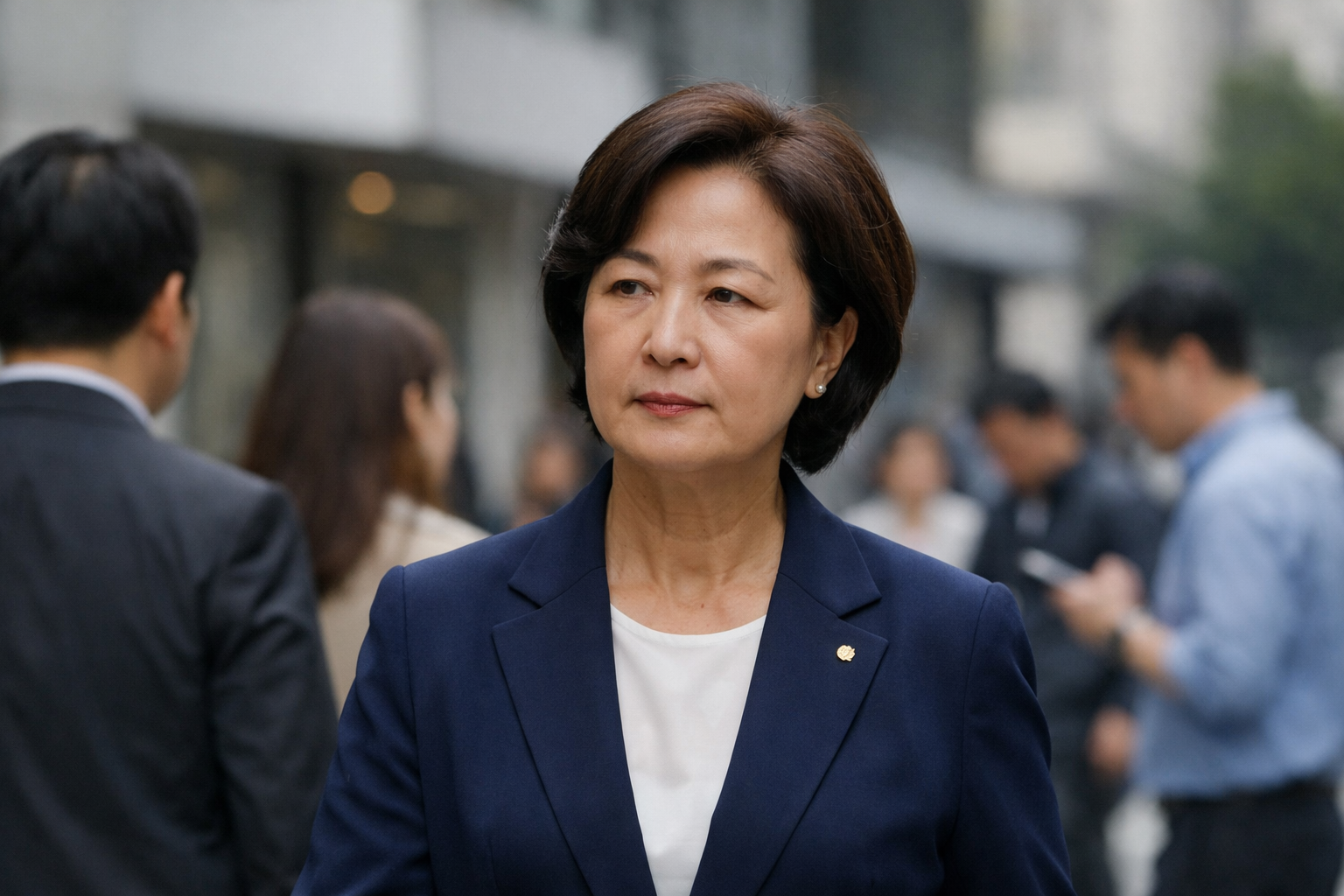
AI-Generated Photorealistic Image — All people, scenes, and details in this image are entirely AI-generated and fictional. Not a real photograph of an actual person or event. 이 이미지는 AI로 생성된 가상 이미지입니다.



Leave a Reply