Table of Contents
Chu Mi-ae, governor of Gyeonggi Province, says tight budgets are no excuse to cut essential welfare. She insists eco-friendly school meals and support for children who lack food must stay funded, no matter what. Her message lands ahead of Chuseok, Korea’s biggest harvest holiday.
Why does one governor’s budget stance matter beyond her province? Because Gyeonggi is Korea’s most populous province, home to over 13 million people. When Chu Mi-ae sets a welfare priority there, it often shapes debate across the whole country.
Chu Mi-ae’s Welfare Priority Explained
Chu Mi-ae did not pretend Gyeonggi’s finances are healthy. She openly admitted the province faces real fiscal strain, a rare kind of honesty in Korean politics.
But she drew a clear line. Programs like eco-friendly school lunches and meal support for children facing hunger, she said, stay untouched regardless of budget pressure.
Is this just political messaging before a holiday? Maybe partly. But Chu Mi-ae has repeated this stance consistently, framing basic child welfare as non-negotiable rather than optional spending.
Her comments came directly ahead of Chuseok, when families gather and share food together. That timing gives her welfare message extra emotional weight for residents preparing for the holiday.
How Gyeonggi Province Funds Local Welfare
Korean provinces do not fund welfare alone. They rely on a mix of national government transfers, local taxes, and provincial budget allocations, each shifting yearly based on economic conditions.
Gyeonggi’s fiscal challenge reflects a broader national trend. Slower tax revenue growth across Korea has forced many local governments to trim discretionary spending in recent years.
Yet Chu Mi-ae’s administration chose to protect two categories specifically. Eco-friendly meals for schoolchildren and food support for children at risk of hunger remain ring-fenced from cuts.
This distinction matters for readers unfamiliar with Korean local governance. Provincial governors control significant welfare policy independently, unlike in more centralized systems, giving figures like Chu Mi-ae real influence over daily life.
You might wonder how much power a provincial governor actually holds here. In Korea, governors manage education subsidies, public health programs, and regional welfare budgets somewhat separately from the central government in Seoul.
The “Just Give” Fresh Food Program Explained
Alongside her funding pledge, Chu Mi-ae announced an expansion of the “Just Give” fresh food initiative. The program distributes fresh produce and daily necessities to residents who need extra support.
Expanding fresh food access, rather than just packaged goods, reflects a shift in Korean welfare thinking. Food security increasingly means quality nutrition, not simply calorie counts.
Think about what “fresh food” access really means for a family struggling before a holiday. It is the difference between a modest meal and a proper Chuseok table, something Koreans take seriously (this is an understatement).
Chu Mi-ae specifically linked this expansion to the Chuseok season, saying residents should be able to celebrate the holiday “with confidence.” That phrase signals more than logistics; it signals dignity through everyday necessities.
Programs like this also connect to Korea’s long tradition of communal food-sharing during holidays. Chuseok itself centers on gratitude for harvest and shared meals among family and neighbors.
For readers wanting deeper background on Korean welfare policy debates, outlets such as OhmyNews regularly cover how local governments balance budgets against social needs.
What Chu Mi-ae’s Approach Means for Korean Local Politics
Chu Mi-ae is a well-known figure in Korean politics, having served in the National Assembly before becoming Gyeonggi’s governor. Her welfare stance fits a broader pattern among Korean provincial leaders who compete on social policy delivery.
Does protecting welfare during fiscal strain actually work long-term? That depends on whether provinces find sustainable revenue, not just political will alone.
Here is the honest tension worth naming. Provincial budgets in Korea genuinely strain under rising welfare demands and slower growth, and no governor can wish that pressure away through speeches alone.
At the same time, Chu Mi-ae’s insistence on protecting children’s meals points toward something hopeful: local leaders choosing to shield the most vulnerable first, even under constraint. That choice does not solve structural funding gaps, but it does show where priorities can still hold firm when tested.
Korean local politics often gets less international attention than national elections. But decisions like Chu Mi-ae’s affect millions of daily lives, from school lunch trays to holiday grocery bags.
Looking ahead, expect more provincial leaders to frame welfare spending as untouchable, especially around major holidays. Chu Mi-ae’s Gyeonggi model may become a reference point for other governors facing similar budget pressures.
What do you think about local governments protecting welfare spending even when budgets tighten?
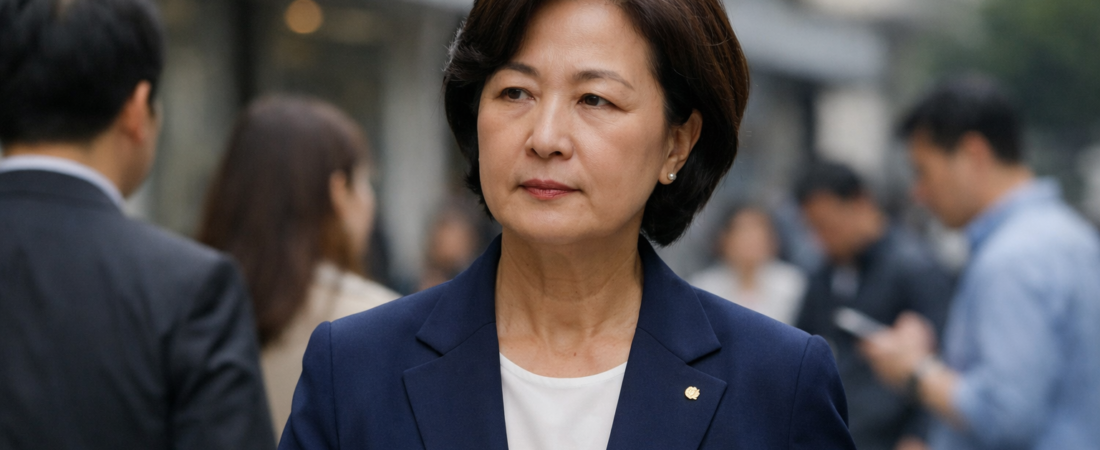
AI-Generated Photorealistic Image — All people, scenes, and details in this image are entirely AI-generated and fictional. Not a real photograph of an actual person or event. 이 이미지는 AI로 생성된 가상 이미지입니다.


Leave a Reply