
Table of Contents
The Ministry of Interior and Safety sent a deputy minister to meet two provincial governors this week. Kim Min-jae, vice minister of the Ministry of Interior and Safety, visited Gyeongsangbuk-do Governor Lee Cheol-woo and Gyeongsangnam-do Governor Park Wan-soo on September 21. His message: a new “future response fund” will stabilize, not drain, local budgets.
Sounds simple, right? But behind this quiet meeting sits a bigger fight over who controls money in Korea.
What the Ministry of Interior and Safety Announced
The Ministry of Interior and Safety wants to create a new fund called the future response fund. This fund would pull aside a portion of tax revenue that normally flows straight to local governments.
Officials at the Ministry of Interior and Safety describe this fund as a safety net. Instead of local budgets swinging wildly with tax collection ups and downs, the fund would smooth things out over time.
Vice Minister Kim traveled personally to explain this plan to two governors. That is not a small gesture in Korean bureaucracy.
Ministries usually send documents or hold conference calls, not face-to-face visits with regional leaders. This suggests the Ministry of Interior and Safety expected resistance and wanted to head it off early.
The meetings also touched on local shared tax, known as jibang gyobuse, the formula that determines how much money flows from Seoul to the provinces. Any change to that formula affects every mayor and governor in the country.
Why Local Governments Are Pushing Back
Local governments in Korea depend heavily on transfers from the central government. Gyeongsangbuk-do and Gyeongsangnam-do, both agricultural and industrial regions, rely on stable annual funding to plan schools, roads, and welfare programs.
So when the Ministry of Interior and Safety proposes holding back part of that money for a new fund, provincial leaders naturally worry. Will this fund actually return money when needed, or will it quietly shrink local budgets over time?
That is the real question driving this friction. Local officials have seen fiscal reforms before that promised flexibility but delivered less money overall.
History matters here. Korea centralized tax collection decades ago, leaving provinces dependent on Seoul’s goodwill for redistribution.
This structure helped the country coordinate rapid national development after the 1960s. But it also left local governments with limited independent revenue and constant anxiety about future funding decisions.
Governors like Lee Cheol-woo and Park Wan-soo represent regions outside the Seoul metropolitan area. These provinces already receive less private investment than the capital region.
Any hint of reduced central transfers raises alarm bells immediately, and understandably so.
The Bigger Picture: Central vs. Local Fiscal Power
This dispute is not really about one fund. It reflects a decades-long tension between central authority and local autonomy in Korean governance.
The Ministry of Interior and Safety oversees how tax revenue moves between Seoul and the provinces. Every adjustment to that system shifts real power, not just numbers on a spreadsheet.
Think about it this way: would you trust a new savings plan more if the person managing it visited your house to explain it? That is essentially what Kim Min-jae did this week, and it shows how seriously the ministry takes local buy-in.
You could call it fiscal diplomacy, Korean-style — persuasion over pure top-down instruction (yes, even ministries need good customer service skills sometimes).
Korea’s local government finance system has faced criticism for years. Many provinces outside Seoul struggle with shrinking populations and weaker tax bases, making them more dependent on central transfers, not less.
A future response fund, if managed transparently, could genuinely help regions absorb economic shocks like the 2020 pandemic drop in tax revenue. But if provinces feel the fund is really a tool to centralize more control, resentment will grow instead of trust.
The Ministry of Interior and Safety seems aware of this risk, which is likely why direct meetings with governors happened before any formal legislation moved forward. You can read more background on Korea’s local finance debates via Yonhap News Agency.
What Happens Next for Korea’s Local Finances
Expect more meetings like this one in coming weeks. The Ministry of Interior and Safety will likely visit additional provinces before pushing the future response fund through any formal approval process.
Will Gyeongsangbuk-do and Gyeongsangnam-do accept the ministry’s reassurances? That depends on details still unannounced, particularly how withdrawal rules from the fund would work during emergencies.
Local governments want guarantees written into law, not just verbal promises from a vice minister’s office visit. That is a reasonable demand given Korea’s history of shifting fiscal policy.
For readers outside Korea, this debate might feel distant. But it mirrors a universal governance question: how much financial control should a central government hold over regional units, and how much should stay local?
Countries from Germany to the United States wrestle with similar federalism questions constantly. Korea’s version happens through the Ministry of Interior and Safety and its relationship with provincial governors rather than through a formal federal constitution.
The coming months will show whether the Ministry of Interior and Safety can turn skeptical governors into willing partners. If it succeeds, the future response fund could become a model for smoother central-local cooperation.
If it fails, expect louder public disputes between Seoul and the provinces heading into next year’s budget negotiations. Either way, this quiet meeting in September may mark the opening move of a much larger fiscal conversation.
What do you think about how much financial control a central government should hold over local regions?
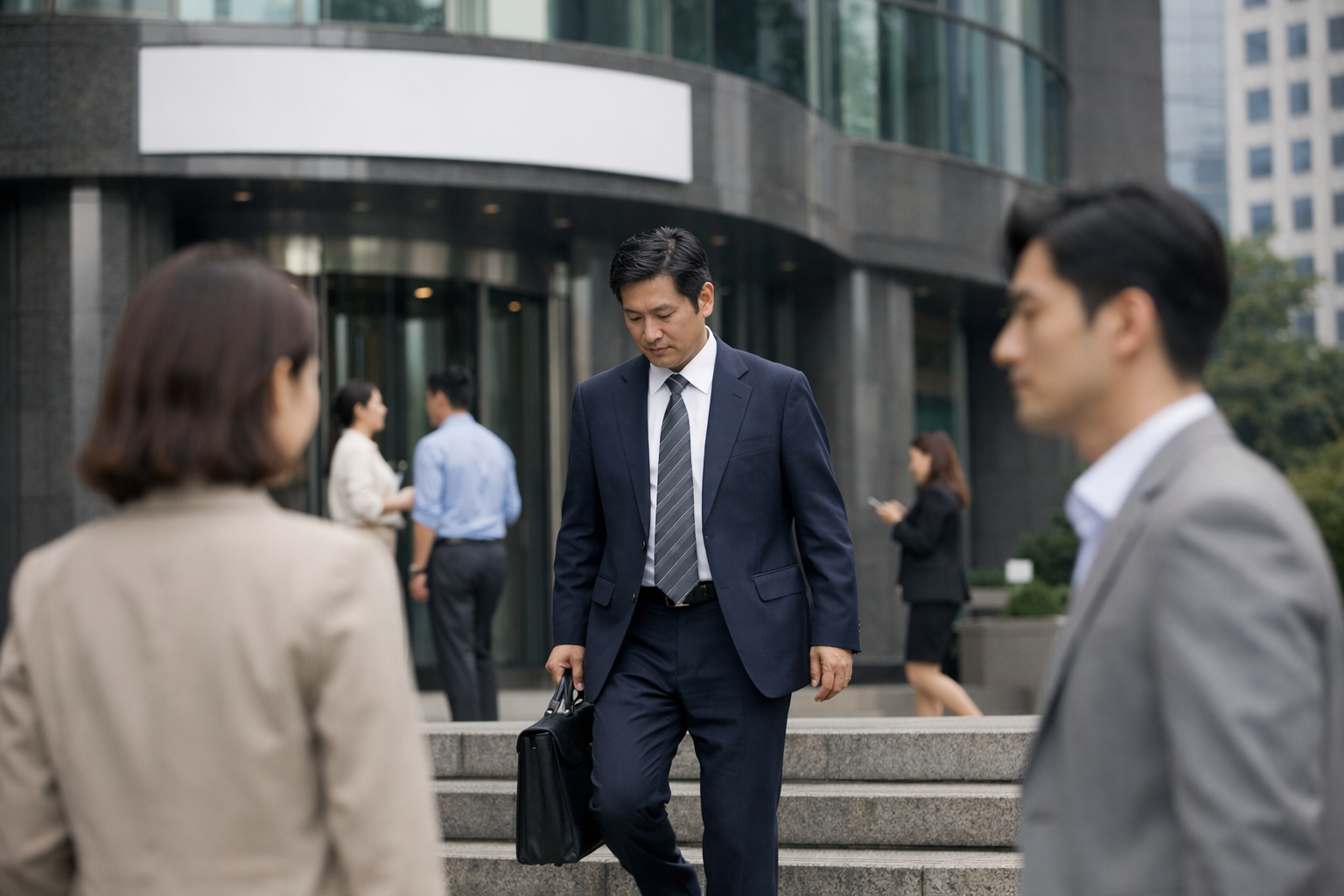
AI-Generated Photorealistic Image — All people, scenes, and details in this image are entirely AI-generated and fictional. Not a real photograph of an actual person or event. 이 이미지는 AI로 생성된 가상 이미지입니다.

Leave a Reply