
Table of Contents
Wild Horse Nine places two CIA agents on Chile’s Easter Island, where talk, not gunfire, drives the story. John Malkovich plays agent Chris, delivering long rambling speeches beside the island’s giant moai statues. His performance, critics say, carries the entire film on its own.
Can a movie survive almost entirely on conversation between two men? That question sits at the center of Wild Horse Nine, and the answer seems to be yes, as long as one of those men is Malkovich.
This review looks at why the film works, what makes Malkovich’s turn so memorable, and what it says about the current taste of Korean audiences. Let’s dig in.
What Wild Horse Nine Is Really About
On paper, Wild Horse Nine sounds like a spy thriller. In practice, it is closer to a character study dressed in espionage clothing.
Sam Rockwell plays Lee, a younger CIA agent paired with Malkovich’s Chris on a remote assignment to Easter Island. Instead of chase scenes or coded briefcases, the film gives us hours of dialogue beneath the island’s famous moai statues.
The setting matters here. Easter Island, known locally as Rapa Nui, sits isolated in the Pacific, far from any obvious intelligence target.
That isolation becomes the film’s real subject. Stranded together with nothing but time, Lee and Chris talk about careers, regret, and what a life in espionage actually costs a person.
The plot takes a back seat on purpose. Director choices lean into stillness, letting silence and landscape do work that action sequences usually handle in spy films.
Is that a risky bet for a modern audience raised on fast cuts and explosions? Perhaps, but the film seems confident that strong performances can hold attention just as well.
John Malkovich Steals Easter Island

Malkovich has built a career on unusual presence, and Chris lets him lean fully into that strength. His character talks in long, winding monologues, full of digressions and dark humor.
Critics frame this as the heart of Wild Horse Nine. Malkovich previously won Best Actor at the Venice Film Festival, and that same weight shows up here in quieter, more reflective form.
What makes his performance land is restraint paired with excess. He talks endlessly, yet every pause feels deliberate.
There’s something almost theatrical about watching him deliver these speeches against ancient stone statues that have watched over the island for centuries. You can read more about the film’s background through Kyunghyang Shinmun.
The chemistry between Rockwell and Malkovich also deserves credit. Their bromance never feels forced, built instead through small gestures and shared silences rather than big dramatic confrontations.
Reviewers describe his acting as capturing a sense of life’s impermanence, a weary wisdom earned through decades in a brutal profession. Few actors could make existential fatigue feel this watchable, and frankly, that’s a tough trick to pull off twice in one career.
Why Spies Talking Beats Spies Shooting
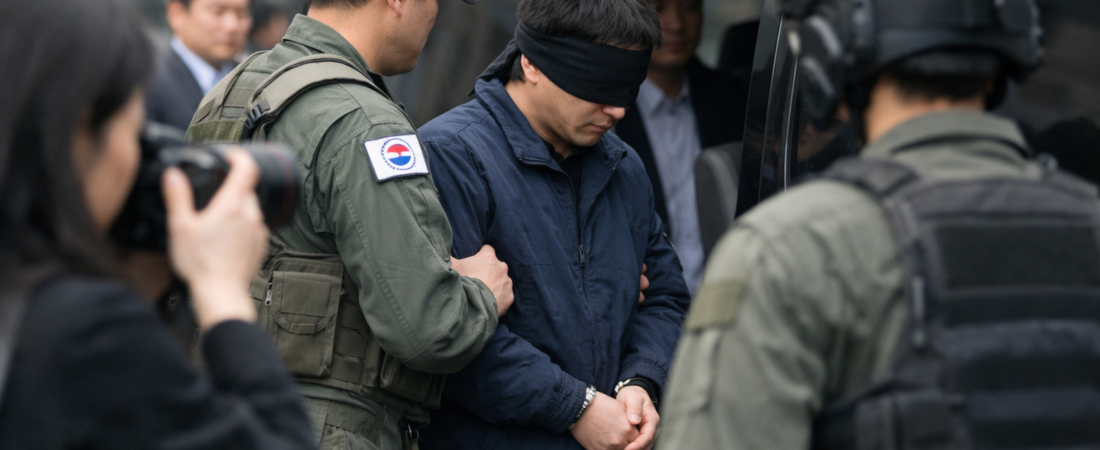
Spy films usually promise danger at every turn. Wild Horse Nine instead asks a quieter question: what happens to people who spend their lives lying for a living?
That shift in focus puts the film closer to character dramas than typical CIA thrillers. Think less Bond, more a long conversation between two old colleagues who finally have nowhere left to run.
Does this approach limit the film’s commercial appeal? It might, since audiences expecting nonstop action could find the pacing slow.
But for viewers drawn to dialogue-driven storytelling, Wild Horse Nine offers something rarer. It trusts two actors and a remote location to carry ninety minutes without relying on spectacle.
The Easter Island backdrop adds another layer worth noting. The moai statues, silent witnesses to centuries of history, mirror the film’s own themes of time, memory, and what gets left behind.
Placing CIA agents literally in the shadow of these monuments gives their small, personal conversations an unexpectedly large stage. Wild Horse Nine uses geography as a kind of quiet commentary on legacy.
What This Film Tells Us About Korean Moviegoers
Korean audiences have shown growing appetite for slower, performance-driven cinema in recent years. Films built around dialogue and acting craft, rather than plot twists, increasingly find space in local theaters.
Wild Horse Nine fits that pattern well. Its release here suggests distributors see real demand for character studies featuring veteran Hollywood actors.
This connects to a broader trend worth watching. Korean cinema itself has long valued restrained, dialogue-heavy storytelling, from Hong Sang-soo’s conversational dramas to the quiet tension in many domestic thrillers.
A film like Wild Horse Nine arrives into a market already comfortable with that kind of pacing.
Every culture tends to romanticize certain professions from a safe distance, and intelligence work is a clear example. We admire the discipline and sacrifice such careers demand, yet rarely reckon honestly with the isolation and moral weight they leave behind.
Wild Horse Nine resists easy glorification, choosing instead to sit with two tired men and let their exhaustion speak plainly. That honesty feels more valuable than another chase scene, even if it asks more patience from the audience watching it unfold.
Where does Wild Horse Nine ultimately land, then, between thriller and character drama? It leans firmly toward the latter, using its CIA premise mostly as a frame for something more human.
For audiences willing to slow down, Malkovich’s performance alone justifies the ticket. What do you think about films that trade action for long, quiet conversation between two compelling characters?
AI-Generated Photorealistic Image — All people, scenes, and details in this image are entirely AI-generated and fictional. Not a real photograph of an actual person or event. 이 이미지는 AI로 생성된 가상 이미지입니다.




Leave a Reply