Table of Contents
What happens when lawmakers rush a major legal change through in just one week?
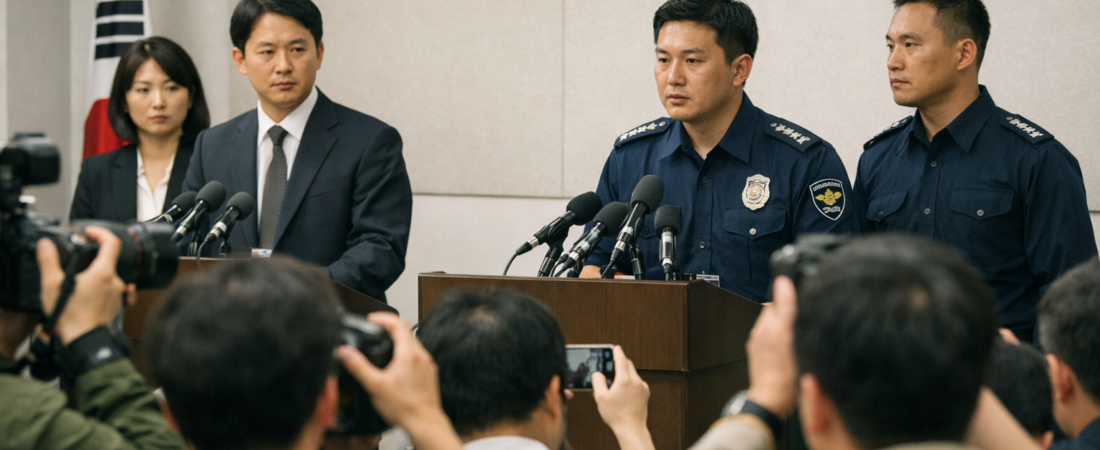
That’s exactly what’s unfolding in Korea’s National Assembly right now. The abolition of supplementary investigation authority for prosecutors has become the center of a fierce political battle.
The Democratic Party of Korea wants to finish this legislation before the week ends. The People Power Party calls it revenge politics dressed up as reform.
Sound complicated? Let’s break down what’s really at stake here.
What Is the Abolition of Supplementary Investigation Authority?
Supplementary investigation authority lets prosecutors continue investigating a case after police have already handed it over. Think of it as a safety net.
If police miss something important, prosecutors can step in and fill the gap. That’s the theory, anyway.
The Democratic Party now wants to remove this power entirely through an amendment to Korea’s Criminal Procedure Act. Why would anyone want to strip this authority away?
Democratic Party lawmakers argue prosecutors have used this power to expand their reach far beyond original intentions. They claim it lets prosecutors act like police, not legal reviewers.
This isn’t a new argument in Korean politics. The debate over prosecutorial power has raged for years, tracing back to earlier reforms under the Moon Jae-in administration.
Those earlier changes already separated some investigative powers between police and prosecutors. This week’s push takes that separation one step further.
The abolition of supplementary investigation authority would mean prosecutors lose their ability to independently continue an investigation once police close their part. Cases would need to go back to police for any additional work.
Supporters say this fixes a loophole where prosecutors held too much unchecked power. Critics warn it could create dangerous gaps in investigations, especially in complex cases.
Context: How Korea’s Prosecution Reform Debate Got Here
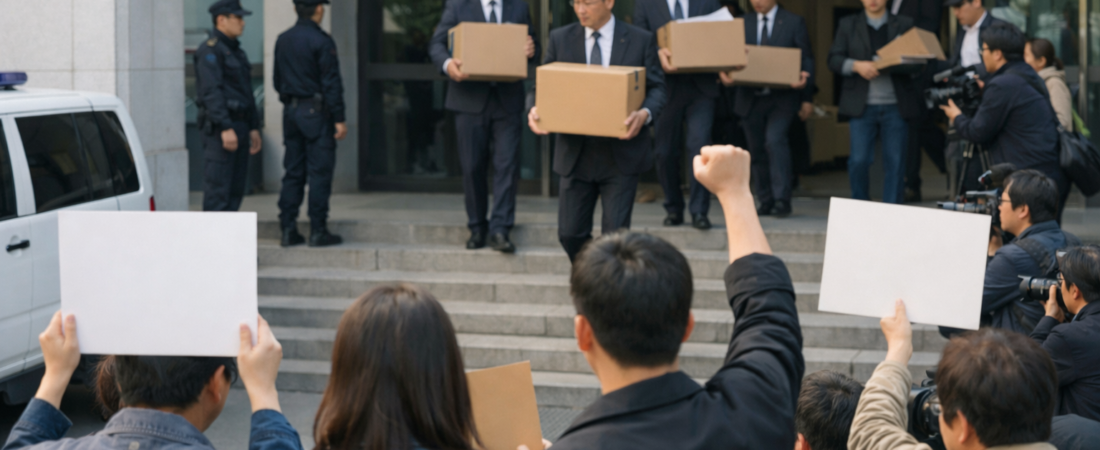
Korea’s prosecution service has held enormous power for decades. Prosecutors could investigate, indict, and prosecute all under one roof.
Few democracies concentrate this much authority in one institution. That structure made reform a hot topic long before this week’s clash.
Back in 2020 and 2021, major reforms already stripped prosecutors of direct investigative authority in many crime categories. Police took over frontline investigations for most cases.
Prosecutors kept limited investigative power for select crimes like corruption and economic offenses. The supplementary investigation authority was designed as a middle-ground compromise.
It let prosecutors review police work and step in only when necessary. Now the Democratic Party says even that limited power has been misused.
You might wonder — misused how exactly? Party officials point to cases where prosecutors allegedly expanded minor referrals into full-scale independent investigations.
This pattern, they argue, effectively restored old-style prosecutorial dominance through a back door. The People Power Party sees it completely differently.
They call this abolition of supplementary investigation authority a political vendetta against prosecutors who investigated Democratic Party figures. Timing matters here too.
This debate intensified after several high-profile investigations touched Democratic Party leadership, including cases connected to Lee Jae-myung. The People Power Party argues the ruling party wants to weaken prosecutors before more scrutiny arrives.
You can read more about Korea’s ongoing prosecution reform debate through outlets like Korea JoongAng Daily, which has tracked this issue closely.
Analysis: Democratic Party vs. People Power Party Showdown
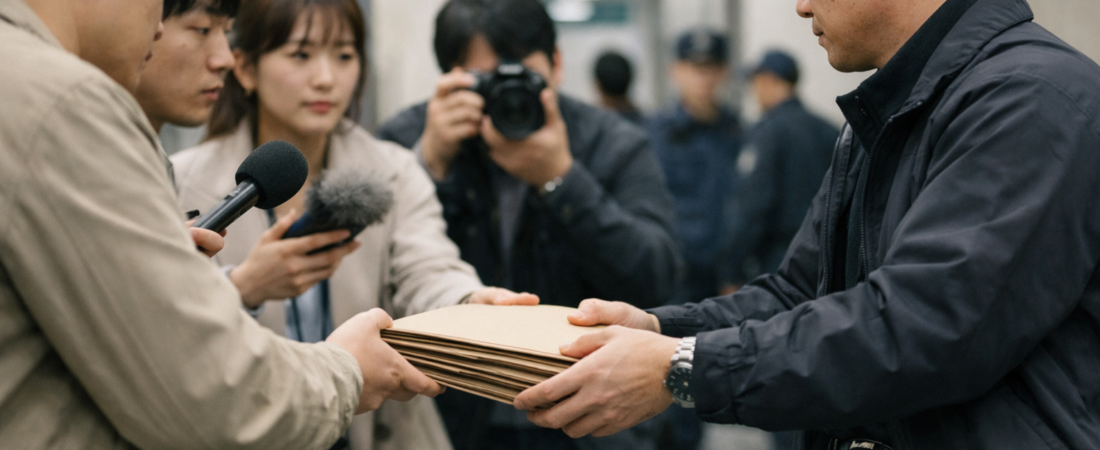
This week’s conflict isn’t just about legal technicalities. It’s a full political showdown playing out inside the National Assembly.
The Democratic Party holds a strong majority, giving them real power to push this bill through quickly. But raw numbers don’t guarantee smooth passage.
People Power Party lawmakers have accused their rivals of “sloppy legislation.” That’s a serious charge in Korean politics, suggesting the bill wasn’t properly reviewed.
Have you ever watched a bill get rushed through committee without proper debate? Critics say that’s happening here, with the Democratic Party ignoring standard legislative procedure to hit an arbitrary deadline.
The Democratic Party pushes back hard against these claims. Party spokespeople call the opposition’s criticism “collusion with political prosecutors” — a phrase meant to suggest prosecutors and opposition lawmakers share the same political agenda.
This kind of language shows how personal this fight has become. It’s no longer just about legal procedure.
Both sides are framing this as an existential battle over who controls Korea’s justice system. Standing committee sessions have already seen heated clashes between party representatives.
Opposition lawmakers have vowed to resist the bill at every procedural stage. Expect boycotts, filibusters, or emergency floor votes as this moves toward a full National Assembly session.
The Democratic Party insists it will still pass the abolition of supplementary investigation authority through the assembly floor this week regardless of resistance. That timeline alone tells you how confident — or how determined — they feel about pushing this through.
Meanwhile, the Democratic Party has promised alternative measures to prevent investigation gaps. They say protections for vulnerable populations, including victims of violent crime or fraud, will remain in place through other legal channels.
Skeptics ask a fair question: can new mechanisms really replace a system prosecutors have relied on for years? That answer remains unclear, and it likely won’t become clear until the law actually takes effect.
Insight: What This Means for Korea’s Justice System
So why should this matter to you, even if you don’t follow Korean politics daily? Because this fight reveals something deeper about how democracies balance power.
Every country wrestles with the same question. How much authority should any single institution hold?
Korea has spent nearly a decade rebalancing power between police and prosecutors. This latest move toward the abolition of supplementary investigation authority represents another chapter in that ongoing story.
It’s not the final chapter, either. Expect more amendments, more court challenges, and more political fights in the years ahead.
For ordinary Korean citizens, the immediate concern is practical. Will investigations become slower or less thorough without prosecutorial backup?
The Democratic Party insists new safeguards will prevent any investigation gap. The People Power Party doubts these promises will hold up once tested by real, complicated cases.
This tension between reform ambition and practical execution defines much of modern Korean governance. Reforms often sound good on paper.
Their real test comes months or years later, when actual cases expose weaknesses nobody anticipated during the legislative rush. History offers some warning signs here.
Earlier prosecution reforms in 2021 also promised smooth transitions between police and prosecutors. Instead, several high-profile cases stalled due to unclear jurisdiction between agencies.
Will the abolition of supplementary investigation authority repeat that pattern? Nobody can say for certain yet, but the parallel worries many legal experts.
Political scientists watching this closely note something important too. Legislative fights over prosecutorial power often reflect deeper struggles over accountability itself.
Who investigates the powerful when the powerful control the investigators? That question sits at the heart of Korea’s ongoing prosecution reform saga, and it won’t disappear once this week’s vote concludes.
Looking ahead, expect continued friction inside standing committees even after the assembly floor vote. The People Power Party has signaled it won’t simply accept defeat quietly.
Legal challenges, public pressure campaigns, and further amendment proposals will likely follow. Korea’s justice system reform remains a moving target, not a finished project.
What do you think about Korea’s approach to reforming prosecutorial power? Does removing supplementary investigation authority strengthen democratic accountability, or does it risk creating dangerous gaps in the justice system?
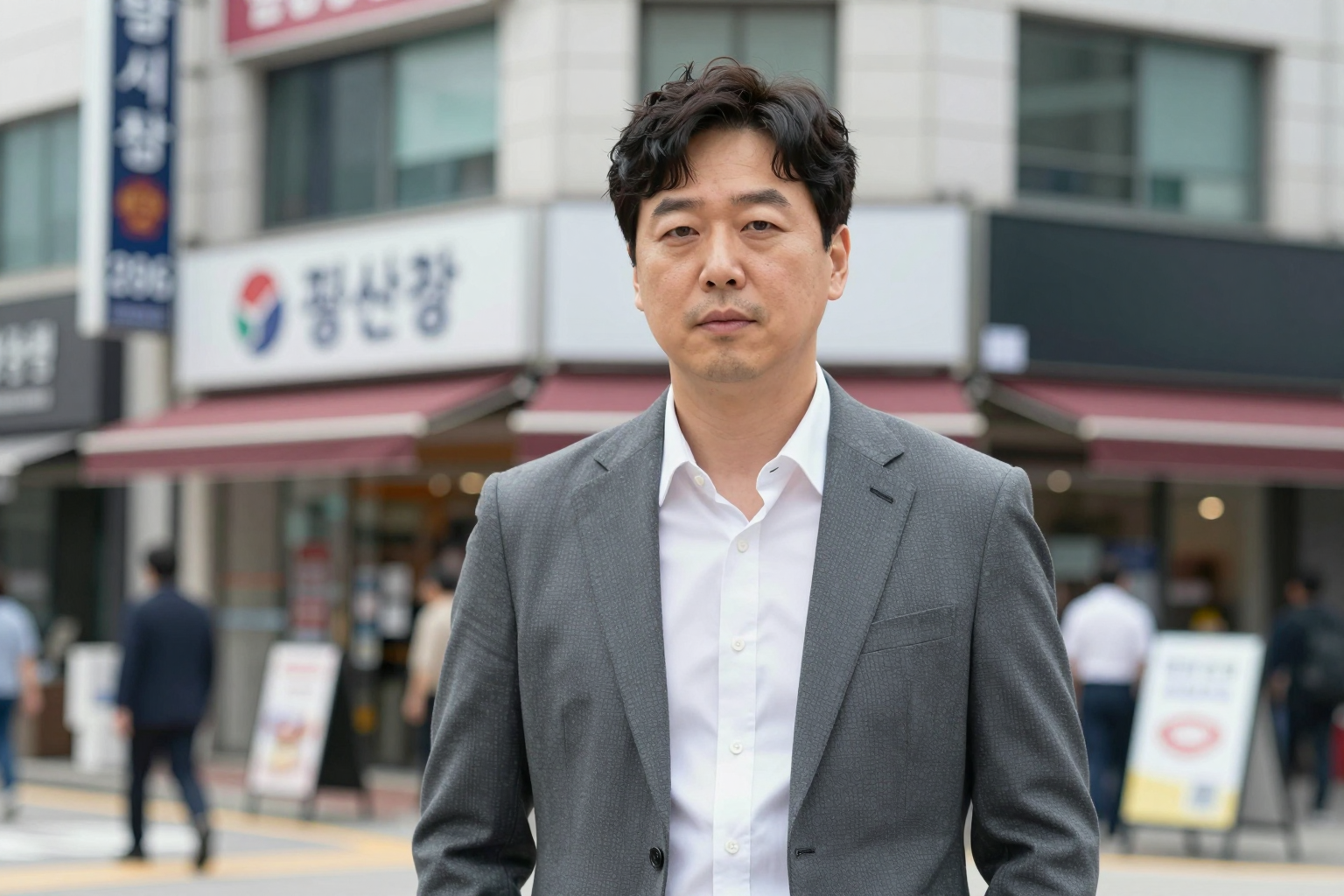
AI-Generated Photorealistic Image — All people, scenes, and details in this image are entirely AI-generated and fictional. Not a real photograph of an actual person or event. 이 이미지는 AI로 생성된 가상 이미지입니다.


Leave a Reply