
Table of Contents
Korean creators are now learning to write drama scripts and webtoons with AI as a writing partner, not a replacement. A recent hands-on workshop walked participants through character design, plot structure, and script revision using AI tools at every stage. This marks a quiet but real shift in how Korea’s storytelling industry works.
What Happened at This AI Storytelling Workshop
Picture a room full of aspiring writers, laptops open, and AI chat windows glowing next to half-finished scripts. That is exactly what happened at a recent story-creation program covered by Maeil Business Newspaper. Participants learned to use AI step by step, turning rough ideas into workable story outlines.
The process started simple. Writers built characters first, giving them names, backstories, and motivations with AI’s help. Then they moved into plot construction, letting AI suggest twists or flag weak points in pacing.
Finally, they refined full scripts, using AI as an editor that catches gaps in logic or dialogue. One participant said the training helped them “flesh out ideas” they had struggled with for months. Isn’t that the real test of any new tool — does it actually solve a problem you already had?
This was not a lecture about AI theory. It was practice-based, hands-on, and built for working writers. That distinction matters a lot for an industry that often treats new technology with suspicion.
Why Korean Creators Are Turning to AI
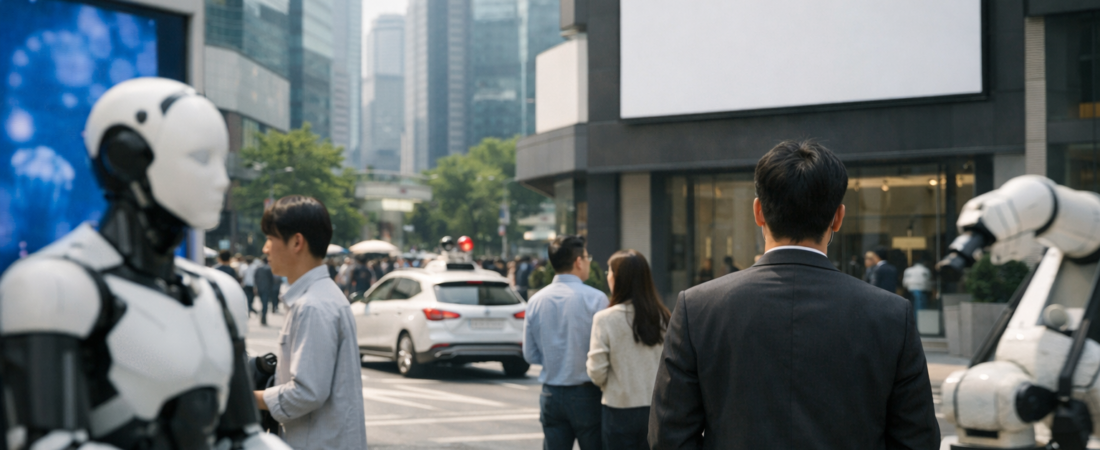
Korea’s entertainment industry moves fast. Drama production schedules are tight, webtoon platforms demand constant new content, and competition for audience attention keeps growing. AI offers something valuable here: speed without sacrificing creative control.
Think about what a drama writer actually needs. They need to generate dozens of character options, test different plot directions, and revise dialogue quickly before deadlines hit. AI handles the repetitive parts of that process, freeing writers to focus on the emotional core of a story.
This is not about machines replacing human creativity. It is about giving writers a faster first draft to react to, argue with, and improve. Many professional writers already use AI this way — as a brainstorming partner, not a final author.
Korea’s webtoon industry adds another layer here. With thousands of titles published weekly on platforms, writers and artists need tools that keep pace with demand. AI-assisted scripting can help smaller studios and independent creators compete with larger production houses that have bigger budgets and bigger teams.
From K-Dramas to Webtoons: AI’s Growing Role
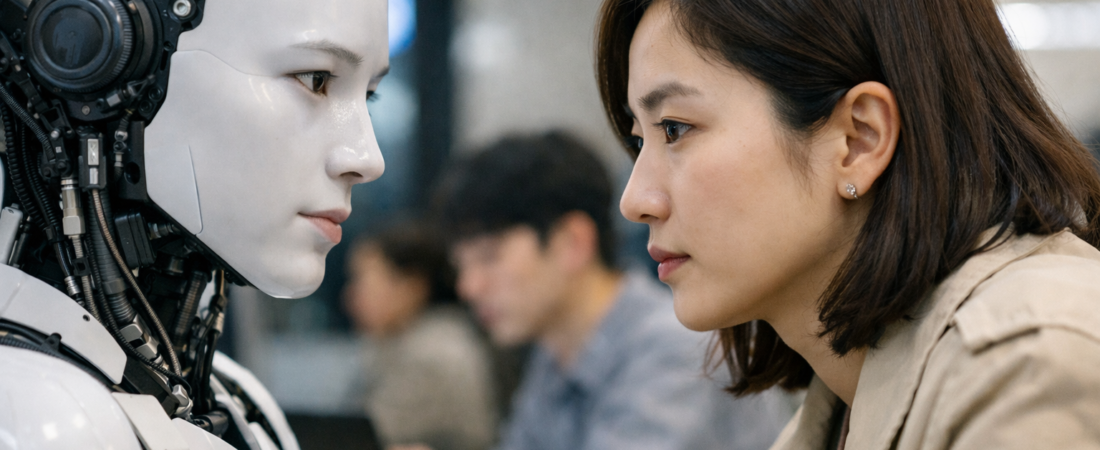
K-dramas and webtoons sit at the heart of Korea’s cultural export success. Global streaming platforms have made Korean drama scripts a worldwide commodity, and webtoons feed directly into future drama and film adaptations. AI entering this pipeline early, at the script stage, could reshape how these stories reach global audiences.
Consider the practical workflow. A webtoon writer sketches a rough plot, runs it through AI for structural feedback, then builds the actual script with a clearer sense of pacing. That same script might later become a drama, where AI again helps smooth dialogue or suggest scene transitions.
This layered use of AI across multiple creative stages is still new in Korea. But workshops like this one suggest the industry is moving quickly to formalize the practice. Writers are not just experimenting alone anymore — they are being trained systematically, with structured curricula built around AI tools.
What does this mean for quality? That question deserves honesty, not hype. AI can speed up drafting, but it cannot replace the lived experience, cultural nuance, or emotional risk-taking that makes a Korean drama resonate with millions of viewers worldwide.
What This Means for the Future of Korean Storytelling
Korea’s creative industry stands at a real turning point. AI tools are becoming standard equipment, much like word processors once replaced typewriters. The question now is not whether AI belongs in storytelling, but how writers use it responsibly.
Will every writer who learns AI tools become a bestselling scriptwriter? Of course not. But the playing field is shifting, and training programs like this one give more creators — not just established names — a chance to develop professional-level scripts and pitch them to studios and platforms.
There is a real tension worth naming honestly. AI can make script production faster and more accessible, but it also risks flattening creative voices if writers lean on it too heavily, letting algorithms shape plots instead of lived human experience. The hopeful counterpart is visible right in this workshop: writers used AI as a sparring partner for their own ideas, not a replacement for them, and that balance is exactly what protects the soul of a good story.
The same tool that threatens to standardize storytelling can also democratize it, giving first-time writers in smaller studios the same structural support that big production houses have long enjoyed. Korea’s challenge going forward is building training and norms that keep human imagination at the center, even as AI handles more of the technical heavy lifting. That balance, not the technology itself, will decide whether Korean storytelling keeps its distinct voice on the global stage.
AI is not going away from Korea’s creative industries, and frankly, it probably shouldn’t. The real story here is not about machines writing dramas for us — it is about writers learning a new craft, one prompt at a time.
Korea’s entertainment industry has rebuilt itself around new technology before, from digital cameras to streaming platforms, and each time it found a way to keep its storytelling heart intact. What do you think — can AI help Korean dramas and webtoons stay creative, or does it risk making every story start to sound the same?
AI-Generated Photorealistic Image — All people, scenes, and details in this image are entirely AI-generated and fictional. Not a real photograph of an actual person or event. 이 이미지는 AI로 생성된 가상 이미지입니다.


Leave a Reply