
Table of Contents
A new period drama titled “De Gaulle: The Beginning of Resistance” retells how a nearly unknown French general fled to London in 1940 and refused to accept his country’s surrender. Charles de Gaulle had no army, no government backing, and almost no followers at first. Yet he became the symbol of French legitimacy during World War II, and this film captures that fragile, uncertain beginning in vivid detail.
Why does a decades-old historical moment still grip audiences today? Maybe because it is not really about war at all. It is about one person deciding to say no when everyone else said yes.
What “De Gaulle: The Beginning of Resistance” Gets Right
France in 1940 believed itself untouchable. It had the largest army in Europe, strong fortifications, and pride built on winning the First World War. Then Nazi Germany’s blitzkrieg tactics crushed that confidence in weeks, trapping British and French forces at Dunkirk.
The film does not rush past this collapse. It lingers on the humiliation of the armistice, showing how quickly a proud nation can fracture under pressure. Marshal Pétain, once a celebrated war hero, becomes head of the collaborationist Vichy France regime, and the film treats this betrayal with real weight rather than simple villainy.
This is where Charles de Gaulle enters, almost as a footnote at first. He boards a plane to London with no mandate and no guarantee that anyone will listen. The film builds its tension not from battle scenes but from this lonely, uncertain choice, and that restraint is what makes it memorable for fans of serious historical cinema.
Who Was Charles de Gaulle, Really
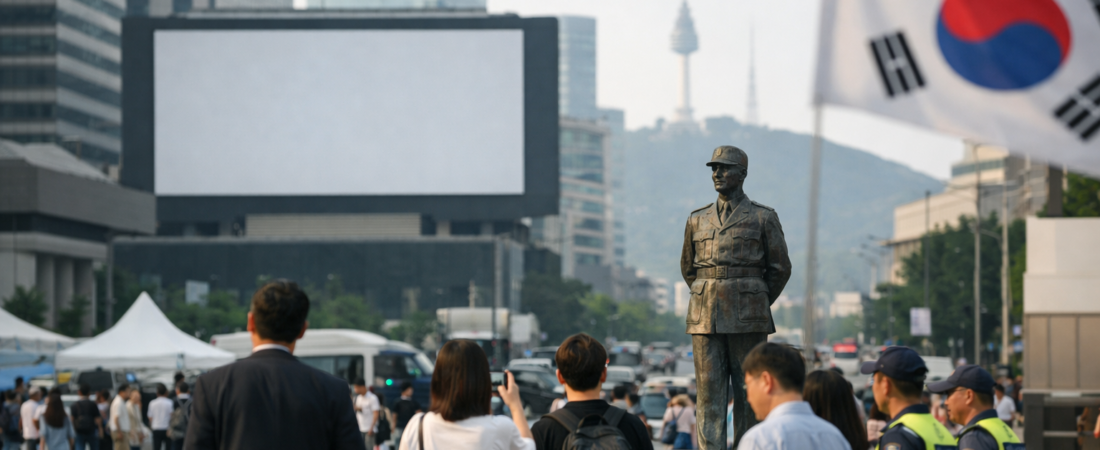
Before 1940, Charles de Gaulle was a mid-ranking officer known mostly for his writings on tank warfare, not for political leadership. Few in France’s military establishment took him seriously. So how did this relatively obscure figure become the face of French resistance?
The film suggests the answer lies in timing and conviction. De Gaulle understood something many of his superiors refused to accept: that losing a battle did not mean losing the war, and that surrender was a political choice, not an inevitability. His BBC broadcast calling French citizens to resist became a founding moment for what later grew into the Free French Forces.
Historically, this moment matters because it reshaped how France understood its own identity after defeat. Charles de Gaulle’s insistence on legitimacy, that the real France was not the one that surrendered, gave the nation a path back to dignity. You can see why history buffs still study this exact turning point.
Why This Period Film Resonates Beyond France
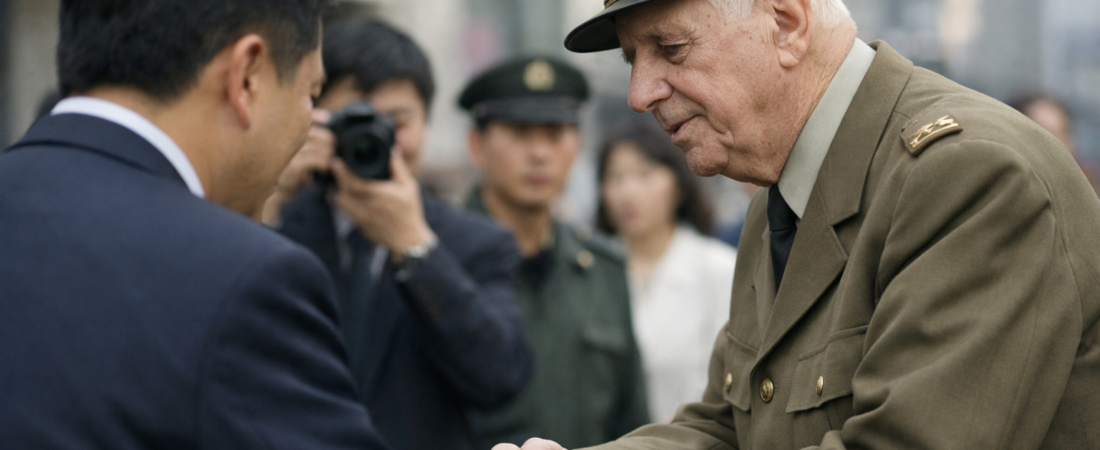
You do not need to be French to feel the pull of this story. At its core, “De Gaulle: The Beginning of Resistance” is about the gap between official power and moral authority. Who gets to decide what a nation truly stands for when its government has already given up?
The film’s war thriller pacing helps carry this question across a long runtime. Despite its substantial length, it moves with the tension of an escape film, not a lecture, which is exactly what fans of historical drama want (imagine studying a syllabus that actually keeps you up past midnight). Readers interested in period detail and wartime politics can find background on the production and historical sourcing through OhmyNews.
There is also a quieter, more universal theme running underneath the politics. Most people will never face a decision as dramatic as fleeing a collapsing nation, but everyone eventually faces a moment where staying quiet feels easier than standing apart.
That tension, between comfort and conviction, is not unique to 1940s France. It shows up in workplaces, families, and communities everywhere, and it rarely comes with clear heroes or villains.
The film resists turning Charles de Gaulle into a flawless icon, and that honesty is its real strength. He was stubborn, often difficult, and uncertain whether his gamble would even work, yet he moved forward anyway. There is something quietly hopeful in watching an imperfect person choose responsibility over despair, without pretending the outcome was ever guaranteed.
Should You Watch It
If you love slow-building historical epics with real political stakes, this film earns its lengthy runtime. It avoids cheap spectacle in favor of character and consequence, which fits the legacy of Charles de Gaulle as a figure defined more by willpower than by battlefield heroics.
Will every viewer have the patience for its deliberate pacing? Probably not, and that is fine. But for serious fans of period drama, this is exactly the kind of substantial, thoughtful work worth setting aside an evening for.
What draws you more to historical dramas like this one, the political stakes or the personal courage behind them?
AI-Generated Photorealistic Image — All people, scenes, and details in this image are entirely AI-generated and fictional. Not a real photograph of an actual person or event. 이 이미지는 AI로 생성된 가상 이미지입니다.




Leave a Reply