Table of Contents
What does it take for a mid-sized country to earn a seat at the table with the world’s biggest tech CEOs? Bae Kyung-hoon, South Korea’s Deputy Prime Minister and Minister of Science and ICT, just answered that question. In a recent SBS interview, he shared behind-the-scenes stories from a private dinner with global tech leaders in San Francisco.
His message was clear. Korea is no longer just a participant in the global AI race — it is becoming a key link in the AI supply chain. That claim deserves a closer look.
Who Is Bae Kyung-hoon and Why Does This Interview Matter?
Bae Kyung-hoon holds one of the most powerful positions in Korean tech policy today. As Deputy Prime Minister and Minister of Science and ICT, he sits at the intersection of government strategy and industry execution.
When he speaks about artificial intelligence, global investors and policymakers listen. Why? Because his words often signal where Korean government support is heading next.
This SBS interview was not just a casual recap. Bae Kyung-hoon used the platform to explain how a single trip to San Francisco reshaped his thinking about Korea’s role in the global AI order.
He described the summit and the dinner with major tech CEOs as a turning point. Have you ever wondered what actually gets discussed at these high-stakes tech dinners? According to Bae Kyung-hoon, the conversations were less about ceremony and more about hard infrastructure questions — power, land, and semiconductors.
Inside the San Francisco AI Summit: What Really Happened

The San Francisco AI Summit brought together some of the most influential names in the tech industry. Bae Kyung-hoon attended not as an observer, but as a representative pitching Korea’s value to the AI ecosystem.
According to his account, the dinner conversation with big tech CEOs went beyond polite small talk. Real discussions happened about data center locations, energy needs, and supply chain reliability.
This is where Bae Kyung-hoon’s message becomes important. He said this experience marked a turning point for Korea — a shift from being seen as just a manufacturing partner to becoming a core node in the AI supply chain.
Think about what that shift actually means. Global AI companies need more than chips. They need stable electricity, reliable water supply, and land ready for massive data centers.
Bae Kyung-hoon argued that Korea can offer all three, along with world-class semiconductor manufacturing already in place. That combination, he suggested, is rare on the global stage.
Few countries can match Korea’s blend of advanced chip production and industrial infrastructure at scale. That is precisely the pitch Bae Kyung-hoon made directly to CEOs controlling the world’s largest AI investment budgets.
Bae Kyung-hoon’s Vision: Korea as a Core AI Supply Chain Nation
Let’s break down the specific claim. Bae Kyung-hoon believes the San Francisco trip helped position Korea as a central player in global AI infrastructure — not a side character.
This is a bold statement, so what backs it up? According to Bae Kyung-hoon, attracting foreign investment now depends on three concrete factors: available sites for data centers, sufficient power supply, and enough water for cooling systems.
These three factors sound technical, but they carry huge economic weight. Data centers consume enormous amounts of electricity and water to run AI models around the clock.
Countries that cannot guarantee stable supply of both simply cannot host these facilities. Bae Kyung-hoon’s emphasis on this point tells global investors something important — Korea is actively preparing this infrastructure, not just promising it on paper.
Why does this matter for everyday readers outside Korea? Because the location of AI data centers determines who benefits from the AI economy first.
Jobs, energy contracts, and technology partnerships all follow where these centers get built. If Bae Kyung-hoon’s strategy succeeds, Korea gains real economic leverage in the next decade of AI development.
For readers tracking global tech policy, resources like SBS offer useful context on how these international AI summits shape national strategies. Bae Kyung-hoon’s approach reflects a broader pattern among mid-sized economies trying to secure a durable role in the AI value chain.
Cooperation Over Competition: Korea’s Strategy Between the US and China

Here is where the interview gets philosophically interesting. The US and China are locked in intense competition over AI dominance.
Chip export controls, model restrictions, and rival tech ecosystems define this rivalry. So where does that leave a country like Korea, sandwiched between two superpowers?
Bae Kyung-hoon offered a distinct answer: cooperation. Rather than picking a side or trying to out-compete either giant directly, he argued Korea should lean into its natural strength — the ability to work with both sides.
Is this realistic, or just diplomatic wishful thinking? Consider Korea’s existing position.
Korean semiconductor companies supply chips essential to both American and Chinese tech industries. That dual relevance gives Korea unusual flexibility that larger rivals do not have.
Bae Kyung-hoon seems to be betting that this flexibility, not raw scale, becomes Korea’s defining advantage in the AI era. Historically, Korea has used similar strategies before.
During past periods of US-China trade tension, Korean firms often positioned themselves as trusted intermediaries rather than combatants. Bae Kyung-hoon’s cooperation-first approach echoes that historical pattern, applied now to artificial intelligence instead of traditional manufacturing.
This strategy carries real risk, though. Depending on both superpowers means Korea must navigate pressure from each side carefully.
If Washington or Beijing tightens restrictions further, Bae Kyung-hoon’s cooperation model gets tested immediately. Still, his framing suggests confidence — Korea does not need to dominate the AI race to matter.
It only needs to remain indispensable to both major powers. That is a subtler, but potentially more sustainable, position.
What This Means Going Forward
So what should global readers take away from Bae Kyung-hoon’s SBS interview? First, Korea’s AI ambitions are becoming more concrete, not just aspirational.
Investment in data center infrastructure, power grids, and water systems signals serious long-term planning. Second, Bae Kyung-hoon’s emphasis on cooperation reveals how smaller nations can carve out influence even amid superpower rivalry.
This is not a story about Korea trying to beat the US or China at their own game. It is a story about finding a different game entirely, one built on reliability and partnership.
Will this strategy work in the long run? That depends on execution, not just rhetoric.
Bae Kyung-hoon now faces the harder task of turning summit conversations into actual data centers, actual investment deals, and actual jobs. The world will be watching whether Korea’s cooperation-based model can hold up under real pressure from both Washington and Beijing.
What do you think about Korea’s approach to building AI influence through cooperation rather than direct competition?
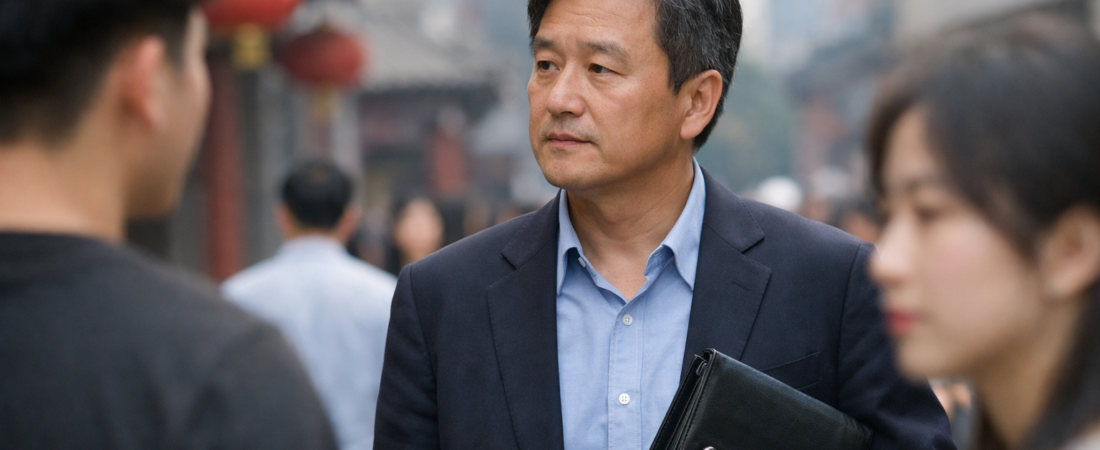
AI-Generated Photorealistic Image — All people, scenes, and details in this image are entirely AI-generated and fictional. Not a real photograph of an actual person or event. 이 이미지는 AI로 생성된 가상 이미지입니다.



Leave a Reply