
In winter, Koreans usually shift their routine toward barrier care, heavier moisturizers, and gentler cleansing. Many also add hand and lip care, a humidifier, and a warm drink habit. Exact product trends change each season, so check current retail rankings and survey data. This guide explains the pattern and how to read the data yourself.
Last checked: 2026-11-07
- Why winter changes the routine
- The skincare swaps people make
- Body, hands and lips
- Home and daily habits
- How to read Korean data yourself
- FAQ
- Sources
- Related guides
Why winter changes the routine
Korean winters are cold and dry. Cold air holds little moisture, and heated indoor air makes it worse.
Many Korean homes use floor heating, called ondol. Offices, cafes, and subway cars are also well heated. So skin faces a sharp swing between freezing streets and very warm rooms.
That swing is a common reason people give for changing their skincare. Dryness, tightness, flaking, and redness around the nose and cheeks come up often in everyday conversation. The word geonjo (건조) means “dry” or “dryness.” You will hear it a lot from November onward.
This is a pattern, not a rule. Skin types differ, and so do climates across the country. Busan is milder than Gangwon-do. Someone with oily skin may change very little.
The useful question is not “what do all Koreans do.” It is “what do many people tend to adjust, and why.”
The skincare swaps people make
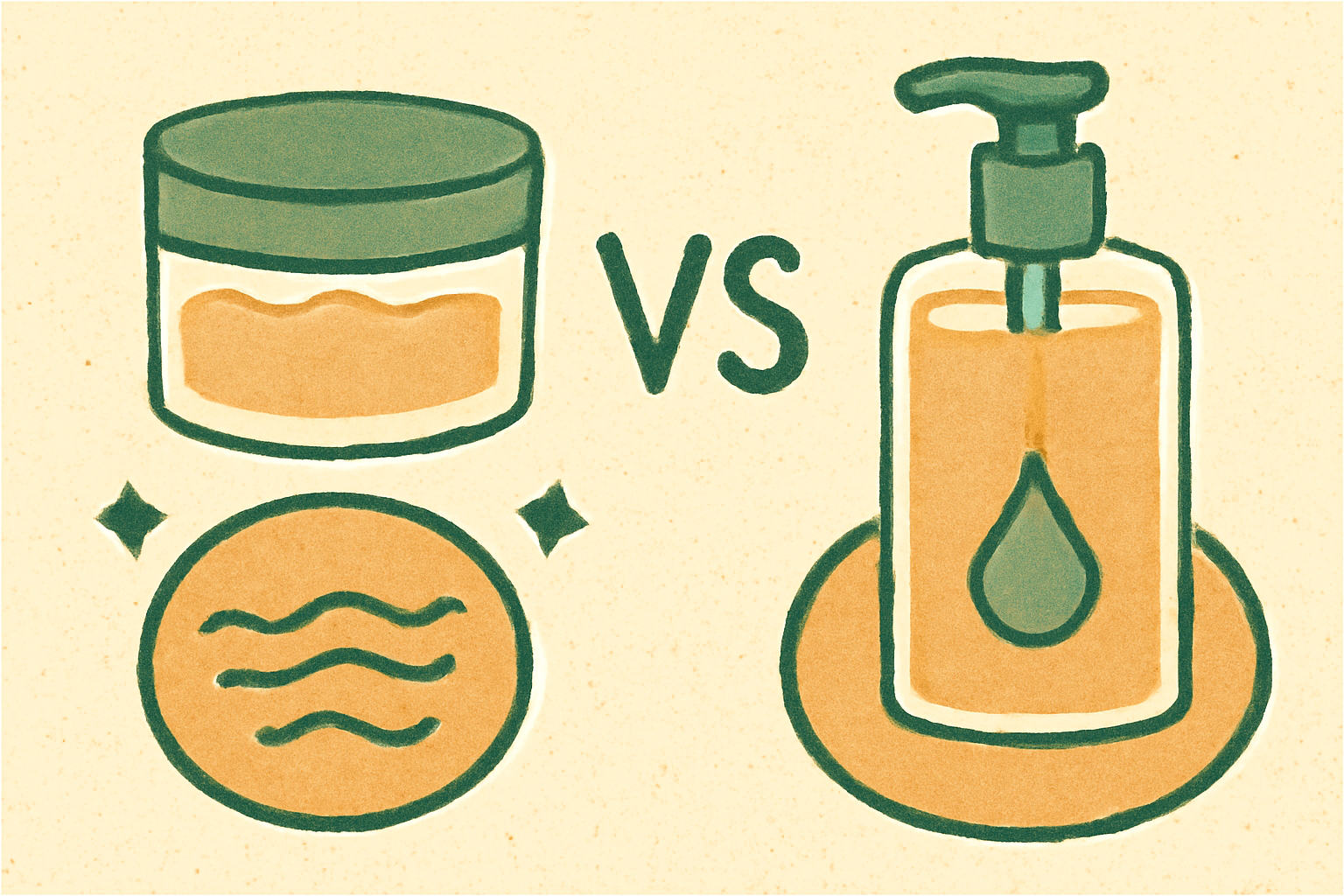
Most winter changes follow one idea. Keep the layers simple, protect the skin barrier, and seal in moisture.
Cleansing gets gentler
Many people move from foamy or gel cleansers to milder, low-foam options. Some switch to a cream or balm cleanser at night. Others simply wash with cleanser only once a day.
The reasoning is easy to follow. Strong cleansing strips oils, and winter skin has fewer to spare.
Toners and essences get richer
Light, watery toners often give way to thicker, more hydrating ones. Layering a hydrating toner in thin coats is a familiar Korean habit. You may see it described online as the “skin-soaking” or layered approach.
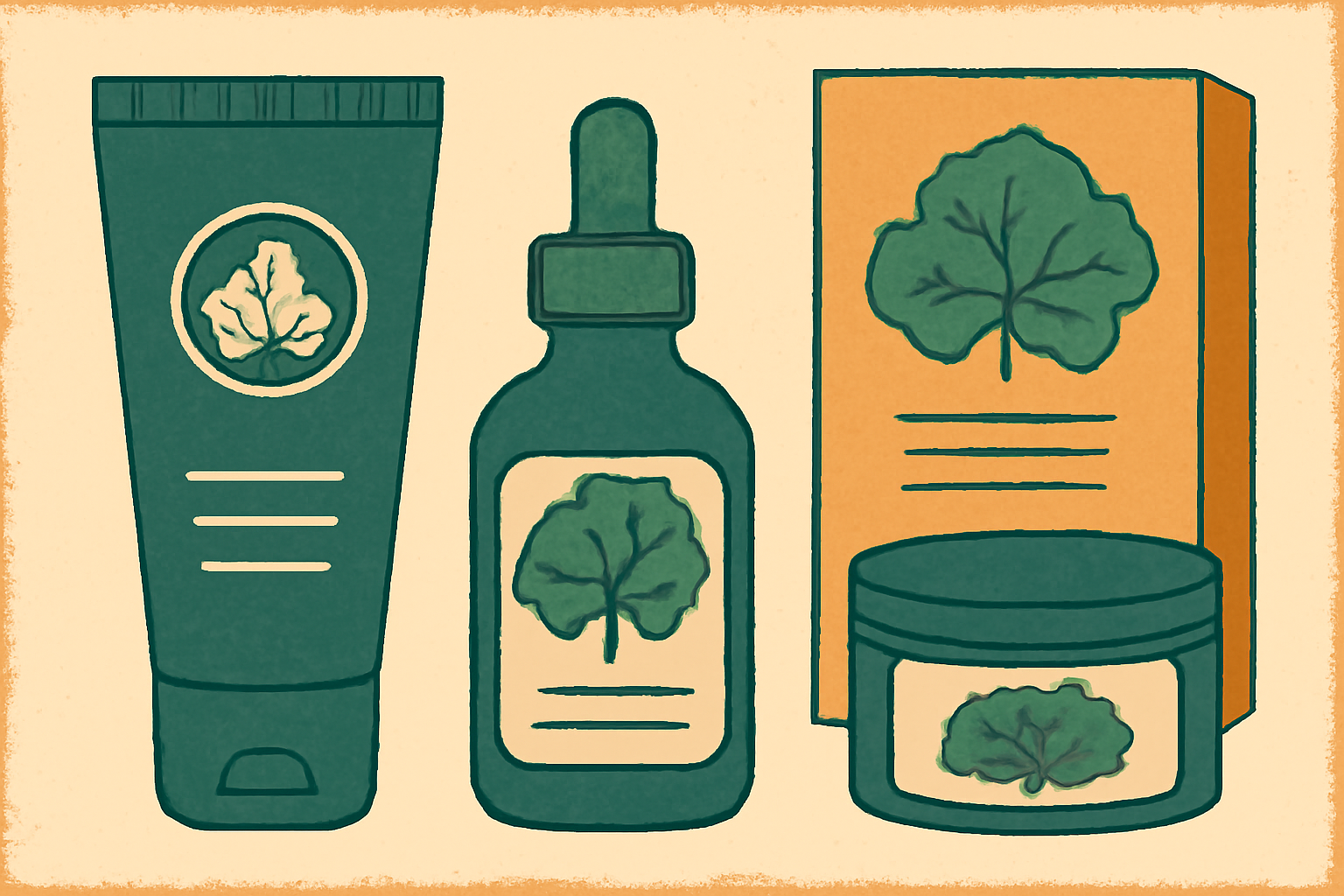
Ingredient names you may notice on labels include hyaluronic acid, ceramides, panthenol, and centella asiatica. Treat these as common label terms, not promises of results.
Moisturizer gets heavier
This is the swap people mention most. A gel-cream used in summer becomes a thicker cream in winter. Some add a sleeping mask or a balm as the last step at night.
Actives get dialed back
Exfoliating acids and strong retinoids can feel harsh in dry air. Many people use them less often in winter or pause them. If you use prescription products, follow your clinician’s advice, not a trend.
Sunscreen stays
Sunscreen does not disappear in winter. UV is still present, and snow reflects it. Many Korean skincare guides keep daily sunscreen year-round, often in a creamier, more moisturizing formula.
Body, hands and lips
Winter care goes beyond the face. Korean drugstores and convenience stores shift their displays in cold months.
Look for seasonal stock in these areas:
- Hand cream: small tubes sit near registers at many shops. Carrying one in a coat pocket is common.
- Lip balm: a thicker balm or overnight lip mask often replaces a light tint.
- Body lotion or oil: richer formulas appear, often applied right after a shower.
- Foot care: heels crack more in dry weather, so foot creams and socks-with-treatment sell in winter.
- Heat packs: disposable hot packs (haetpaek, 핫팩) are a winter staple, though they are not skincare.
These are widely visible patterns in shops. They are not guarantees of what any one person buys.
Home and daily habits
Routine change is not only about products. Habits shift too.
Many households run a humidifier (gaseupgi, 가습기) in bedrooms. Some people also hang damp towels or place water bowls near heaters. Humidity levels that feel comfortable vary, so follow your device’s guidance.
Showers and baths often get warmer in winter. Very hot water can dry skin further, so some people lower the temperature or shorten the time. Others still enjoy a long soak at a public bathhouse (jjimjilbang or mogyoktang). Both are normal.
Warm drinks are part of the season as well. Citron tea (yuja-cha), ginger tea, and barley tea are common. These are comfort habits, not skin treatments.
Clothing matters too. Scarves, hats, and masks protect the face from wind. Many people say cold wind is what irritates their skin most.
A simple comparison
The table below compares typical summer and winter choices. Prices are rough, illustrative ranges for mainstream products sold in Korea. They are not quotes from any brand, and real prices vary widely. Check the shop or brand site for current prices. Exchange rates also change, so the USD figures are approximate.
| Routine step | Typical summer choice | Typical winter choice | Illustrative price range |
|---|---|---|---|
| Cleanser | Gel or foam cleanser | Milder, low-foam or cream cleanser | About $8-20 / 11,000-27,000 KRW |
| Toner or essence | Light, watery toner | Richer, layered hydrating toner or essence | About $10-30 / 14,000-40,000 KRW |
| Moisturizer | Gel or gel-cream | Thicker cream, sometimes a sleeping mask | About $12-35 / 16,000-47,000 KRW |
| Sunscreen | Light, fresh-finish | Creamier, more moisturizing formula | About $10-25 / 14,000-34,000 KRW |
| Hand cream | Occasional use | Carried and used daily | About $3-12 / 4,000-16,000 KRW |
| Lip care | Light balm or tint | Thick balm or overnight lip mask | About $3-15 / 4,000-20,000 KRW |
These ranges are broad on purpose. Sales, brand tier, and shop type change the real number a lot. Treat the table as a guide to the pattern, not a price list.
How to read Korean data yourself
Articles about “what Koreans buy” often repeat one viral chart. A better habit is to know which kinds of sources exist and what each can tell you.
Types of Korean data worth knowing
- National statistics. Statistics Korea (KOSTAT) publishes household and consumer data. It covers broad spending categories, not single products.
- Weather data. The Korea Meteorological Administration (KMA) publishes temperature and humidity records. These show how dry a given winter actually is.
- Regulator information. The Ministry of Food and Drug Safety (MFDS) oversees cosmetics and functional cosmetics. It is the place to check rules, not trends.
- Retail rankings. Large health-and-beauty chains and online beauty platforms publish bestseller lists. These show what sells right now, but each list covers only that retailer’s shoppers.
- Search and social trend tools. Search portals and social platforms show what people look up or discuss. They measure interest, not purchases.
- Industry reports. Trade bodies and market research firms publish category sizes. Many are paid or partly paid, so read the method note.
How to use them well
First, match the source to the question. Retail rankings answer “what is selling.” Weather data answers “how dry is it.” Neither alone explains why.
Second, check the date and the sample. A ranking from last winter may not match this one. A list from one chain does not describe the whole country.
Third, watch for sponsored placement. Some online rankings blend sales with promotion. Read how a list is built before trusting it.
Fourth, expect numbers to change. This article gives patterns, not live figures. For current numbers, open the official or retailer source directly and note the date.
If you cannot confirm a figure from a primary source, treat it as unverified. That includes statistics repeated across blogs and social posts.
FAQ
Do all Koreans change their skincare in winter?
No. Many people adjust, but not everyone. Skin type, region, and personal taste all matter. People with oily skin may change little, while very dry skin may need more care.
Is a heavier cream always better in winter?
Not always. A thicker cream can feel heavy or clog some skin types. Many people layer a hydrating toner under a lighter cream instead. If you have skin concerns, ask a dermatologist or pharmacist.
Should I keep using sunscreen in winter?
Many Korean skincare guides say yes. UV is present year-round, and snow can reflect it. Creamier formulas can feel more comfortable in dry air. Follow guidance from a qualified professional for your own skin.
Where can I check what is selling in Korea right now?
Look at the bestseller pages of large Korean health-and-beauty retailers and beauty platforms. Compare more than one, and note the date. Remember each list reflects only that retailer’s customers.
Are the prices in your table exact?
No. They are rough, illustrative ranges and exchange rates change. Always check the shop or brand site for the current price before you plan a purchase.
Sources
- Statistics Korea (KOSTAT): https://kostat.go.kr/
- Korea Meteorological Administration (KMA): https://www.kma.go.kr/
- Ministry of Food and Drug Safety (MFDS): https://www.mfds.go.kr/

Leave a Reply