Table of Contents
Changwon, a coastal city in South Gyeongsang Province, offers hands-on experience programs at its major tourist and exhibition facilities during holiday seasons. These programs let families combine sightseeing with interactive activities in one visit. Local officials expect these offerings to boost longer-stay tourism throughout the region.
Have you ever wondered how a mid-sized Korean city turns a national holiday into a full travel destination? Changwon does exactly that. Instead of quiet streets during Chuseok, the Korean equivalent of Thanksgiving, this city fills its museums and parks with activities for returning families and curious travelers alike.
That matters if you are planning a Korea trip that lands on a holiday period. Many visitors assume Korean cities slow down during major holidays. Changwon proves the opposite can be true, especially if you know where to look.
Why Changwon Deserves a Spot on Your Korea Itinerary
Changwon rarely tops the typical Korea bucket list. Seoul, Busan, and Jeju usually get all the attention, and that is understandable. But Changwon offers something those bigger cities cannot always provide: a calmer, more local experience without sacrificing quality attractions.
The city sits along the southern coast, blending industrial history with green spaces and cultural sites. It became a planned city decades ago, and that legacy still shapes its wide streets and organized districts. This makes Changwon easy to navigate, even for first-time visitors unfamiliar with Korean transit systems.
During major holidays like Chuseok, Changwon activates its tourism and exhibition infrastructure in a coordinated way. Multiple facilities across the city join together to offer programming at the same time. That coordination is worth noting, because it reflects how Korean local governments often use holidays to showcase regional identity.
You might ask why a city would invest so much effort into holiday programming. The answer connects to a broader trend in Korean domestic tourism. Cities compete for “stay-type” visitors, meaning tourists who linger for a day or two instead of passing through quickly.
Chuseok Travel Culture and What It Means for Visitors
Chuseok is one of Korea’s two biggest holidays, alongside Lunar New Year. Traditionally, it centers on family gatherings, ancestral rites, and returning to one’s hometown. Millions of Koreans travel across the country during this period, creating what feels like a national migration.
Picture the scale of American Thanksgiving travel, then multiply the traffic several times over. That comparison helps explain why Chuseok week transforms Korea’s highways and train stations into something close to controlled chaos. Yet within that busy backdrop, cities like Changwon carve out space for leisure and family bonding.
Chuseok in Changwon has evolved beyond pure family ritual. Local museums, parks, and exhibition halls now offer programs designed specifically for holiday visitors. This shift mirrors a wider change in Korean holiday culture, where family time increasingly includes shared outings rather than only home-based rituals.
Why does this shift matter for international travelers? It signals that Korean holidays are becoming more accessible entry points for tourism, not obstacles to avoid. If you time a visit around Chuseok, you can experience both traditional customs and modern city programming in Changwon within a single trip.
This blending of old and new is not unique to Changwon, but the city executes it with notable coordination. According to Yonhap News Agency, several Changwon tourist and exhibition facilities are aligning their holiday offerings this season. That kind of citywide cooperation gives visitors more reason to stay longer.
Best Changwon Attractions and Experience Programs to Try
Changwon’s approach centers on variety. Rather than one flagship event, the city spreads activities across multiple venues, so families can move between locations throughout the day. This structure suits travelers who want flexibility instead of a single fixed schedule.
Exhibition facilities in Changwon often include hands-on components alongside static displays. That means children and adults alike can participate rather than simply observe. This experience-first model has become increasingly common in Korean regional tourism, especially during holiday periods when families travel together.
The city’s tourism strategy also reflects Changwon’s broader identity as a place where industry and culture intersect. Some exhibition spaces highlight the region’s manufacturing heritage, while others focus on nature, art, or local history. Visitors can choose experiences that match their interests rather than following one predetermined path.
Isn’t it refreshing when a destination lets you build your own day instead of dictating it? Changwon’s multi-site holiday programming does exactly that. You can spend a morning at an exhibition hall, an afternoon exploring a park, and an evening enjoying a local meal, all within a manageable travel radius.
This kind of programming also benefits residents, not just tourists. Local families often use Chuseok as a chance to reconnect with their own city’s attractions. That dual audience, visitors and locals together, gives Changwon’s holiday events a genuine community feel rather than a purely commercial one.
Planning Your Own Changwon Holiday Trip
If you want to experience Changwon during a Korean holiday, timing and flexibility matter most. Book accommodations early, since domestic travel demand spikes sharply during Chuseok week. Public transportation also gets busier, so building extra time into your schedule helps avoid stress.
Consider basing your trip around two or three key facilities rather than trying to see everything. Changwon rewards travelers who move slowly and engage with fewer sites more deeply. This approach also lets you experience the city’s rhythm rather than rushing through a checklist.
There is something worth sitting with here, beyond logistics. Holiday travel often exposes a quiet tension in modern life: the pull toward hometown tradition competing with the pull toward new experiences. Changwon’s approach does not resolve that tension, but it offers a bridge, letting families honor old customs while still discovering something new together.
That same tension exists in every culture that values both roots and change, and it rarely gets fully solved. What Changwon does well is create space for both impulses at once, without forcing visitors to choose. Perhaps that is the quieter lesson here: hospitality does not require perfect harmony, only genuine effort to make room for different needs.
Looking ahead, Changwon’s model may influence how other mid-sized Korean cities approach holiday tourism. As domestic travelers seek alternatives to overcrowded major destinations, cities offering coordinated, experience-rich programming stand to benefit. Changwon’s willingness to activate its full network of attractions during Chuseok offers a template worth watching.
What do you think about building a Korea trip around a lesser-known city like Changwon instead of the usual tourist hotspots?
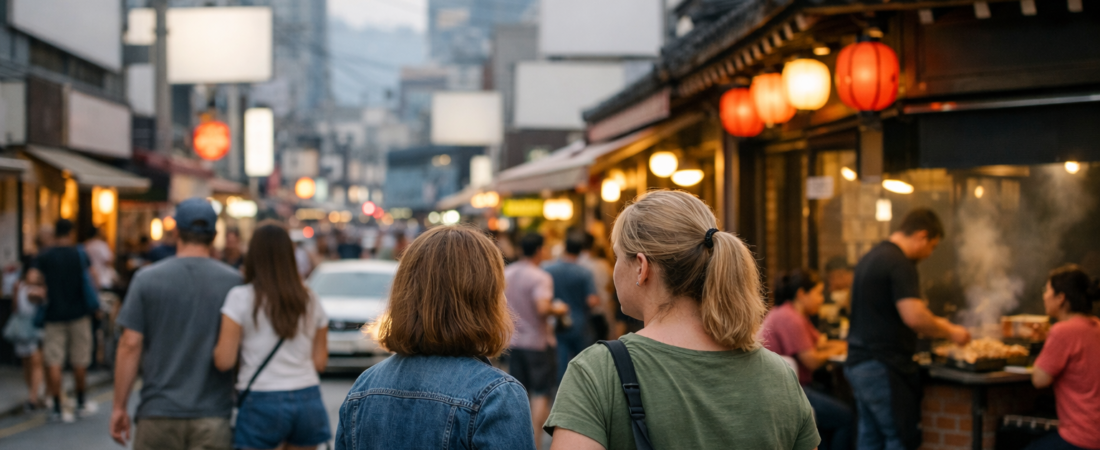
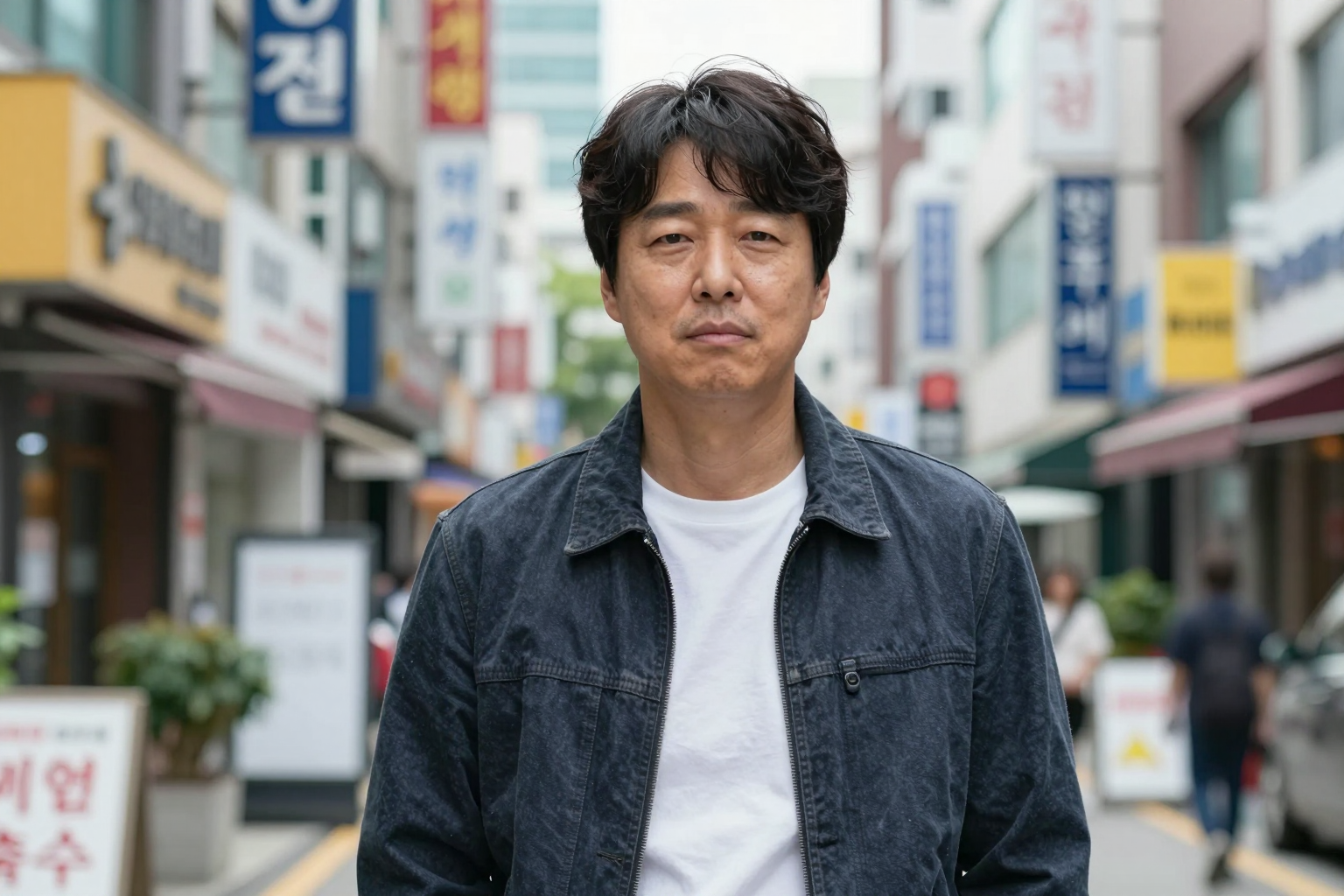
AI-Generated Photorealistic Image — All people, scenes, and details in this image are entirely AI-generated and fictional. Not a real photograph of an actual person or event. 이 이미지는 AI로 생성된 가상 이미지입니다.
Leave a Reply