Table of Contents
Pyo Jae-soon spent 70 years directing Korean television, theater, and one unforgettable Olympic ceremony. A new book now collects his memories, revealing how a single director shaped scenes that generations of Koreans still recognize today. His stories range from a boy rolling a hoop across an Olympic stadium to a cigarette lit under presidential orders on live television.
Have you ever wondered who decides what actually appears on your screen? Behind every drama, every stage play, every historic broadcast, someone makes hundreds of invisible choices. Pyo Jae-soon made those choices for seven decades, and his new memoir finally puts his name where it belongs — front and center.
Who Is Pyo Jae-soon and Why He Matters
Pyo Jae-soon is a veteran Korean stage and television director whose career stretches back to the earliest days of Korean broadcasting. He worked across drama, live theater, and major national events, quietly shaping how Korean audiences experienced culture. Yet most viewers never learned his name.
That is the nature of directing. You shape everything, but you stand behind the camera, not in front of it. Pyo Jae-soon’s new book changes that, letting readers finally hear his own voice describe decades of decisions most people never noticed.
According to Maeil Business Newspaper, the book gathers interviews and personal recollections spanning his entire career. It covers everything from television dramas broadcast into living rooms across the country, to theater productions performed live for audiences. Pyo Jae-soon’s fingerprints, the article notes, appear on some of the most memorable images in modern Korean cultural history.
Why does this matter to readers outside Korea? Because Pyo Jae-soon’s career mirrors the growth of Korean media itself. He started when Korean television was young and limited, and he kept working as it grew into the global cultural force it is today.
Smoking Scenes, Censorship, and the President’s Cigarette
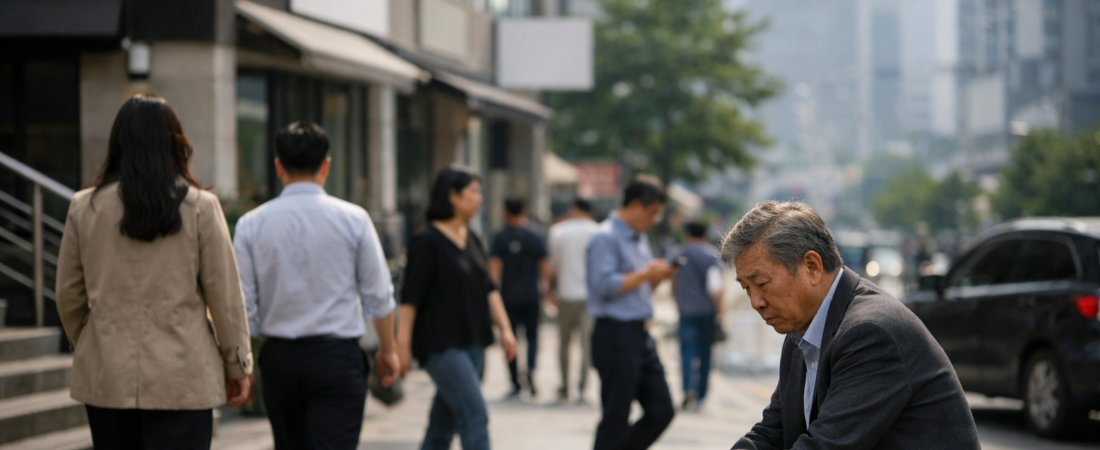
One striking anecdote involves the classic detective drama known in Korean as “Investigation Chief.” According to the memoir, a smoking scene in the show reportedly caught the attention of South Korea’s president at the time, who then lit his own cigarette while watching. It sounds like a small moment, but it says a lot about how closely government officials once monitored Korean broadcasting.
Television in earlier decades operated under heavy political oversight. Directors like Pyo Jae-soon had to consider not just artistic quality, but also what censors, and sometimes the presidential office itself, would think of a single scene. A cigarette on screen was never just a cigarette back then.
This explains something many younger viewers might not realize: why smoking scenes gradually disappeared from Korean television over the decades. Public health campaigns played a role, certainly. But according to Pyo Jae-soon’s recollections, political sensitivity and shifting production norms mattered just as much.
Think about how differently Korean dramas handle smoking today compared to the era Pyo Jae-soon describes. Modern shows rarely feature it at all, reflecting both regulation and changed social attitudes. The memoir frames this shift not as a simple rule change, but as a slow transformation in what Korean society considered acceptable to broadcast.
The Hoop-Rolling Boy and Korea’s Global Debut
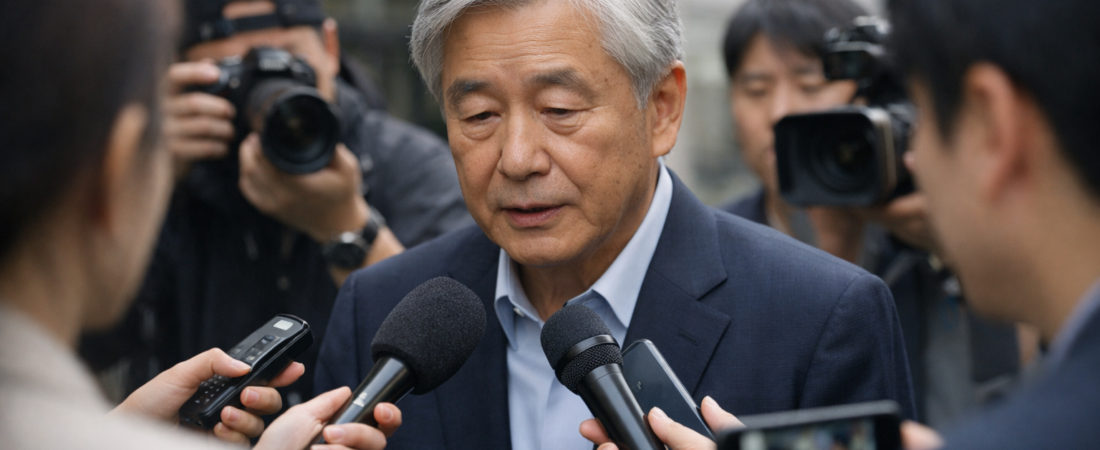
Perhaps Pyo Jae-soon’s most globally visible work came at the 1988 Seoul Olympics opening ceremony. A young boy rolling a hoop across the stadium floor became one of the most iconic images of that event, watched by audiences around the world. Pyo Jae-soon helped direct that ceremony, contributing to a moment that introduced modern South Korea to a global television audience.
That single scene carried enormous weight. Korea in 1988 was still working to establish its international image, only recently emerging from decades of political upheaval and rapid economic change. The Olympics gave the country a rare chance to present itself on its own terms, and directors like Pyo Jae-soon controlled exactly how that presentation looked.
Koreans take national image-building seriously — this is something of an understatement, given how much planning went into a single boy and a single hoop. But the moment worked precisely because of that care. Millions of viewers who had never thought much about Korea suddenly had one gentle, memorable image to associate with the country.
Isn’t it remarkable how one small creative decision can outlive an entire era of politics? The hoop-rolling boy scene still appears in retrospectives about the 1988 Olympics today, nearly four decades later. Pyo Jae-soon’s memoir reminds readers that such lasting images rarely happen by accident; they happen because someone behind the scenes fought for exactly the right detail.
What Pyo Jae-soon’s Memoir Teaches Modern Korea
Reading through Pyo Jae-soon’s 70 years of memories, a pattern emerges: Korean culture has always been shaped by tension between creative ambition and outside control. Censors, presidents, and shifting social norms all pressed against directors trying to tell honest stories. Yet somehow, memorable art still found its way through.
That tension has not disappeared. Korean directors today face different pressures — streaming platform demands, international audience expectations, algorithm-driven content decisions. The names change, but the basic challenge remains: how do you create something honest when powerful forces are watching over your shoulder?
There is something worth sitting with here about how creative work survives pressure. Pyo Jae-soon worked inside a system that sometimes limited what he could show, yet he still produced scenes that moved an entire nation and, in the Olympic case, the world. That is not a simple triumph story, because real constraints did shape and sometimes distort what he could make.
But it is also not a story of pure defeat, because meaningful work still emerged from those limits, and later generations gained more freedom partly because people like him kept pushing quietly against the edges. Progress rarely arrives as one dramatic breakthrough; it arrives through decades of small, careful decisions made by people willing to keep working within imperfect systems while hoping for better ones.
Pyo Jae-soon’s memoir also raises a broader question about who gets remembered in cultural history. Actors and presidents get their names attached to famous moments, while directors and producers often stay in the background. His book pushes back against that imbalance, insisting that the people who make the choices deserve to be part of the story too.
As Korean entertainment continues expanding globally through dramas, film, and music, Pyo Jae-soon’s career offers a useful reminder. Behind every viral scene or history-making broadcast, there is usually a director making hundreds of unseen decisions. What do you think — should audiences pay more attention to the people working behind the camera, not just the faces in front of it?
AI-Generated Photorealistic Image — All people, scenes, and details in this image are entirely AI-generated and fictional. Not a real photograph of an actual person or event. 이 이미지는 AI로 생성된 가상 이미지입니다.
Leave a Reply