Table of Contents
Can you open a locked door without first finding the key? That’s the question Korea’s Unification Minister Chung Dong-young seems to be asking about North Korea policy. He recently announced a major shift — from demanding denuclearization first, to prioritizing peace first.
This isn’t just diplomatic wordplay. It signals a real change in how Seoul plans to approach Pyongyang. And it raises a bigger question for anyone watching Korean politics: does talking come before disarming, or the other way around?
What Chung Dong-young Just Announced
Chung Dong-young, South Korea’s Minister of Unification, stated that the government is moving away from its long-standing “denuclearization first” stance. Instead, his ministry now favors what he calls a “peace first” approach.
What does that actually mean in practice? Rather than insisting North Korea give up its nuclear weapons before any dialogue begins, Chung Dong-young argues that Seoul should focus on opening the door to conversation first.
He believes talks themselves are the entry point, not the reward for good behavior. Chung Dong-young was careful to clarify one thing, though — this shift does not mean South Korea is abandoning its ultimate goal of denuclearization.
He simply argues that demanding it upfront has not worked. For years, that hardline sequencing kept the two Koreas locked in silence rather than dialogue.
So Chung Dong-young is proposing a different order of operations. Talk first, build trust, and keep the denuclearization goal alive in the background rather than at the front door.
Peace First vs. Denuclearization First: What’s the Real Difference?
Let’s break this down simply. “Denuclearization first” means North Korea must show real steps toward giving up nuclear weapons before South Korea and its allies offer any major concessions or restart talks.
It sounds tough and principled, doesn’t it? But critics have long pointed out a flaw — if that’s the precondition, negotiations may never even start.
North Korea has shown little willingness to disarm as a starting gesture. Chung Dong-young’s “peace first” model flips that logic.
Instead of waiting for North Korea to act first, South Korea would initiate dialogue, build a peace framework, and treat denuclearization as a long-term outcome of that process. Think of it like negotiating a business deal.
Do you demand the other side sign the contract before you even sit down at the table? Or do you build enough trust through conversation that a deal becomes possible later?
Chung Dong-young clearly believes the second path is more realistic. He’s betting that engagement creates leverage that isolation never could.
A Familiar Pendulum: Korea’s Shifting North Korea Policy
If this debate sounds familiar, it’s because it is. South Korea’s approach to North Korea has swung between engagement and pressure for decades.
The Sunshine Policy era under President Kim Dae-jung in the late 1990s prioritized dialogue and economic cooperation. It led to the historic 2000 inter-Korean summit.
Later administrations, particularly under conservative leadership, returned to a harder line, insisting on denuclearization as a precondition for any major engagement. Chung Dong-young himself is not new to this debate.
He served as Unification Minister once before, back in the mid-2000s, during a period of active inter-Korean engagement. His current statements echo that earlier chapter of his career.
This pattern raises an important question. Why does Korea keep returning to the same debate, generation after generation?
Part of the answer lies in geography and history. Korea remains technically divided by an armistice, not a peace treaty, since the Korean War ended in 1953.
That unresolved status means every administration inherits the same core dilemma. Do you prioritize security guarantees through pressure, or long-term stability through dialogue?
Chung Dong-young’s “peace first” framing suggests he’s siding firmly with the dialogue camp this time. For deeper background on the historical negotiation cycles between the two Koreas, readers can consult Yonhap News Agency for additional analysis.
What Chung Dong-young’s Strategy Means for the Future
So where does this leave inter-Korean relations going forward? Chung Dong-young’s shift suggests the current government wants to test whether opening communication channels can succeed where ultimatums failed.
That’s a meaningful bet, especially given how quiet inter-Korean communication has been in recent years. North Korea has largely ignored outreach attempts tied to denuclearization demands.
A peace-first approach might lower the barrier enough to restart basic contact — even something as simple as reopening a communication hotline. But skeptics will ask a fair question.
Doesn’t removing the precondition risk rewarding North Korea without getting anything concrete in return? Chung Dong-young’s answer seems to be that the current stalemate isn’t working either, so a new path is worth trying.
He insists denuclearization remains the endpoint, just not the entry ticket. That distinction matters for how you read this policy shift.
It’s not surrender. It’s sequencing. Chung Dong-young is essentially arguing that peace and stability need to be built first, brick by brick, before the harder issue of weapons can be tackled seriously.
Whether this succeeds depends heavily on North Korea’s own willingness to respond. Pyongyang has ignored past South Korean overtures when it saw no strategic benefit.
Chung Dong-young’s approach only works if North Korea sees genuine value in re-engaging. That’s the unresolved variable nobody can control from Seoul alone.
Looking ahead, expect this “peace first” language to shape South Korea’s diplomatic messaging for months to come. Chung Dong-young has set a clear tone at the Ministry of Unification, and that tone will likely influence how officials frame every future outreach attempt toward Pyongyang.
The real test isn’t the announcement itself. It’s whether North Korea responds at all.
What do you think — can dialogue succeed without denuclearization guarantees upfront, or does Chung Dong-young’s approach risk giving up leverage too soon?
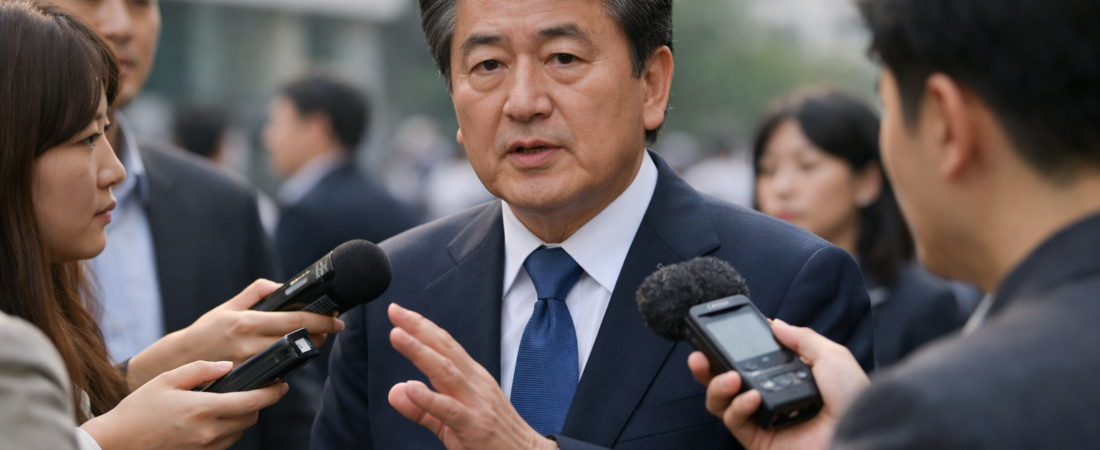
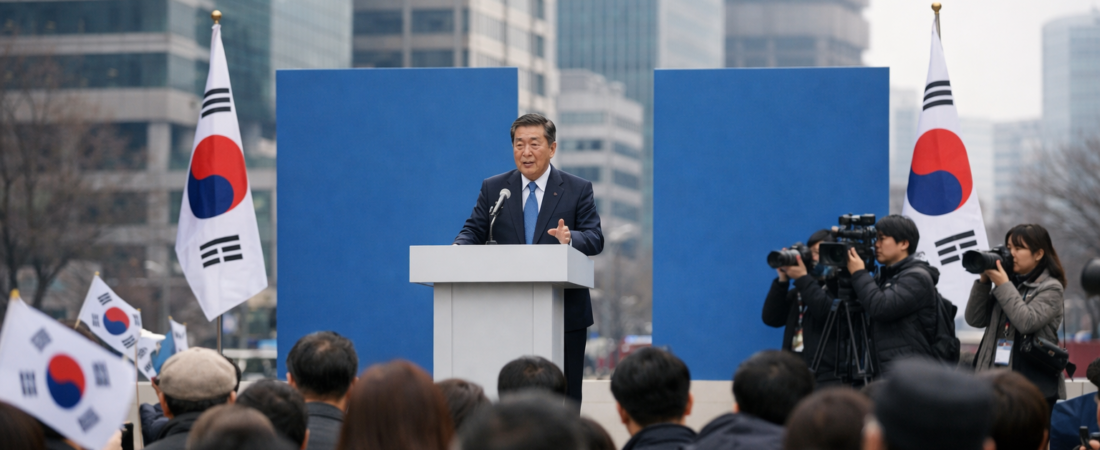
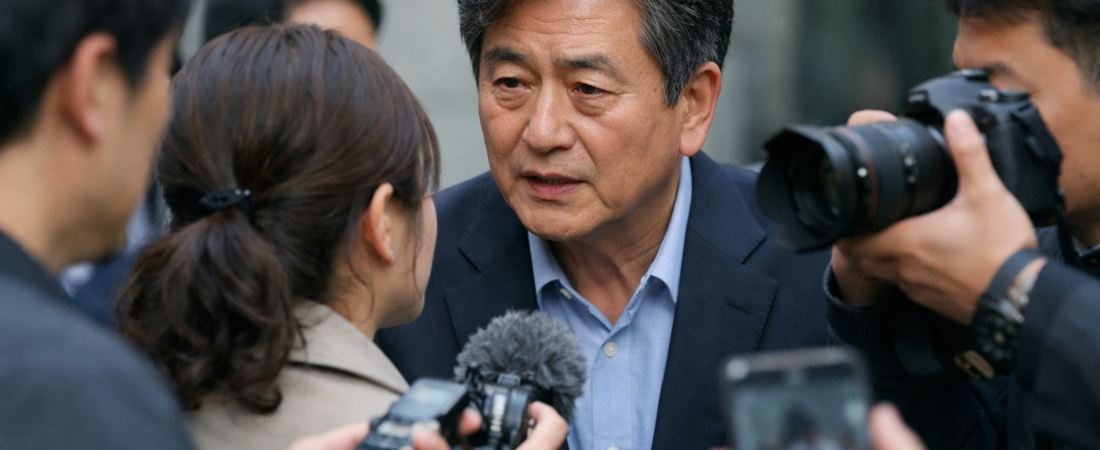
AI-Generated Photorealistic Image — All people, scenes, and details in this image are entirely AI-generated and fictional. Not a real photograph of an actual person or event. 이 이미지는 AI로 생성된 가상 이미지입니다.


Leave a Reply