
Table of Contents
Can one law reshape how an entire country prosecutes crime? That’s exactly what’s unfolding in Seoul this week. The Criminal Procedure Act Amendment has become the center of a fierce political battle, and both major parties are digging in for a fight.
The Democratic Party of Korea plans to push the bill through the National Assembly’s plenary session before the week ends. The People Power Party says it will do everything possible to stop it, including a filibuster. So why does one piece of legislation carry this much weight?
What’s Happening: The Criminal Procedure Act Amendment Showdown
At the heart of the dispute sits a simple but powerful change. The Criminal Procedure Act Amendment would completely abolish “supplementary investigation” powers held by prosecutors. Right now, prosecutors can send a case back to police and demand more investigation before deciding whether to indict.
The Democratic Party wants to remove that power entirely. Supporters argue it keeps prosecutors from stalling cases or pressuring police investigations indirectly. Critics see it very differently, and that’s where the real conflict begins.
The Democratic Party controls a majority in the National Assembly, so passing the bill is technically within reach. But numbers alone don’t guarantee a smooth process. The People Power Party has announced plans for a filibuster, a procedural tool designed to delay or block a vote through extended debate.
This isn’t just a policy disagreement. It’s a test of how much control lawmakers want police to have over criminal investigations, and how much oversight prosecutors should keep. Justice Minister Jeong Seong-ho appeared before the Legislation and Judiciary Committee this week, but he carefully avoided commenting on his own political future during the hearing.
That silence itself sent a message. When a justice minister avoids questions about his position during a major legal reform debate, it usually signals just how sensitive the issue has become. Readers following Korean politics closely know this pattern well — silence often speaks louder than statements.
Why the Democratic Party Wants This Change
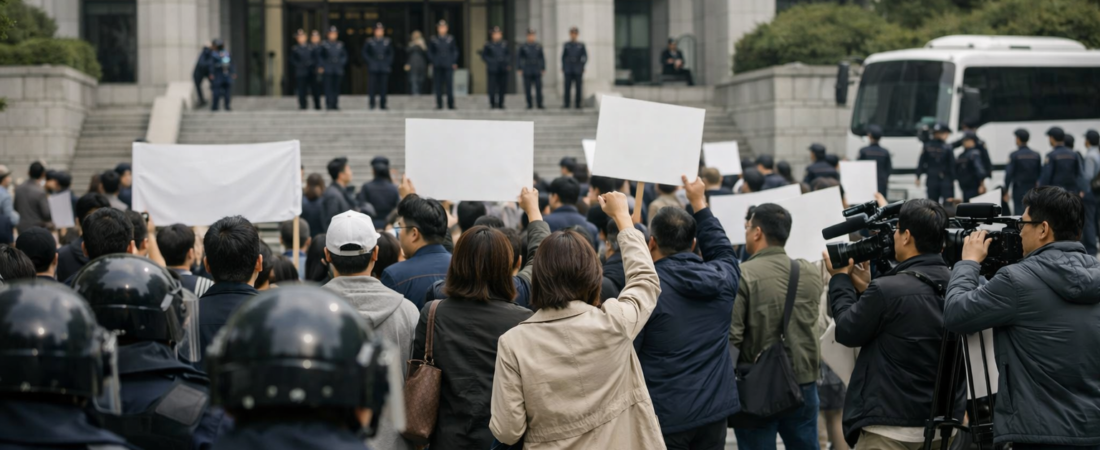
The Democratic Party frames the Criminal Procedure Act Amendment as the next logical step in prosecution reform. Korea has spent years debating how to balance power between police and prosecutors. This bill fits into a larger effort already underway.
In October, two new agencies are scheduled to launch: the Public Prosecution Agency (Gongsocheong) and the Serious Crimes Investigation Office (Jungdae Beomjoe Susacheong). These bodies are designed to separate investigation authority from indictment authority even further. The Criminal Procedure Act Amendment is meant to complete that structural shift.
Democratic Party lawmakers argue that removing supplementary investigation power prevents prosecutors from indirectly controlling police work. Think about it this way — if prosecutors can always send a case back for “more investigation,” do they still hold hidden influence over how police build a case? That’s the core argument driving this reform push.
Party leaders also want this bill finalized before the two new agencies officially begin operating in October. Timing matters here. If the legal framework isn’t settled before launch, the new agencies could face confusion about their own authority from day one.
That’s why the Democratic Party insists on processing the bill this week rather than waiting. Delay isn’t just inconvenient — it risks leaving a legal gap right when the new system needs clarity most. This urgency explains why party leadership is moving forward despite strong opposition.
Why the People Power Party Is Fighting Back
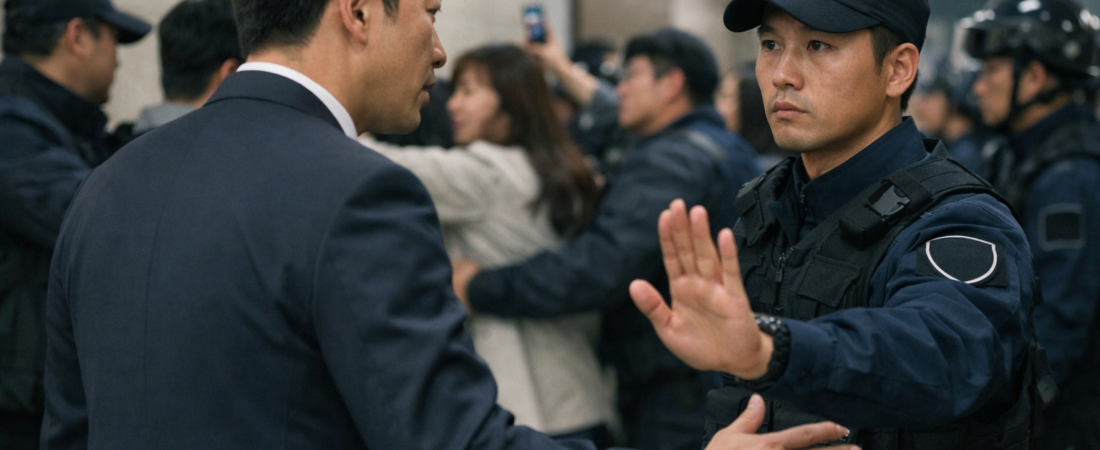
The People Power Party sees this very differently. Their main concern centers on accountability. If prosecutors lose supplementary investigation power completely, who checks police investigations when something goes wrong?
Opposition lawmakers argue this creates a serious gap in victim protection. Imagine a case where police investigation work is incomplete or flawed. Without supplementary investigation power, could victims lose a critical safety net during the prosecution process?
That question sits at the center of the People Power Party’s objection to the Criminal Procedure Act Amendment. They argue prosecutors currently serve as a second layer of review, catching mistakes before charges move forward. Removing that layer, they say, shifts too much unchecked power to police alone.
This isn’t the first time Korea has debated police-prosecution power balance. The country underwent a major prosecution reform back in 2020 and 2021, which already reduced prosecutorial investigation authority significantly. The People Power Party argues this new bill goes even further, perhaps too far.
To block the vote, the party has committed to a filibuster strategy. This tactic won’t stop the bill forever, but it can delay the vote and force extended public debate. For readers unfamiliar with Korean legislative procedure, a filibuster here works similarly to those used in the U.S. Senate — a way to extend debate and slow down the majority’s timeline.
Whether that strategy succeeds depends heavily on how united the Democratic Party remains under pressure. Political filibusters test party discipline as much as they test public patience. For readers who want to track live updates on National Assembly proceedings, outlets like Yonhap News Agency continue reporting developments as the floor debate unfolds.
What Comes Next: Prosecution Reform and the Bigger Picture
So what happens after this week’s vote, win or lose? The Democratic Party has already signaled its next steps. Follow-up legislation tied to the October launch of the Public Prosecution Agency and Serious Crimes Investigation Office is already being prepared.
That means the Criminal Procedure Act Amendment isn’t a standalone event. It’s one piece of a much larger restructuring of Korea’s criminal justice system. Understanding this bigger picture matters, especially for readers trying to make sense of Korean political news beyond a single headline.
Korea’s prosecution system has undergone dramatic change since 2020. Investigative authority has moved steadily from prosecutors toward police and specialized agencies. This week’s fight over the Criminal Procedure Act Amendment represents the latest chapter in that ongoing transformation, not the final one.
For everyday citizens, the stakes are concrete rather than abstract. Faster investigations could mean quicker justice, but reduced oversight could mean more errors slipping through. Which risk matters more to you as a reader — speed or safeguards?
That tension explains why this debate generates such strong reactions from both sides of Korea’s political spectrum. Neither position is simply right or wrong; each reflects different priorities about how justice should function. The Criminal Procedure Act Amendment forces lawmakers to choose which risk they’re more willing to accept.
Looking ahead, expect this debate to intensify rather than fade once October arrives. New agencies launching under unclear or contested legal authority tend to generate friction almost immediately. Korea’s justice system reform story is far from finished, and this week’s vote is just one more milestone along the way.
What do you think — should prosecutors keep supplementary investigation power as a safeguard, or does removing it finally complete Korea’s long-promised justice system reform?
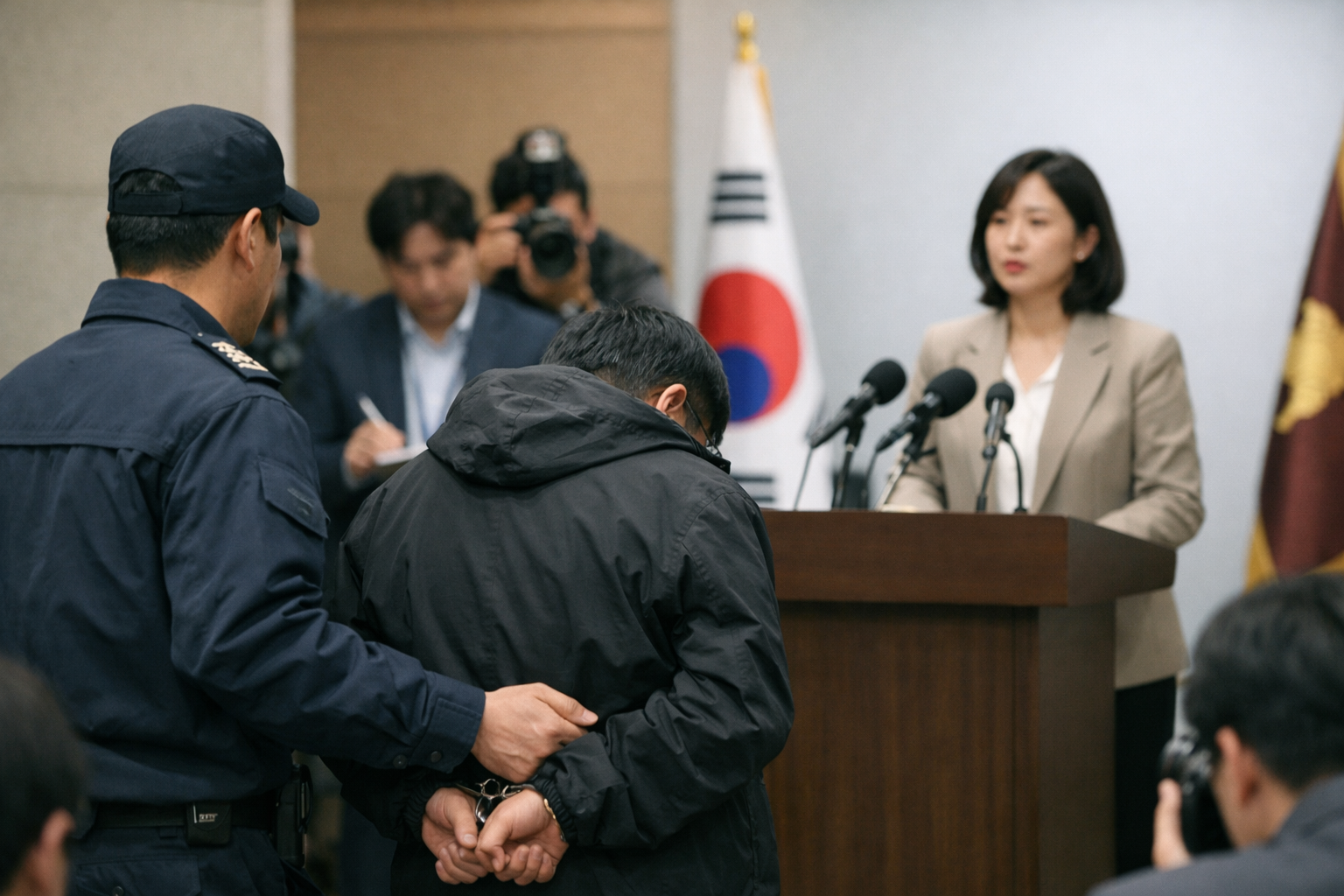
AI-Generated Photorealistic Image — All people, scenes, and details in this image are entirely AI-generated and fictional. Not a real photograph of an actual person or event. 이 이미지는 AI로 생성된 가상 이미지입니다.

Leave a Reply