Table of Contents
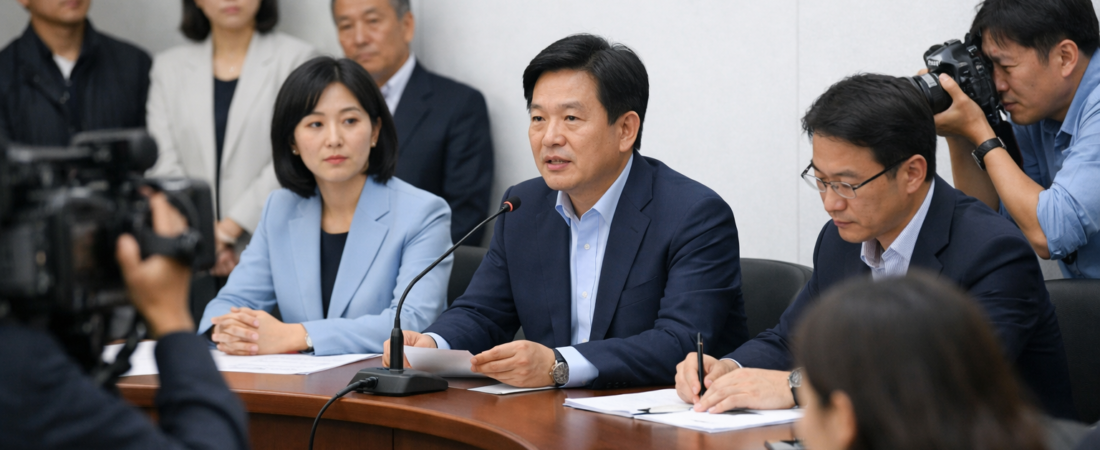
Can a political leader question the legitimacy of an election without damaging democracy itself? That question sits at the center of a fierce clash in Seoul this week. The Democratic Party of Korea has demanded that a rival party leader stop spreading what it calls dangerous election fraud conspiracy theories.
This is not a small disagreement between two parties. It touches something much bigger: public trust in Korea’s electoral system. And the Democratic Party of Korea is making sure everyone knows where it stands.
What Sparked the Controversy?
The trouble started with comments from Jang Dong-hyuk, leader of the People Power Party. He has been publicly promoting theories that suggest Korean elections may have been rigged. These claims are not new to Korean politics, but they carry real weight when they come from a major party leader.
Why does this matter so much? Because election fraud claims, even unproven ones, can quietly erode public confidence. Voters need to trust the system, or democracy itself starts to wobble.
The Democratic Party of Korea sees Jang’s comments as more than political rhetoric. Party officials view them as a direct threat to the foundation of Korean democracy. That is a serious accusation, and it did not go unanswered.
The Democratic Party of Korea Fires Back
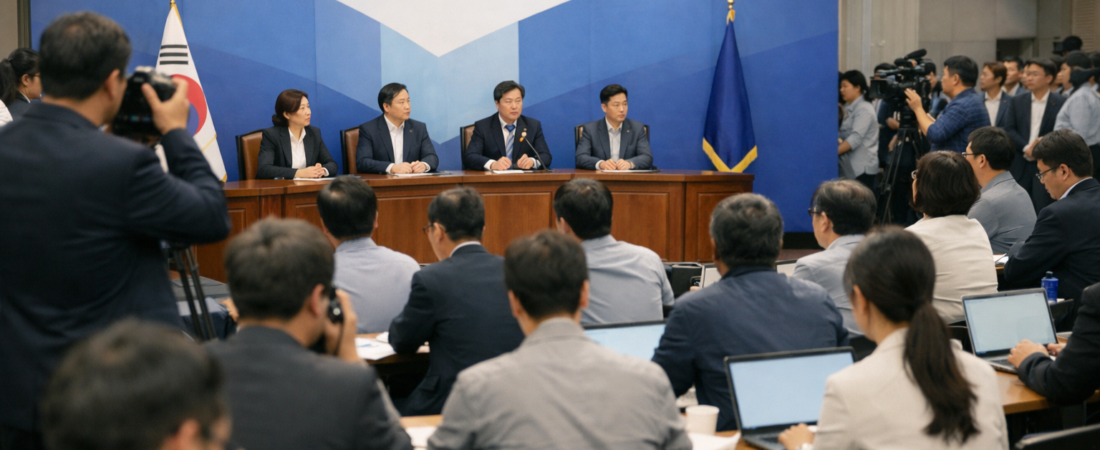
Kim Seong-hoe, floor spokesperson for the Democratic Party of Korea, did not hold back. He called Jang’s remarks “irresponsible street-level agitation” that shakes the very roots of democracy. Strong words, but the Democratic Party of Korea clearly wanted to send a clear message.
Think about what “street-level agitation” implies here. It suggests comments made for public spectacle, not backed by evidence or responsible leadership. The Democratic Party of Korea is essentially saying: this is not how a party leader should behave.
The party demanded an immediate stop to these conspiracy theories. No middle ground, no soft language. The Democratic Party of Korea framed this as a matter of national importance, not just party rivalry.
Is this response political theater, or genuine concern? Probably both. Korean politics often blends principle with strategy, and the Democratic Party of Korea knows this fight resonates with voters who value institutional stability.
Prosecutorial Reform: The Bigger Battle
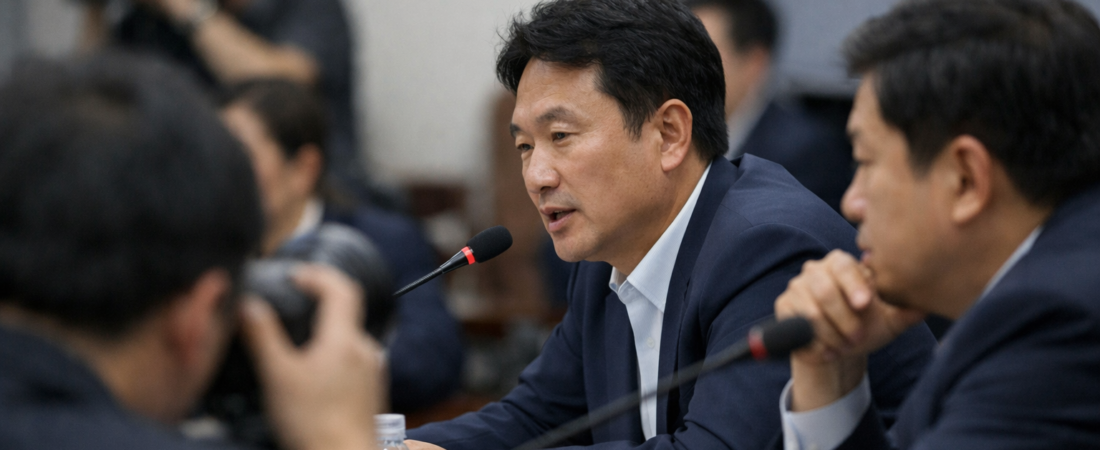
The election fraud dispute did not happen in isolation. The Democratic Party of Korea also criticized the People Power Party for resisting prosecutorial reform. This issue has been simmering in Korean politics for years now.
Prosecutorial reform means changing how much power prosecutors hold in Korea. Historically, prosecutors here have held enormous authority, sometimes acting like both investigator and judge. Many reformers argue this concentration of power invites abuse.
The Democratic Party of Korea has pushed hard for these reforms during recent years. Opposition from the People Power Party is nothing new, but the timing here feels connected. When one party questions election legitimacy while blocking institutional reform, critics see a pattern.
You might wonder: are these two issues really linked? The Democratic Party of Korea seems to think so. Both controversies, in their view, point to a resistance against transparency and accountability in Korean governance.
For readers unfamiliar with Korean legal history, prosecutorial power has been a hot topic since democratization in 1987. Reform efforts have moved slowly, facing pushback from entrenched interests each time. This latest clash adds another chapter to that long story.
Why This Matters for Korean Democracy
Step back for a moment. Why should anyone outside Korea care about this dispute? Because healthy democracy depends on shared trust in institutions, and Korea offers a case study in real time.
When political leaders spread unverified fraud claims, they risk normalizing distrust. The Democratic Party of Korea understands this risk clearly. Their public pushback against Jang Dong-hyuk reflects a broader effort to protect institutional credibility.
At the same time, the Democratic Party of Korea faces its own scrutiny. Critics ask whether reform pushes are genuinely about fairness or about consolidating political advantage. That tension exists in every democracy, not just Korea’s.
Readers following Korean politics can find detailed coverage through outlets like Yonhap News Agency, which regularly tracks these developments. Understanding this context helps you see Korea’s democracy as a living, evolving system. It is not static, and it is not without conflict.
Looking ahead, expect this debate to continue shaping National Assembly discussions. The Democratic Party of Korea will likely keep pressing on both election integrity and prosecutorial reform. These are not separate battles for them; they are two fronts in the same larger fight over institutional trust.
Korean democracy has matured significantly since 1987, but growing pains remain part of the process. Every democracy faces moments where rhetoric threatens to outpace responsibility. How this particular dispute resolves may signal where Korean politics heads next.
What do you think about the Democratic Party of Korea’s approach to defending electoral trust and pushing prosecutorial reform?
AI-Generated Photorealistic Image — All people, scenes, and details in this image are entirely AI-generated and fictional. Not a real photograph of an actual person or event. 이 이미지는 AI로 생성된 가상 이미지입니다.


Leave a Reply