Table of Contents
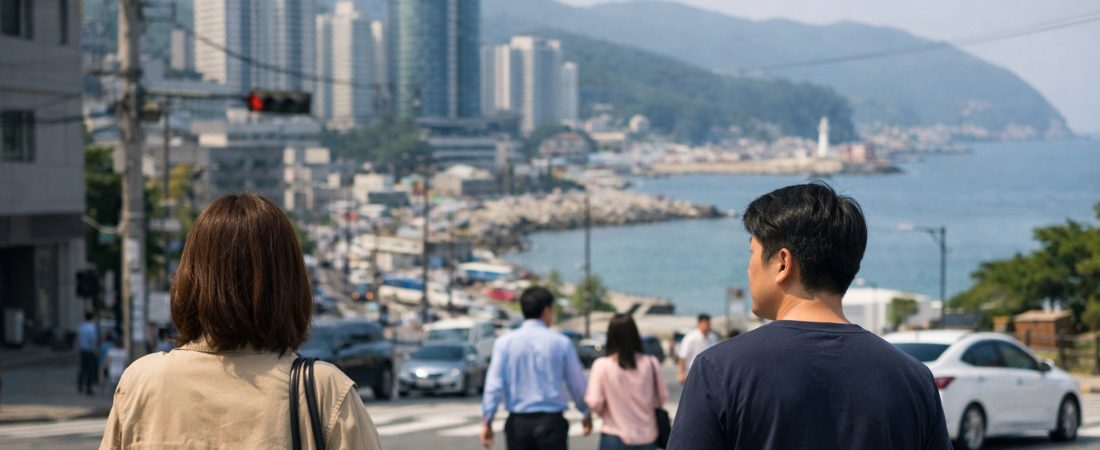
Have you ever noticed how the most dangerous spots at a beach are never the crowded ones? It’s the quiet breakwater. The unmarked river bend. The valley pool nobody officially watches.
Donghae City, on Korea’s east coast in Gangwon Province, just made these hidden dangers its top summer priority. As peak vacation season hits its stride, Donghae City is rolling out a full-scale safety sweep across every water spot tourists and residents love.
Donghae City Tackles Summer Safety Blind Spots
Donghae City isn’t just checking the popular, officially designated beaches this summer. It’s going further, into what officials call “safety blind spots.” Think unmarked coastlines, breakwaters, rivers, and mountain valleys where families often swim without lifeguards nearby.
Why does this matter so much right now? Because summer accidents rarely happen where people expect them.
They happen in the gaps — the places just outside official supervision. Donghae City’s approach recognizes this pattern directly, targeting every location where tourists and locals actually gather, not just the ones marked on a tourism map.
This isn’t a one-time inspection either. Donghae City officials describe it as an ongoing, expanding effort throughout the vacation season.
Patrols will increase. Checks will repeat. The goal is simple: close every gap before an accident happens, not after.
Why Korea’s Coastline Gets Risky Every Summer
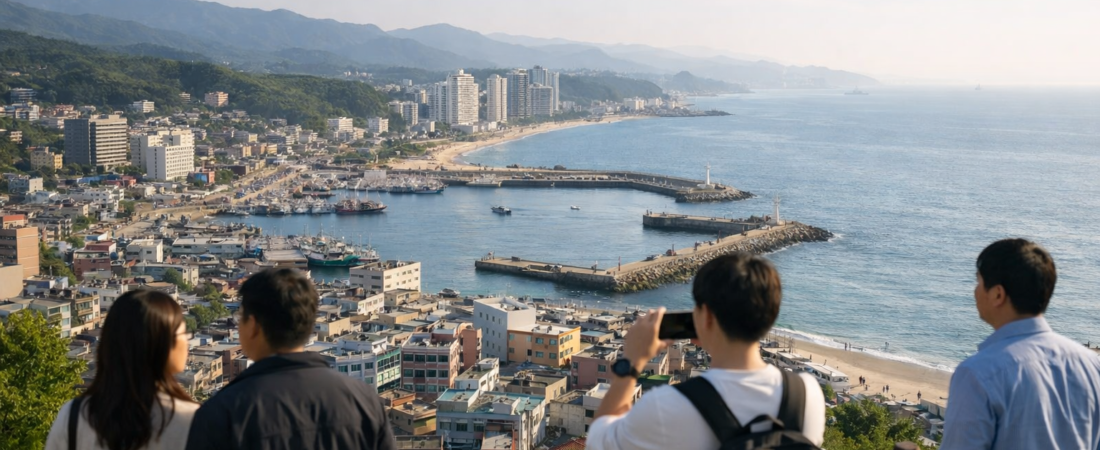
Korea’s summer heat pushes millions toward water every year. Rivers, valleys, and coastlines fill up fast once temperatures climb past 30 degrees Celsius.
Gangwon Province, home to Donghae City, is one of the country’s most visited summer destinations. Its coastline stretches along the East Sea, drawing beachgoers from Seoul and beyond every July and August.
But popularity brings pressure. More visitors means more strain on lifeguards, more crowded parking, and more people wandering beyond marked swimming zones.
Historically, Korea has faced a recurring challenge here. Designated beaches get plenty of safety staff and clear signage.
Non-designated spots — the quiet coves, the river bends locals know but tourists don’t — often get overlooked. Donghae City’s current push directly addresses this long-standing gap, treating it as a solvable problem rather than an inevitable risk.
This context matters for anyone planning a trip to Korea’s east coast this year. Understanding why certain areas need extra caution helps visitors make smarter choices.
It also shows why Donghae City’s broader safety strategy deserves attention beyond just local news. According to Yonhap News Agency, the city is treating this as a full public safety campaign, not a minor seasonal task.
Inside Donghae City’s All-Out Inspection Plan
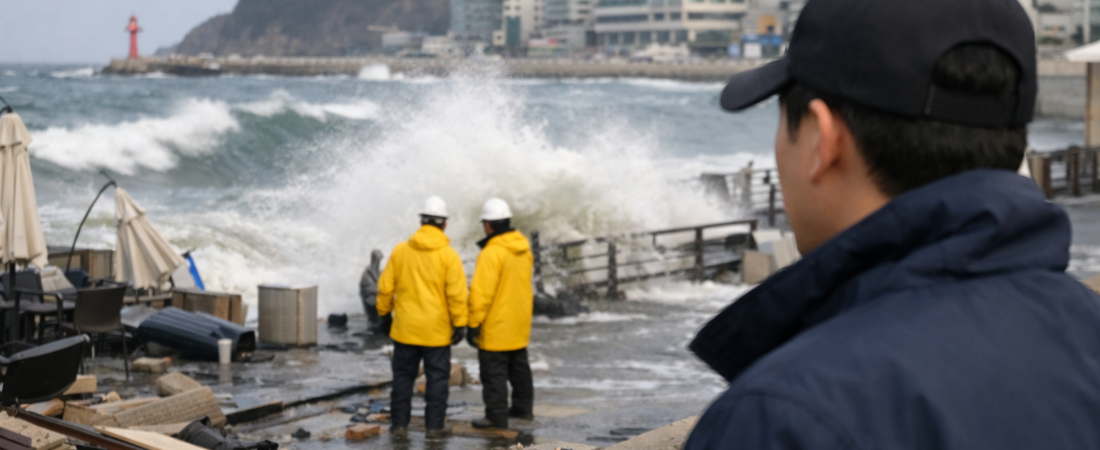
So what exactly is Donghae City doing on the ground? The plan centers on frequent, wide-reaching inspections across every water-adjacent site people actually use.
Officials are checking beaches, breakwaters, rivers, and valleys in a single coordinated sweep. That’s a broader net than most summer safety campaigns typically cast.
Field patrols form the backbone of this effort. Teams are physically visiting high-traffic spots, not just reviewing reports from an office.
Donghae City has committed to expanding these patrols as the vacation season peaks, meaning coverage grows exactly when risk grows too. Korean municipalities take beach safety seriously — this is not an understatement, given how many resources get poured into a single summer season.
The focus on “sagakjidae,” or blind spots, reflects a shift in thinking. Instead of only protecting official swimming zones, Donghae City is asking a harder question: where do accidents actually happen?
That question drives the entire inspection strategy. Breakwaters look calm but hide strong currents.
Valleys feel safe but can flood suddenly after rain upstream. Rivers seem shallow until they aren’t.
Donghae City’s plan treats each of these locations as equally deserving of attention, regardless of whether they appear on an official tourist brochure.
What Safer Beaches Mean for Visitors and the Future of Beach Safety
Why should any of this matter to you, even if you’re not planning a Korea trip this summer? Because it reflects something bigger about how communities handle shared risk.
Donghae City’s strategy shows a local government trying to see beyond the obvious. That’s worth noticing, wherever you live.
There’s something honest we need to admit here, though. No inspection system, however thorough, can fully replace personal caution.
People will still wander past warning signs. Currents will still surprise even careful swimmers. Donghae City’s patrols can close many gaps, but they can’t close every one, and pretending otherwise would be dishonest.
Yet this is exactly where hope lives too. The same community instinct that draws people toward unmarked coves and quiet valleys — that pull toward freedom, toward finding your own spot away from the crowd — is the same instinct local officials are learning to work with, not against.
Donghae City isn’t just adding more rules. It’s expanding where care actually reaches, meeting people closer to where they already choose to go.
That’s a quieter kind of progress, but it’s real progress. Communities don’t become safer only through stricter enforcement.
They become safer when systems adapt to how people actually behave, and when local officials keep showing up, season after season, in the places that used to get forgotten.
Looking ahead, Donghae City’s model offers a template other coastal cities could study. Expanding safety coverage to non-designated areas takes more effort than simply staffing official beaches.
But it also reaches the people most at risk — those swimming somewhere quiet, somewhere off the map. As summer tourism keeps growing across Gangwon Province, this kind of full-coverage thinking may become the new standard, not the exception.
What do you think — should more coastal cities follow Donghae City’s lead on covering safety blind spots, or is there a better way to protect vacationers at unmarked swimming spots?
AI-Generated Photorealistic Image — All people, scenes, and details in this image are entirely AI-generated and fictional. Not a real photograph of an actual person or event. 이 이미지는 AI로 생성된 가상 이미지입니다.


Leave a Reply